Protecting tender crops through cold snaps is easier with spun polyester row covers. These lightweight, breathable blankets trap heat, deter pests, and extend the growing season without smothering plants. Below is a curated selection of top-rated covers built for durability, light transmission, and easy customization. Each product is evaluated for size, weight, wind resistance, and suitability for a range of garden beds and crops.
Summary Table of Chosen Products (by key attributes):
| Product | Size | Weight | Material | Key Benefit |
|---|---|---|---|---|
| SUNPRO Plant Covers | 10ft x 30ft | 1.0 oz/yd² | Non-woven polypropylene | Wide coverage; good light transmission |
| FARAER Plant Covers | 8ft x 24ft | 1 oz/yd² | Polypropylene | All-season protection; easy to cut |
| YDSL Plant Covers | 10 ft x 33 ft | 1.06 oz/yd² | Non-woven fabric | Ultra-fine mesh; easy irrigation |
| Enrichovo Plant Covers | 10 ft x 50 ft | 1.1 oz/yd² | Breathable non-woven fabric | Thicker protection; frost and snow shielding |
SUNPRO Large Freeze Protection Row Cover
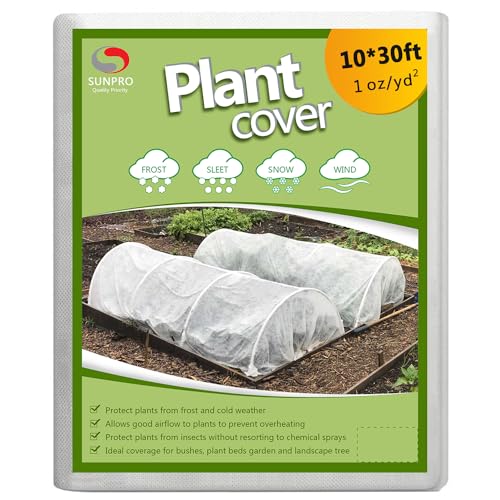
The SUNPRO row cover provides a substantial 10ft by 30ft footprint, supporting up to 300 square feet of garden area. Made from a lightweight 1.0 oz/yd² non-woven polypropylene, it balances warmth with sun transmission, delivering 70%–85% light while maintaining airflow. This makes it suitable as a frost cloth for outdoor plants, with a price-friendly blend of durability and flexibility. It can be trimmed to fit beds or individual rows without compressing blossoms, and it also serves as a windbreak against harsh weather.
Key uses include protecting strawberries, herbs, perennials, citrus, and young transplants. The cover is designed for multi-season use, acting as a thermal barrier against frost and light rain, while keeping pests at bay. As with lighter fabrics, monitoring needs may vary with local conditions and plant sensitivity.
FARAER Floating Row Cover, 8Ft x 24Ft
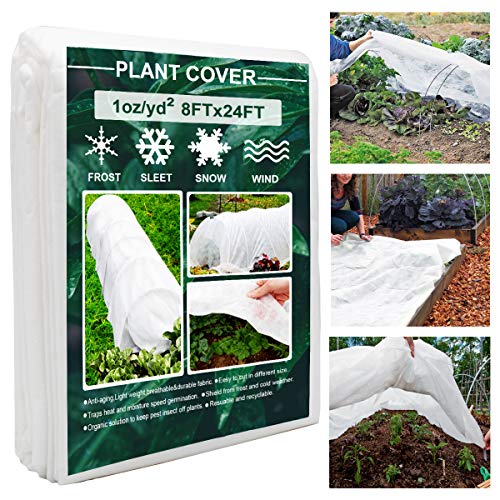
The FARAER row cover is a versatile 8ft by 24ft sheet crafted from 1 oz fabric designed to transmit about 70% of available light. It forms a reliable windbreak for young transplants while allowing rainfall and overhead irrigation to reach soil and plants. The fabric can be cut to fit standard rows and is robust enough to extend a growing season into early spring or late fall. It’s positioned as an all-purpose solution that balances warmth, light, and protection against frost, birds, and pests.
YDSL Floating Row Cover, 10 x 33 Ft

The YDSL cover employs an ultra-fine mesh designed to protect plants from weather and pests while preserving light and water access. The 10 ft by 33 ft size provides ample room for larger beds, and the 1.06 oz/yd² fabric is durable enough for repeated seasons. It’s suitable for gardeners who irrigate through the cover and want straightforward installation and storage. The breathable composition helps maintain a favorable microclimate for vegetables and flowers alike.
Enrichovo Row Covers, 10 Ft x 50 Ft
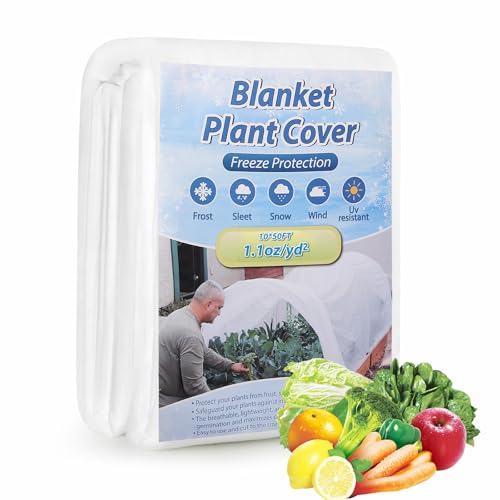
Enrichovo offers a thicker option at 1.1 oz/yd², delivering robust frost and snow protection across large garden areas. With a 10×50 footprint, it’s ideal for longer rows and wider planting beds. The fabric remains breathable to support air exchange and moisture movement, while its density adds resilience against heavy frost, wind, and animal interference. The cover can be cut to size and stored when not in use, making it a practical choice for year-round gardeners seeking reliable insulation without heavy investment.
Wohohoho 10ft x 33ft Plant Cover

The Wohohoho row cover is a 1.1 oz/yd² fabric designed to protect against frost down to approximately -5 to -6°C. Its six-size selection accommodates a range of garden layouts, from small beds to larger patches. The transparent material permits about 75% sunlight, supporting photosynthesis while providing a UV-stabilized, reusable option. This cover also serves as a barrier against birds and pests, with a focus on sustaining plant growth through cold periods and early-season germination.
Buying Guide: Key Purchase Considerations For Spun Polyester Row Covers
- Weight and thickness: Lighter fabrics (0.7–1.0 oz/yd²) provide ample light transmission but may require more frequent replacement in windy locations. Heavier fabrics (1.1–1.5 oz/yd²) offer stronger frost protection but can reduce light slightly; balance with crop needs.
- Light transmission: Most polymers used in these covers aim to pass 70%–85% of sunlight. Choose higher transmission for leafy greens and early-spring crops that rely on steady light.
- Breathability and moisture movement: Breathable materials prevent humidity buildup and reduce the risk of fungal issues. Ensure the cover allows rainfall and overhead irrigation access when needed.
- Size and fit: Measure bed lengths and consider the ability to cut covers to shape rows or raised beds. A larger sheet can be trimmed for precise coverage, while extra length can be tucked under soil edges for security.
- Durability and reuse: Look for non-woven polypropylene or similar fabrics designed for multiple seasons. UV stabilization extends usable life, particularly in sunny regions.
- Protection scope: Some covers emphasize frost protection only, others also deter pests and birds. Determine whether you need full pest protection or primarily frost risk mitigation.
- Installation and storage: Check whether accessories like ground stakes are recommended or sold separately. Foldable, lightweight fabrics save space and simplify seasonal storage.
- Irrigation compatibility: If you rely on overhead watering, verify that the fabric permits irrigation without removal, or plan for manual watering alongside the cover.
- Maintenance: Look for washable, stain-resistant fabrics that resist tearing from wind or handling. Clear guidance on cleaning and storage helps extend service life.
Choosing the right spun polyester row cover involves aligning your climate, crop types, and bed dimensions with fabric weight, light transmission, and durability. For frost-prone regions, thicker covers with UV stabilization provide reliable protection, while lighter options work well for early-season crops in milder areas. Consider how often you’ll need to cut, reposition, or remove the cover, and how it will interact with irrigation and pest control strategies. By assessing these factors, you can select a cover that balances warmth, light, and airflow to optimize plant health across multiple seasons.