Finding the right sod plugger tool for zoysia grass can simplify lawn repairs, patching bare spots, and establishing new turf. Below are five top-rated plugger tools designed to dig clean planting holes, eject soil with ease, and reduce bending or hand fatigue. Each option suits homeowners and landscapers who want an efficient, standing-work solution for zoysia and similar grasses.
| Product | Brand | Key Benefit |
|---|---|---|
| ProPlugger 5-in-1 Planting Tool | ProPlugger | Allows standing planting, stores soil, depth rings for consistent holes |
| Dolibest Sod Plugger Tool (Dual Pedals) | Dolibest | Foot ejector, ergonomic handle, works with various turf types |
| Colwelt Sod Plugger Tool 36-Inch | Colwelt | Long handle, dual pedals, easy foot ejector with serrated base |
| Yard Butler ISP-33 Sod Plugger | Yard Butler | Ergonomic design, 3″ x 3″ plugs, ejector button |
| BeneLabel Garden Grass Plugger Tool | BeneLabel | Long handle, middle pedal ejector, multipurpose planting tool |
Each product below is evaluated for its suitability with zoysia, ease of use, and overall value. The sections combine objective feature highlights with practical considerations for storage, transport, and patio-to-lawn workflows.
ProPlugger 5-in-1 Planting Tool
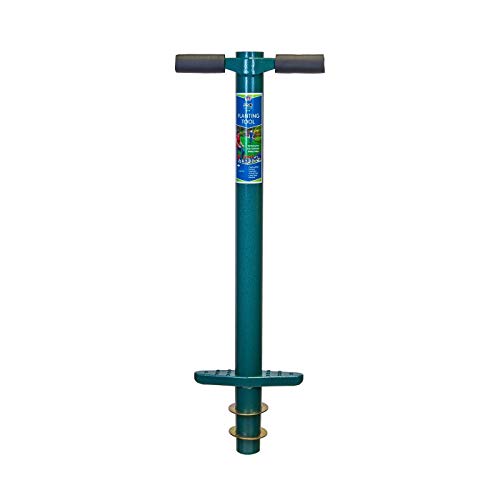
The ProPlugger 5-in-1 combines multiple functions into a single tool, making it a practical choice for zoysia lawn repair. It digs 2-1/8” diameter planting holes quickly, enabling consistent spacing as you work from a standing position. A built-in soil reservoir stores excavated soil, which can be emptied by turning the tool upside down. Depth rings provide repeatable hole depths of 2″, 4″, or 6″ without shifting tools. The design supports planting bulbs, annuals, ground covers, and vegetables, and doubles as a weeding and soil-sampling instrument.
Performance notes: Ideal for moist, rock-free soil. It’s not recommended for St. Augustine grass and should be used with care in overly dry or oversaturated conditions. The tool’s compact footprint and standing work posture reduce back strain, and the 2″-4″-6″ depth guidance helps with uniform plug spacing when repairing zoysia patches. For homeowners seeking a versatile, all-purpose plugger, this is a strong contender.
Dolibest Sod Plugger Tool (Dual Pedals)

This Dolibest model emphasizes efficiency with dual pedals and a central foot ejector. The plugger is designed to handle various turf types, including zoysia and Bermuda, making it versatile for mixed lawns or patching projects. The soft-grip handle is intended to minimize fatigue during longer sessions, while the long handle reduces bending. The tool supports quick digging and soil plug removal, contributing to faster turf repairs and smoother transplanting workflows.
Strengths include a straightforward eject mechanism and a comfortable grip, which can be beneficial for homeowners addressing several yard spots. Buyers should note the tool’s weight and balance, ensuring it matches user height and the typical soil consistency of their yard. For those prioritizing reduced bending and reduced soil contact, this model offers clear advantages.
Dolibest Sod Plugger, Upgrade Version

This upgrade focuses on an easy foot-operated soil ejection system and a longer handle to reduce bending. The soft rubber grip minimizes fatigue and blisters during extended use. It’s positioned as a solid choice for lawn repairs and turf transplanting, including zoysia and other warm-season grasses. The combination of serrated base and pedal-assisted removal supports efficient digging and plug removal, particularly in patching standard lawn areas or extending new turf.
Practical considerations: Always assess soil moisture and texture before use. The long handle helps with posture, but storage space and balance should fit your shed or garage setup. If you expect frequent use across multiple turf zones, this model offers dependable ergonomics and a straightforward maintenance profile.
Colwelt 36-Inch Sod Plugger Tool

The Colwelt plugger features a 36-inch long handle with dual pedals and a serrated base. Its foot ejector mechanism quickly releases soil plugs, reducing the need for bending and saving time during lawn repair work. The tool’s robust carbon steel construction with anti-rust coating adds durability for seasonal use on warm-season grasses like zoysia. The ergonomic design aims to balance power and control, making fast work of digging, transplanting, or repairing turf.
Consider this model if you expect to work extensively from a standing position and desire a longer tool for reach. The serrated base enhances soil penetration, helping to cut through compacted turf. As with all long-handled tools, ensure you have adequate storage space and a clear workspace to avoid accidental contact with nearby plants or structures.
Yard Butler ISP-33 Sod Plugger

The Yard Butler plugger emphasizes an ergonomic approach for transplanting sod plugs. It cuts 3″ x 3″ plugs, a standard size matching many zoysia repairs. The design includes an easy ejector button, allowing plug removal without bending. This model targets homeowners seeking dependable performance with straightforward operation for lawn care and turf repairs.
Strengths include good plug size compatibility with common zoysia patches and a simple ejection action. If you prefer a compact tool with a focus on ease of use, this option is worth consideration. Users should evaluate their typical patch size and whether a 3″ x 3″ plug fits their repair strategy best.
BeneLabel Garden Grass Plugger Tool

The BeneLabel plugger emphasizes multipurpose use, functioning as a long bulb planter and a hole digger for transplanting seeds, flowers, and vegetables. It features a middle pedal for foot-operated soil ejector, enabling continuous digging without switching hands. The setup is designed for quick assembly and efficient plug extraction, which can help with steady zoysia maintenance and lawn repairs across multiple sites.
Consider its versatility if you need a single tool for diverse yard tasks beyond grass plugs. The middle-pedal ejector design is convenient for users who frequently move from digging to planting in a tight sequence. Storage practicality and weight are important factors to assess for frequent use across the season.
Buying Guide: Zoysia Grass Plugger Tool Considerations
- Digging mechanism: Choose models with foot pedals or ejector buttons to reduce bending. Ejection systems speed up workflow but ensure reliable release to avoid soil sticking.
- Handle length and ergonomics: Longer handles lessen back strain, especially when patching large areas. Look for non-slip grips and balanced weight distribution for comfortable, repeated use.
- Hole size and depth: For zoysia, a 2″–3″ diameter hole at 2″–6″ depth is common. Tools with depth rings or adjustable depth help maintain consistent planting depth across the lawn.
- Material and durability: Carbon steel with anti-rust coatings provides long-term durability in varying weather. Soft grips reduce fatigue during extended sessions.
- Soil compatibility: Moist, loamy soils are easier to work with than rocky or heavy clay soils. Consider tools that perform well in your typical yard soil conditions.
- Maintenance: Clean tools after use to prevent rust and keep the serrated base effective. Inspect pedals and ejectors for wear and replace parts as needed.
- Versatility: Some pluggers double as bulb planters and transplanting tools. If you need one tool for multiple tasks, prioritize models labeled as multipurpose.
When selecting a zoysia plugger tool, align the product’s strengths with your yard’s patch size, soil consistency, and preferred digging posture. For best results, prepare the soil by ensuring moisture is appropriate and remove rocks or roots from target planting areas. Compare features such as hole depth, plug size, and ejector reliability to identify the option that best fits your lawn repair or expansion plan.