Growing fresh microgreens at home is easier than ever with compact, soil-free systems designed for countertops. This guide highlights five standout microgreen growing kits that fit small spaces, simplify maintenance, and deliver harvest-ready greens in days. Each option leverages hydroponic or soil-free methods to minimize mess while maximizing flavor and nutrition. Read on to compare capabilities, setup, and what each kit excels at—whether you’re a novice or a seasoned indoor gardener.
| Product | |||
|---|---|---|---|
| Self-Watering Microgreens Growing Kit – Easiest Way to Grow Fresh Microgreens at Home | Soilless Kit | No soil, no mess; easy harvest in 7–10 days | Low, on-counter |
| 4-Tier Seed Sprouting Kit with Drain Holes | Stackable Tray System | Efficient vertical growth for multiple harvests | Medium, modular |
| Legigo 10 Pack Green Seed Sprouter Trays | Soil-Free Sprouter Trays | Large capacity, easy to watch progress | Medium |
| Misting Hydroponic Growing System Kit 15-Pods | Hydroponic Garden | Automated misting and large pod count | Medium to high |
| Back to The Roots Organic Microgreens Grow Kit | Soil-Free with Ceramic Planter | Organic seeds with expansion options | Low to medium |
Self-Watering Microgreens Kit From ZestiGreens

This kit emphasizes a soil-free approach with a reusable 12″ by 6″ tray and bamboo surround, plus hydroponic insert and blackout lid. It includes two hemp grow mats and seed packs for Red Garnet Amaranth and a Superfood Mix (Broccoli, Kale, Kohlrabi, Arugula & Cabbage). A 16-page illustrated grow guide guides users from seed to harvest in 7–10 days. The system also allows removing the hydroponic insert to switch to soil if desired, broadening crop options beyond microgreens.
Key features support a simple, tidy setup: no soil, minimal mess, and a compact footprint. The kit is designed for kitchen-counter growth and aims for quick turnover, making it a practical entry point for beginners who want weekly harvests without daily maintenance.
4-Tier Seed Sprouting Kit With Drain Holes

This stackable sprouting system focuses on efficient drainage and ventilation. The corrugated design minimizes seed movement, while drainage holes funnel excess water to a bottom tray, creating a stable environment for quick germination. Its vertical configuration saves space and allows reverse stacking when not in use. With multiple tiers, it supports several simultaneous microgreen crops or beans, making it suitable for households that want to maximize harvest without expanding footprint.
Ease of use is a strong point: no soil is required, only water, and the tray set is designed for straightforward cleaning and maintenance. The kit is ideal for gardeners who want a modular system that scales up as interest grows, while keeping a tidy, compact setup in kitchens or pantries.
Legigo 10 Pack Green Seed Sprouter Trays

Legigo offers a set of 10 sprouter trays with planting paper, designed for indoors or outdoors. Each set includes an inner tray and bottom tray, delivering a combined size of about 13.07 by 9.85 by 1.46 inches. This large capacity supports faster, soil-free seed germination, and the product emphasizes food-grade PP material for safety and durability. A transparent lid helps monitor progress, while the concave-convex design makes removing the inner mesh tray simple, ensuring good airflow for germination.
These trays cater to users seeking a budget-friendly, scalable solution. The design supports easy cleaning and storage, with a focus on visibility of growth and straightforward watering—all without soil. It’s well-suited for households that want to experiment with multiple microgreen varieties or expand into sprouts.
Misting Hydroponic Growing System Kit 15-Pods
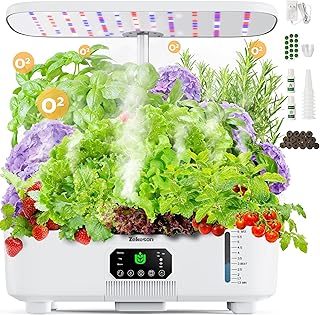
This system features an LCD touch panel and a large 6-liter tank to minimize refills. It uses a misting mechanism designed to replicate a natural root environment with high dissolved oxygen and nutrient availability. The kit includes 15 pods for a sizeable harvest and aims for rapid growth with reduced manual care. While seeds are not included, the unit positions itself as a compact, automated option for busy households where garden-friendly greens are desired year-round.
Key considerations include energy efficiency, quiet operation, and the need to source compatible seeds and nutrients. The 15-pod capacity supports multiple crops without replanting frequently, making it a strong choice for cooks who want consistent, fresh greens and herbs with minimal upkeep.
Back to The Roots Organic Microgreens Grow Kit

This kit combines an expandable soil-free approach with a ceramic planter and organic seeds. The rectangular planter sits on a tabletop, designed for easy placement in kitchens or living spaces. The Grow Kit focuses on organic seed quality and a simple growth workflow, enabling users to harvest fresh microgreens in a short timeframe. The ceramic planter offers an aesthetic that blends with home decor while supporting a clean growing environment.
Performance considerations include soil-free versatility, seed quality, and how easily the system expands with additional seed packs or lids. This option appeals to users who prefer a traditional planter look while still enjoying the benefits of indoor microgreen cultivation.
Buying Guide: Key Purchase Considerations And Comparisons
Space and layout: Vertical or stackable systems save countertop real estate. If you have a tight kitchen, a compact, multi-tier design can maximize harvests without crowding the area. For larger counters, a single, larger tray setup may be preferable for simplicity.
Growing method: Soil-free kits reduce mess and cleaning, while some users may value soil-based options for certain large-seed greens. Hydroponic misting can speed germination and growth, but may require a more specific nutrient plan and regular maintenance of tanks and pumps.
Maintenance and ease of use: Systems with minimal setup, included seed packs, and illustrated guides tend to appeal to beginners. Look for reusable components, easy-to-clean trays, and clear instructions to shorten the learning curve and ensure consistent results.
Harvest speed and variety: If weekly harvests are a goal, choose kits that advertise 7–14 day cycles and include a range of microgreens like broccoli, kale, amaranth, arugula, and herbs. Check if the system allows swapping inserts or using soil to broaden crop options.
Safety and materials: Prioritize food-grade materials and BPA-free plastics. Transparent lids or covers aid monitoring without disturbing the environment. Durable trays and lids support long-term use and multiple growing cycles.
Cost and scalability: Consider initial kit cost, seed pack availability, and whether the system can scale with your interest. Modular designs and stackable trays can be expanded progressively, reducing upfront investment while expanding harvest capacity over time.
Care for the environment: Reusable components and the potential to switch between soil and hydroponic methods reduce waste and offer flexibility for different growing preferences and seasons.
In summary, the best microgreen growing system depends on space, desired maintenance level, and planned harvest variety. Beginners may prefer simple, soil-free kits with clear guides, while experienced gardeners might opt for modular, scalable systems that support larger or multiple crops. Consider your kitchen layout, how hands-on you want to be, and whether you value automated features or a straightforward, do-it-yourself approach.