Discover the best apple tree options that pair with the classic Grimes Golden variety, offering honeyed sweetness, crisp textures, and reliable yields. This guide highlights five suitable trees, their growing requirements, and how they fit into home orchards and edible landscapes across zones 4–9. Each selection emphasizes cold-hardiness, disease resistance, and pollination considerations to help you plan a bountiful harvest season.
| Product | Type | Key Benefit | Best For |
|---|---|---|---|
| American Plant Exchange Apple Tree “Grimes Golden” | Live Fruit-Bearing Tree | Historical heirloom sweetness, reliable mid-late harvest | Home orchards, backyards |
| Golden Delicious Apple Tree (DAS Farms) | Live Plant | Classic market favorite, easy to grow in full sun | Orchards, edible landscapes |
| Perfect Plants Golden Delicious Apple Tree | Live Fruit Tree | Self-fertile, grafted for quality fruit | Home gardens |
| Golden Dorsett Apple Fruit Tree | Nursery Pot | Golden-yellow fruit, compact columnar form | Small spaces |
| GURNEY’S Golden Delicious Dormant Bare Root | Bare Root Tree | Ready-to-plant dormancy, space guidance | Seasonal plantings |
American Plant Exchange Grimes Golden Apple Tree

Live fruit-bearing tree designed for home orchards and edible landscapes. Grimes Golden apples are known for their rich, honeyed sweetness and crisp texture, ideal for fresh eating, baking, and cider. The tree is suited for USDA hardiness zones 4–9, thriving in full sun and well-drained soil. It is a vigorous, disease-resistant grower offering medium to large golden apples in mid to late fall, with reliable annual harvests.
Golden Delicious Apple Tree – DAS Farms

Grow a classic Golden Delicious variety with a dependable fruit set. This tree is best planted in the ground (not in containers) and ships as full-grown plant pictures reflect. It thrives in zones 4–8 with full sun, and apples typically require cross-pollination. Plan for pollinators and pair with another compatible apple variety nearby for best fruit production.
Perfect Plants Golden Delicious Apple Tree 1 Gallon

This one-gallon, self-fertile Golden Delicious tree is grafted for high-quality fruit and is easy to grow in home gardens. It tolerates heat and drought better than some varieties and requires full sun for fruit production. Zones 4–8 align with typical home orchard climates, and the tree is marketed for reliable fruiting without seed propagation.
Golden Dorsett Apple Fruit Tree

A compact, golden-yellow apple tree suited for smaller spaces, bearing sweet, crisp fruit. It is described as well-drained, loamy soil compatible with a slightly acidic to neutral pH. Note the shipping restrictions to certain states due to agricultural laws, which may affect availability depending on location.
Generic Golden Sentinel Columnar Apple Tree

This columnar Apple Tree offers a compact, tall, narrow growth habit with a substantial yield of yellow fruit. It is shipped in a #5 trade gallon pot, typically reaching about 8 feet tall with a 2-foot width. It is suitable for small yards or container-friendly spaces, but verify zoning and shipping restrictions before purchase.
American Plant Exchange Ginger Gold Apple Tree
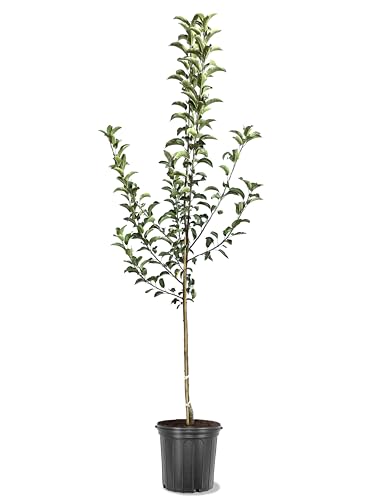
Ginger Gold is an early-ripening, crisp golden apple variety. It is described as early-ripening with a crisp sweet flavor, suitable for zones 4–8, and thrives in full sun with well-drained soil. Blooms mid-to-late spring with fragrant flowers, supporting a healthy garden ecosystem by attracting pollinators.
Buying Guide: Key Considerations For Grimes Golden And Golden Apple Trees
- Climate and hardiness: Match varieties to your USDA zone (4–9 is common for many of these varieties). Cold hardiness helps survival over winter and affects fruit quality.
- Pollination: Some apples require cross-pollination to set fruit. Plan a compatible partner tree nearby to maximize yields.
- Sunlight and soil: Full sun (at least 6–8 hours) promotes fruit set and sweetness. Ensure well-drained soil to prevent root rot and disease.
- Growth habit and space: Consider tree size and form (standard, dwarf, columnar) to fit your yard or container setup. Columnar trees suit tight spaces, while standard trees need room to spread.
- Maintenance: Look for disease resistance and low-maintenance cultivars when possible. Some varieties may be more susceptible to common apple diseases and may require monitoring.
- Pollinators and flowering window: Varieties that bloom at similar times increase cross-pollination success. Early-ripening varieties can widen your harvest window when paired with later-ripening types.
- Fruit quality and use: Grimes Golden offers honeyed sweetness and crisp texture; Golden Delicious lines emphasize versatility for fresh eating, baking, and cider making. Consider your preferred fruit use when choosing.
In selecting Grimes Golden-related trees, the focus is on varieties that complement the classic Grimes Golden profile—sweetness, crispness, and reliable harvests—while fitting the garden’s space, climate, and pollination requirements. This guide presents alternatives with strong performance in American home gardens and edible landscapes, providing options for different space, care levels, and harvest goals.
Notes on Selection and Planting
When choosing among these options, verify availability and current shipping restrictions to your state, as some varieties have agricultural limits. Prepare a suitable planting site with well-drained soil and amend as needed to support root establishment. A balanced fertilizer schedule and mulch layer help maintain moisture and weed control, supporting steady growth through the growing season.
Pollination Planning
Plan for cross-pollination by pairing varieties with overlapping bloom times. If you plant a Grimes Golden or Ginger Gold, adding a compatible partner like Golden Delicious can improve fruit set. In small spaces, consider a columnar or compact tree to maximize cross-pollination opportunities within limited acreage.
This article presents a practical, objective overview of the best-grimes-golden related apple trees for American gardeners, with emphasis on reliability, yield, and landscape fit. It offers balanced guidance across diverse climates, space constraints, and grower preferences, helping readers make informed planting decisions.