Rosa rugosa, commonly known as rugosa or Japanese rose, thrives as a hardy, low-maintenance shrub with fragrant blooms and bright hips. This guide highlights five bare-root or seed options to help American gardeners choose robust, coastal- and cold-hardy varieties. Each pick features details on fragrance, foliage, growing conditions, and ornamental value to support informed planting decisions.
| Product | Brand | Type | Notes |
|---|---|---|---|
| Rosa Rugosa (Sand Rose, Hedgehog Rose, Wrinkled Rose, Rugosa Rose, Japanese Rose, Ramanas Rose) Shrub Seeds | MySeeds.Co Store | Seeds | Fragrant flowers; wrinkled foliage; versatile height 3–8 ft |
| Rugosa Rose Shrub (Japanese Rose Bush) 18-24″ Live Plant | Live Plant | Low maintenance; fragrant; blooms late spring–early fall | |
| Red Rugosa Rose Bush Seeds for Planting (50 Seeds) | CZ Grain Store | Seeds | Bright red blooms; 50 seeds |
| Rosa Rugosa | Suzanne Verrier / Charles Steinhacker | Book | Photographic and botanical reference |
| Palm Beach Medicinal Herbs – Japanese Rose (Rosa Rugosa rubra) Seeds | Palm Beach Medicinal Herbs Store | Seeds | Fragrant deep-magenta blooms; coastal-tolerant |
Rosa Rugosa Bare-Root Seed Collection

This seed bundle captures the classic Rugosa rose with fragrant, five-petaled blossoms that appear in white, pink, and purple hues. The wrinkled, dark green foliage adds texture, while the plant adapts to sandy or gravelly soils. It is highly resistant to salt spray and cold climates, making it ideal for coastal gardens and cold regions. In fall and winter, the shrub produces large hips that provide visual interest and food for wildlife. Plants typically reach a height of 3 to 8 feet, offering flexible landscape applications.
Rugosa Rose Shrub (Japanese Rose) 18-24″ Bare-Root Plant

This 18–24 inch Rugosa Rose is shipped as a bare-root plant, offering continuous blooms from late spring to early fall. It thrives with minimal pruning and shows resilience across a variety of soils. The cultivar is celebrated for its fragrance and reliability, making it a practical choice for borders, hedges, and cottage-style gardens that require straightforward maintenance and year-round appeal.
Red Rugosa Rose Bush Seeds for Planting

These seeds offer Rosa rugosa rubra variants with potential for vivid red blooms. Seed selection supports seed-based propagation, enabling gardeners to grow new shrubs from seed. Soil should be well-drained and sunny. Seed packets often include germination instructions to maximize success and establish a robust root system for long-term vigor and attract pollinators during summer.
Rosa Rugosa Book By Verrier & Steinhacker
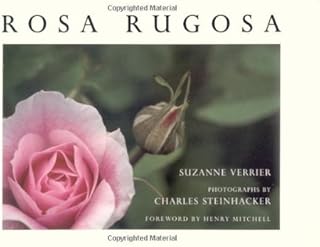
This reference volume documents Rosa rugosa varieties with photographic guidance and cultivation notes. It serves as an informational resource for gardeners seeking in-depth knowledge about rugosa cultivars, pruning approaches, and habitat recommendations. The book format supports landscape planning and species identification for more informed planting decisions in American gardens.
Palm Beach Medicinal Herbs Japanese Rose Seeds

Part of a coastal-friendly seeds line, these Rosa rugosa rubra seeds emphasize ornamental value and fragrance. The package notes cold tolerance and salt tolerance, with recommended planting in zones 2–7 under full sun. Included growing instructions guide germination and cultivation, supporting confident establishment of rugosa shrubs that tolerate windy sites and challenging soils.
Buying Guide: Key Considerations For Choosing Bare Root Rosa Rugosa
- Climate suitability: Rugosa roses are notably cold-hardy and salt-tolerant, making them well-suited for coastal and northern zones. Match the cultivar to your USDA zone and winter protection needs.
- Propagation method: Seeds can require stratification and longer germination times, while bare-root plants establish quickly but may need careful initial watering and protection from heat. Consider your timeline and maintenance preferences.
- Soil and drainage: Most rugosa varieties prefer well-drained soil and full sun. Sandy or gravelly substrates are generally favorable, particularly for coastal sites.
- Fragrance and bloom style: Rugosa roses offer strong fragrance and single or semi-double blooms. Choose varieties based on bloom color, flowering period, and whether you want dense hedges or informally spaced shrubs.
- Foliage and texture: The distinctive wrinkled leaves add visual interest year-round. Consider the contrast of rugosa foliage with other garden plants when planning borders or hedges.
- Wildlife value: Once established, rugosa hips provide food for birds in fall and winter, contributing to local wildlife support.
- Maintenance: Rugosa roses generally require minimal pruning, though periodic shaping helps maintain size and airflow. Mulching and watering during establishment boosts survival rates.
- Ornamental versatility: Height ranges from compact to tall (roughly 3–8 feet), enabling use as borders, mass plantings, or focal points within mixed borders.