Foam Flower (Tiarella cordifolia) brings lacy foliage and delicate white or pink-tinged blooms to shade gardens. This guide highlights five reliable varieties and a bare-root option to help you plan a low-maintenance, eye-catching woodland bed. Each selection is suited for cool climates and thrives in partial to full shade with consistent moisture. Below you’ll find quick-reference product details and practical tips for choosing the best foam flower for your landscape.
| Product | Container Size | Key Benefit | USDA Suitability |
|---|---|---|---|
| Foam Flower – Tiarella Cordifolia Bare Root | Bare Root | Fluffy foam-like bloom clusters; lightweight for shipping | Zones 4-8 (implied) |
| Elizabeth Oliver Foamflower (Tiarella Cordifolia) | #1 Container | Native groundcover; strong shade performance | Zones 4-8 |
| Tiarella cordifolia (Foamflower) — Green Promise Farms | #1 Container | Hardy, ready-to-plant; pure evergreen foliage in some seasons | Zones 3-8 |
| Brandywine Foamflower — Perennial Farm Marketplace | #1 Container | White flowers; burgundy leaf veination | Zones 5-9 |
| Oakleaf Foamflower — Perennial Farm Marketplace | #1 Container | Pink flowers; lobed, oak-like leaves | Zones 4-8 |
Whether you’re designing a woodland garden, a shady border, or a groundcover under trees, foam flowers bring texture and charm without demanding intense care. The selections below emphasize dependable shade tolerance, native appeal, and consistent bloom in cool climates. Each product is summarized with its standout traits and practical planting notes to help you compare quickly.
Foam Flower Bare Root: A Lightweight Starter

The Bare Root Foam Flower presents a simple way to start a foam-flowered bed without soil weight during shipping. Dormant and leafless at purchase, the plant will awaken in spring with the familiar foam-like bloom clusters. It belongs to the Saxifragaceae family and offers delicate foliage that complements deciduous shade gardens. Bare-root plants are typically easier to transport and store, but require careful handling to avoid desiccation before planting.
Key notes include: dormancy upon arrival, no leaves at shipping, and a spring regrowth cycle. This option is ideal for budget-minded gardeners who want to establish a foam-flower border gradually. Expect a quiet, woodland aesthetic as growth resumes with cool-season vigor. Planting depth and spacing should align with typical Tiarella guidelines for best results in partial shade.
Elizabeth Oliver Foamflower: Elegant Groundcover

Elizabeth Oliver is a sturdy native cultivar noted for its vigorous growth in woodland or shade gardens. This plant is suited for zones 4-8 and can function as a low-groundcover. It features deeply lobed leaves with green coloration and burgundy veination that becomes more pronounced in cooler weather. In spring, light pink flowers brighten the landscape, typically appearing in April and May. It’s a strong option for shade, with dense foliage for weed suppression and seasonal interest.
Practical considerations include geographic shipping restrictions in some states due to regulations. Space plants about 18 inches apart to encourage groundcover formation. This cultivar’s evergreen foliage in some conditions adds year-round texture while blooms provide seasonal highlight in late spring.
Tiarella Cordifolia By Green Promise Farms
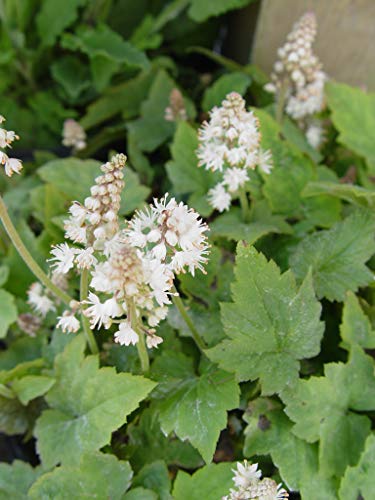
This Green Promise Farms selection emphasizes easy establishment with a #1 container. It tolerates USDA zones 3-8 and arrives with fully rooted, transplant-ready growth. The plant’s evergreen foliage provides year-round structure, while clusters of white flowers brighten the spring understory. For best performance, plant in moist shade—ideally in a site that receives morning sun and consistent moisture throughout the growing season. The cultivar’s origin from the United States aligns with garden-native aesthetics and reliable performance in temperate zones.
Care considerations include proper spacing to avoid crowding and regular moisture during the first growing season. Mulching helps retain soil moisture and keeps roots cool. This option appeals to gardeners seeking a dependable, native-friendly foamflower that integrates well with ferns, hostas, and shade-loving perennials.
Brandywine Foamflower: White Blooms, Dark Veining

Brandywine is a native-style Tiarella that produces white blooms on short spikes and features slightly burgundy veination on the leaves. Hardy in zones 5-9, this cultivar prefers full shade to partial sun. It forms a spreading ground cover and is particularly useful for dark-green evergreen leaf texture in spring. Spacing recommendations suggest planting about 18 inches apart to allow the clumps to fill in without overcrowding nearby plants. The plant’s compact stature and spring bloom make it an excellent understory choice under trees or along woodland borders.
As a native cultivar, Brandywine contributes to local biodiversity by attracting pollinators and supporting beneficial insects in shaded habitats. Its relatively forgiving maintenance profile suits a low-intervention garden plan, especially in regions with cooler springs and moderate summers.
Oakleaf Foamflower: Pink Blooms, Oaklike Leaves

Oakleaf Foamflower stands out with its oakleaf-shaped, deeply lobed leaves and pinkish blooms. Hardy in zones 4-8, it thrives in full shade to partial sun and tolerates woodland conditions well. The plant forms dense clumps and delivers visual interest through late spring into early summer. Spacing around 18 inches helps create a mat-like groundcover effect that suppresses weeds while maintaining air circulation. Its foliage remains attractive through dry spells, especially when mulched and watered consistently during dry spells.
For gardeners designing a shade garden with a natural feel, Oakleaf offers a balance of texture and color, pairing nicely with ferns, hostas, and creeping perennials. It is a good candidate for slopes or underplanting in woodland settings where moisture is steady but light is filtered.
Buying Guide: Foam Flower Tiarella Cordifolia
When selecting foam flower, consider climate, site shade, soil moisture, and garden design goals. Key purchase considerations include:
- Shade tolerance and light needs: Most Tiarella varieties prefer partial to full shade with consistently moist, well-drained soil.
- Hardiness zones: Choose cultivars compatible with your USDA zone to ensure winter survival and spring bloom.
- Growth habit and size: Containers vs bare root influence establishment time, spacing, and maintenance.
- Flower color and foliage texture: White, pink, or burgundy-tinted leaves add visual interest beyond bloom time.
- Native vs non-native: Native cultivars support local ecosystems and often perform better in regional shade gardens.
- Maintenance needs: Regular moisture, mulching, and light pruning help sustain a healthy run of bloom and foliage.
Comparison considerations:
- Container-grown plants typically establish faster and are easier to transplant than bare-root options, but may cost more upfront.
- Bare-root choices are economical and ship dormant, reducing shipping weight; they require careful handling and early spring planting to maximize success.
- Native cultivars (like Elizabeth Oliver or Oakleaf variants) often provide better long-term performance in local soils and attract wildlife.
- Soil preparation (organic matter, proper drainage) enhances establishment and reduces transplant shock for shade-loving perennials.
Bottom line: Foam flowers are versatile, low-maintenance candidates for shade and woodland gardens. Selecting a mix of varieties—one native groundcover, a vigorous evergreen-leaf option, and a couple of bloom-forward cultivars—creates year-round structure and seasonal interest. Align your choices with your site’s light, moisture, and winter conditions to enjoy a flourishing foam-flower display each spring.