Purple fountain grass adds dramatic color and movement to any landscape. This article highlights five dwarf or compact varieties that thrive in American climates, offering year-round interest from purple foliage to wispy plumes. Each option emphasizes low maintenance, drought tolerance, and versatile placement—from borders to containers—so you can select the best fit for your space. Explore compact options that deliver bold texture without overwhelming smaller landscapes.
| Product | Size Outlook | Key Benefit |
|---|---|---|
| 25 Dwarf Purple Chinese Fountain Grass | 24-36 inches | Dark green foliage, reddish purple plumes |
| 10 Dwarf Black Fountain Grass | 18-24 inches | Deep purple-black plumes, great for borders |
| Purple Fountain Grass Live Plant (3 Perennial) | 3-5 feet tall | Striking purple foliage, dramatic vertical accent |
| 2 Purple Fountain Grass Live Plants (4-9 Inches) | 4-9 inches starting, matures larger | Compact and versatile, ideal for containers |
| Set 3 Fountain Grass Plants (Purple) | 4-8 inches tall (plug-ready) | Multicolor foliage, cold hardiness in warm zones |
25 Dwarf Purple Chinese Fountain Grass

Chinese Fountain Grass (Pennisetum alopecuroides) offers year-round visual interest with foliage that stays compact while producing color shifts. The leaves emerge dark green, turning golden yellow in fall, and the reddish purple plumes mature to silver. This combination provides texture in both garden beds and cut arrangements. Suitable for sun to part shade, it tolerates average to dry soil, making it a versatile option for drought-prone areas. With a mature height and width of roughly 24-36 inches, it fits well in medium-sized borders or container displays.
Growing conditions emphasize sun exposure and well-draining soil. While largely maintenance-free, a light division or mulch refresh in spring can help sustain vigor. The plume structure adds motion in breezy conditions, offering a dynamic focal point that complements greens and flowering perennials. This cultivar excels in mixed borders or as a stand-alone specimen, providing seasonal color transitions from summer through fall. Gardeners seeking color progression and long-lasting plumes will appreciate its ornamental value throughout the year.
10 Dwarf Black Fountain Grass

Dwarf Black Fountain Grass (Pennisetum alopecuroides viridescens) delivers a dramatic look with deep purple-black plumes that stand out against foliage. Its compact habit reaches 18-24 inches in height, making it an excellent choice for borders, containers, or as a striking accent plant in smaller gardens. The plant spacing of about 24 inches ensures a balanced appearance in planted beds. Late summer plumes provide ongoing interest and color through fall, contributing to winter structure in landscapes that experience cold seasons.
This cultivar favors full sun to light shade in well-drained soil. Its low-maintenance nature suits busy gardeners who want color without high upkeep. Regular watering during establishment is beneficial, after which drought tolerance improves. As with most fountain grasses, cut back in late winter or early spring to encourage fresh growth. The compact form allows flexible design options, including mass plantings along a walkway or as a repeating motif in a mixed bed.
Purple Fountain Grass Live Plant

This perennial offers dramatic height with purple-burgundy foliage and feathery plumes that add movement to any landscape. Mature plants typically reach 3-5 feet tall and 2-3 feet wide, providing a strong vertical accent for beds, courtyards, or large containers. The drought-tolerant nature after establishment makes it suitable for water-wise gardens. It thrives in well-draining soil and full sun, ensuring robust plume development in warm seasons. Gardeners should plan for seasonal maintenance that supports continued vigor and prevents overwatering.
While relatively hardy, this cultivar appreciates a mulch layer to conserve moisture and deter weed growth. Its visual impact is ideal for focal points, entryways, or as a backdrop for flowering perennials. The dark, colorful foliage contrasts well with silvery grasses or bright bloomers, enhancing color depth across the landscape. For best results, pair with companions that share similar sun and water needs to maintain cohesive design aesthetics.
2 Purple Fountain Grass Live Plants
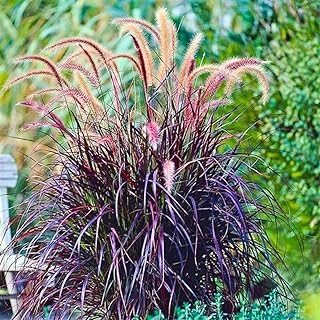
This compact option emphasizes drought tolerance and low maintenance, with a versatile form suitable for borders, mass plantings, or containers. The compact size makes it easier to establish in smaller gardens or urban landscapes where space is at a premium. Despite its reduced height, the purple-tinted foliage and attentive plumes deliver striking color and texture. These plants are well-suited for mixed containers or as a border lining, especially where space efficiency is a priority.
Establishment requires consistent moisture until roots take hold, followed by resilience in drier conditions. Full sun promotes the richest color, while well-draining soil reduces the risk of root rot. For display, group several clusters together for a strong visual impact or intersperse with greens and complementary flowering perennials to create depth and contrast across seasonal cycles.
Set 3 Fountain Grass Plants (Purple)
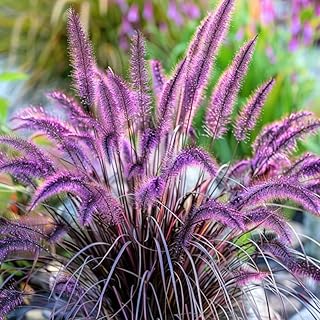
This set provides multiple purple fountain grass clumps, ideal for creating a cohesive bed edge or a simple border display. Cold hardiness is listed for USDA Zones 9-11 when grown as an annual in cooler climates, and the foliage color is described as multicolor. Full sun is recommended to achieve optimal growth and color intensity. The compact size of each plant early on makes them easy to transplant and position in a new landscape design, enabling gardeners to establish a consistent color theme across a space.
As part of a mixed border, these grasses offer seasonal texture with plumes arising later in the season. They respond well to light pruning after bloom and can contribute to winter structure in milder areas. When planning plantings, consider spacing that allows each clump to expand without crowding neighbors, preserving air circulation and reducing disease pressure.
Buying Guide
Key purchase considerations for dwarf purple fountain grasses include size, color, and climate compatibility. Compact cultivars fit smaller spaces and containers, but it’s important to confirm their mature height to avoid overcrowding. Foliage color varies from deep purple to burgundy tones, with plumes that develop later in the season; color stability depends on sun exposure and soil moisture. Look for plants described as drought-tolerant or well-draining soil-friendly, as these traits support low-maintenance landscapes.
Climate zones determine whether you should treat certain varieties as perennials or annuals. Some cultivars perform best in warmer zones (9-11) or will need winter protection in cooler areas. Full sun ensures the most vibrant plume color, while partial shade can still deliver texture but with less dramatic color depth. Proper spacing (generally 18-24 inches or more) promotes air circulation and reduces disease risk. Regular mulching helps conserve moisture and suppress weeds but avoid overly rich soils that may promote excessive leaf growth without good plume development.
For design versatility, pair purple fountain grasses with silver or green-leaved perennials, variegated grasses, or blooming perennials like yarrow or salvia to create contrast. In containers, choose a well-draining mix and provide consistent watering during establishment. When pruning, cut back old growth in late winter or early spring to encourage fresh growth and a tidy appearance. These strategies yield a resilient, visually striking addition to borders, entryways, and living spaces.