Explore a curated selection of weeping blue Atlas cedars and related blue-hued evergreens that thrive in American gardens. These selections offer dramatic, cascading branches and icy-blue needles that add architectural interest and year-round color. Each option varies in size, growth habit, and care requirements, making it easier to fit into landscapes ranging from compact urban yards to expansive estates. The following profiles highlight five relevant trees and plants, including growth tendencies, ideal uses, and visual characteristics to help you choose the right specimen for your space.
| Product | Brand | Size | Key Feature | Amazon Link |
|---|---|---|---|---|
| Weeping Blue Atlas Cedar – 2 Year Live Tree | Japanese Maples and Evergreens | 2 Year Live Tree | Weeping form, icy-blue needles, waterfall-like effect | View |
| Weeping Blue Atlas Cedar 3 – Year Live Tree | Japanese Maples and Evergreens | 3 Year Live Tree | Weeping branches, icy-blue needles, waterfall-like effect | View |
| Horstmann Atlas Cedar 2 – Year Live Tree | Japanese Maples and Evergreens | 2 Year Live Tree | Compact dwarf upright form, icy-blue foliage | View |
| Dwarf Atlas Cedar Sapphire Nymph Cedar – 1 Year Live Plant | Japanese Maples and Evergreens | 1 Year Live Plant | 8 ft tall potential, powder blue needles, creamy-white new growth | View |
| Atlas Cedar | Medium Tree Seedling | The Jonsteen Company | The Jonsteen Company | Seedling | Grow-your-own Atlas Cedar, seed-grown on California’s Redwood Coast | View |
Note: The selections above emphasize blue-tinged evergreens with weeping or cascading forms that can act as focal points or natural screens. When choosing, consider climate zone, mature height and spread, root space, and how often you plan to prune or train the branches. While these listings feature similar aesthetic traits, individual growth patterns and care needs may differ.
Weeping Blue Atlas Cedar — 2 Year Live Tree

This dramatic evergreen creates a distinctive landscape feature with its weeping form and icy-blue needles. It naturally grows slowly with a sprawling horizontal habit, though many specimens can be trained into an upright, serpentine shape. The weeping branchlets contribute a waterfall-like effect, making it a striking focal point in entryways, slopes, or patio regions. Ideal for large yards that can accommodate a broad, cascading silhouette, and for gardeners seeking a long-term color accent with architectural presence.
Growth and care considerations: Provide well-drained soil and full sun. Monitor for winter moisture needs in colder climates, and consider staking early in cultivation to shape the initial growth. Regular pruning is optional but can help emphasize the cascading form. This tree performs well in zones where blue-tinged evergreens are favored and where a distinctive feature tree is desired.
Weeping Blue Atlas Cedar 3 – Year Live Tree
This larger iteration continues the dramatic weeping habit, with icy-blue needles that catch light for a tranquil, frosted appearance. It grows slowly and presents a sturdy horizontal spread, but many growers train it upright or along a serpentine path for dynamic visual interest. The cascading armature creates a sense of movement, particularly when positioned near a water feature or open lawn where its form can be appreciated from multiple angles.
Growth and care considerations: Ensure ample sunlight and well-drained soil. As with many cedar varieties, mature trees can handle some drought but perform best with regular watering during establishment. Pruning is optional and usually used to refine the shape rather than remove growth. This plant is suitable for larger landscapes seeking a grand blue statement piece with lasting elegance.
Horstmann Atlas Cedar 2 – Year Live Tree

This cultivar offers a compact, compact upright form of the Blue Atlas Cedar, reaching up to about 10 feet tall. Its icy-blue foliage sits on short, upsweeping branches that can be especially appealing for bonsai interest or small-space landscapes. The restrained size makes it a practical choice for borders, courtyards, or as a specimen plant that still delivers the blue-conifer aesthetic.
Growth and care considerations: Prefers full sun and well-drained soil. It is suitable for sheltered sites and can be pruned to maintain height. Because it is a smaller, more controlled form, it can adapt to tighter spaces while still offering strong blue coloring and textural contrast against greener surroundings.
Dwarf Atlas Cedar Sapphire Nymph Cedar – 1 Year Live Plant

This dwarf cultivar grows to about 8 feet tall, showing powder blue needles on short sprays with creamy-white new growth. Its delicate palette provides a soft, frosted look that contrasts nicely with dark greens and silvery foliage. It suits smaller landscapes or as a unique accent in mixed borders or rock gardens, where its color and form can be appreciated up close.
Growth and care considerations: Requires full sun and well-drained soil. It is best for zones that support conifers and can be pruned lightly to maintain desired height and shape. The blue-toned needles and bright new growth add visual interest and texture to smaller yards or container plantings when space is limited.
Atlas Cedar | Medium Tree Seedling | The Jonsteen Company
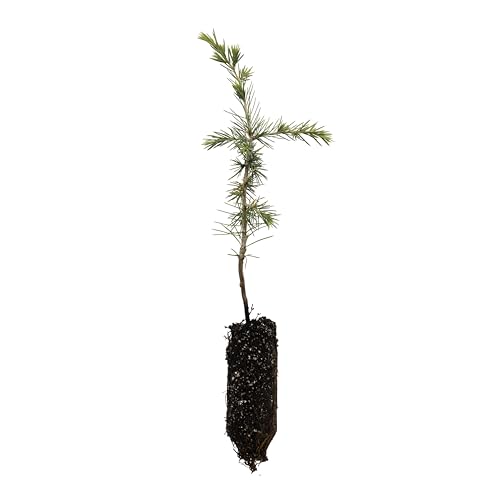
The Jonsteen Company offers a seed-grown Atlas Cedar seedling suitable for home growers who want to cultivate their own evergreen. The Atlas Cedar is an ornamental evergreen native to the Atlas Mountains of Morocco, featuring evergreen foliage as it matures. The package includes transplanting and care instructions to support successful establishment in your landscape. This option is ideal for hobbyists and new gardeners who want hands-on growing experience and the satisfaction of watching a tree develop from seed.
Growth and care considerations: Start in a pot or prepared bed with well-drained soil and full sun. Transplant with care to minimize root disturbance and ensure the seedling has room to develop a strong root system. Regular watering during establishment and staged pruning can help shape a healthy, resilient tree over time.
Buying Guide: Key Purchase Considerations and Comparisons
- Growth habit and space: Weeping blue Atlas cedars offer dramatic cascades suitable for large spaces, while dwarf and seedling options fit smaller yards or container plantings. Consider mature height and spread to avoid future crowding.
- Blue color intensity: Some selections display more cyan-blue needles, while others show softer, powdery blue hues. Lighting and soil influence color depth, so select based on how pronounced you want the blue moment to be.
- Maintenance needs: Upright cultivars may require less pruning for form, whereas weeping varieties often benefit from light shaping. Seedlings require longer-term growth and may need more hands-on care as they establish.
- Climate compatibility: Ensure the chosen cultivar suits your hardiness zone, especially regarding winter hardiness and drought tolerance. Consider wind exposure, sun intensity, and soil drainage when placing the tree.
- Aesthetic pairing: Pair blue Atlas cedars with silver or green foliage plants, dark evergreens, or stone elements to enhance contrast. A water feature or open lawn can amplify the cascading effect of weeping forms.
- Longevity and use: For focal points or long-term landscape statements, select larger or more mature-looking specimens. For edible or mixed borders, seedling and dwarf options provide flexibility and cost efficiency.
- Care instructions and maintenance: Review transplanting guidelines and aftercare to optimize establishment. Some cultivars respond well to pruning to preserve shape, while others develop naturally with minimal intervention.
For landscape projects seeking a blue-toned evergreen centerpiece or a unique cascading accent, these selections offer varied options in size, form, and care. By evaluating space, climate, and maintenance preferences, you can choose a robust, eye-catching addition that enhances curb appeal and garden texture over time.