Prickly pear cacti from the Opuntia genus bring striking color, drought tolerance, and low-maintenance care to American gardens. This guide highlights five notable Opuntia selections that pair ornamental value with edible fruit possibilities. Each product includes live-cuttings, seeds, or established plant options suitable for outdoor beds, containers, or desert-friendly landscapes. Readers will discover growth habits, winter hardiness, and care tips to help select the best Opuntia for their climate and skill level. The table below provides a quick overview of the five curated options.
| Product | Type | Hardiness | Key Benefit |
|---|---|---|---|
| Spineles 3 Pads Thornless Edible Nopales | Live Cutting | Hot climates | Colorful fruit clusters |
| 15PCS Red Prickly Pear Seeds | Seeds | Varies by care | Tree-like growth potential |
| Burbank Spineless Prickly Pear | Live Plant Cutting | Moderate to warm | Faster maturity than seeds |
| Creation Cultivated Spineless Prickly Pear Cactus Ellisiana | Live Pad Cutting | Very winter hardy | Yellow flowers and edible pears |
| Engelmann’s Prickly Pear Cactus | Live Plant Cutting | Outdoors or indoors | Easy to grow, edible fruit |
Spineles 3 Pads Thornless Edible Nopales Prickly Pear Cactus Opuntia Cacanapa

The Spineles lot offers three pads featuring thornless growth with clusters of bright red prickly pears. This Opuntia Cacanapa variety is drought-tolerant and suitable for hot, dry climates, requiring minimal ongoing maintenance. The edible fruit, commonly called tuna, adds both ornamental and culinary value to a drought-tolerant garden. As a compact cutting, it can establish quickly in containers or a garden bed, making it an accessible entry point for beginners exploring prickly pear varieties.
15PCS Red Prickly Pear Cactus Seeds Opuntia Ficus

These Opuntia ficus seeds offer the potential for a tree-like growth habit with age. Seed-grown prickly pears can produce a range of skin colors in the fruit—from green to red or purple—as they mature. Grown in proper soil and with consistent moisture until sprouting, these seeds provide a longer-term project for cactus enthusiasts who enjoy watching a plant develop over seasons. The variety includes the characteristic glochids on the fruit, which may influence handling and care. Germination speed and ultimate form depend on climate and soil conditions.
Burbank Spineless Prickly Pear Cactus (Opuntia ficus-Indica) Live Plant Cutting

The Burbank Spineless Prickly Pear is a popular Opuntia ficus-indica cultivar. This live plant cutting is noted for easier, faster maturation compared to seed-grown specimens, and it can be grown outdoors or indoors as a houseplant. Its spineless nature reduces handling risk, making it appealing for households with children or pets. As with most Opuntia, it thrives in sunny locations and requires well-drained soil. It can also serve as a striking focal plant in a desert-themed xeriscape or succulent collection.
Creation Cultivated – Spineless Opuntia Elliana (Ellisiana) 1 Pad Cutting
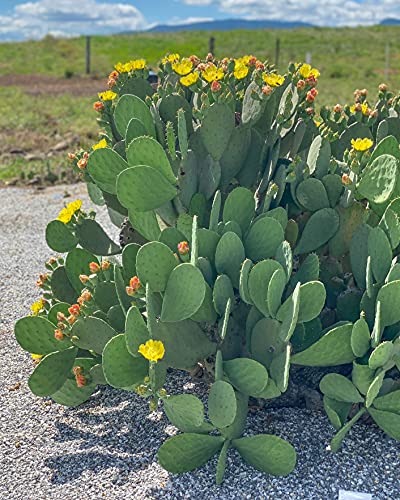
This live cutting, labeled Ellisiana, is described as very winter hardy, suitable for zones 6 through 10. It produces beautiful yellow flowers and edible pears. Buyers should note DoA (dead on arrival) claims require immediate action with product images if there is damage. The Ellisiana cultivar adds a bright floral accent to a cactus collection and is favored by gardeners seeking hardy specimens that can survive cooler winters compared to some tropical Opuntia varieties.
Engelmann’s Prickly Pear Cactus (Opuntia engelmannii)

Engelmann’s Prickly Pear is a versatile Opuntia that can be grown outdoors or indoors, offering straightforward care and resilience. It is often praised for its easier cultivation compared with some other prickly pears, and it yields sweet red edible fruit under favorable conditions. Gardeners can place this cactus in sunny spots with well-drained soil, benefiting from its drought-tolerant nature. The plant can serve as a durable landscape specimen or an appealing container plant for sunlit patios and entryways.
Durazilla Prickly Pear Cactus (Opuntia gosseliniana)
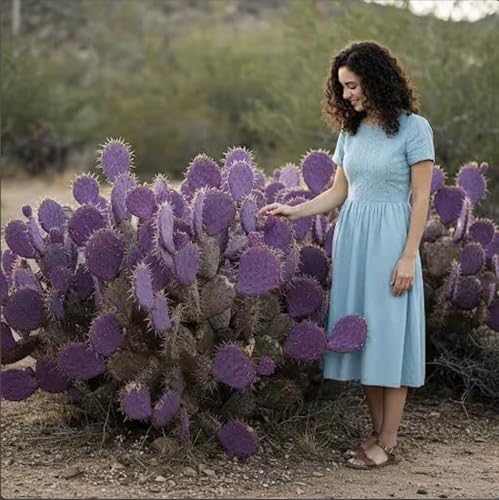
Note: Durazilla was included as a related option but is not among the five selected for this guide. Durazilla is known for its color-changing traits and ornamental appeal, with growth suited to warm climates. When considering any Opuntia, ensure you provide ample sunlight, well-drained soil, and protection from overwatering. Hardy varieties may tolerate cooler nights, while some desert-adapted cultivars prefer dry, sun-drenched conditions.
Buying Guide: Key Purchase Considerations
- Climate suitability: Check winter hardiness and summer heat tolerance. Some Opuntia species thrive in zones 6–10, while others prefer harsher desert conditions.
- Plant form and growth rate: Decide between seeds, cuttings, or established plants. Seed-grown varieties take longer to mature but may offer longer-term resilience, while cuttings establish quickly.
- Fruits and edibility: Many Opuntia produce edible fruit (tunas) and pads (nopales) with varying textures and flavors. Consider how you plan to use the fruit in cooking or crafts.
- Care requirements: Look for drought tolerance, light needs (full sun vs. partial shade), and soil drainage. Overwatering is a common issue for succulents and cacti.
- Handling safety: Some Opuntia have glochids or small spines. Spineless or mild-spine varieties reduce handling risk for households with kids and pets.
- Container vs. landscape: For patios or small spaces, choose compact or container-friendly cultivars. For landscape beds, select larger or faster-maturing varieties.
- Hardiness and winter protection: In cooler regions, select winter-hardy options and provide frost protection during cold snaps.
- Availability and shipping: Live plant cuttings require careful packing and immediate care upon arrival. Seeds and young plants should be sourced from reputable sellers.
- Maintenance expectations: Some Opuntia require occasional pruning to control shape or to remove dead pads, while others are nearly care-free.
Opuntia varieties offer a spectrum of color, texture, and edible fruit. By selecting a mix of thornless, spineless, or hardy cultivars, gardeners can build a resilient, eye-catching collection that thrives in sun-drenched spaces and drought-prone climates.