Floating pond plant containers help keep aquatic plants thriving while protecting pond ecosystems. This guide highlights five top options that balance buoyancy, substrate containment, and water quality. Each product is designed to support a range of pond plants—from water lilies to duckweed—without muddying the water or crowding the ecosystem. Read on to compare features, materials, and practical considerations for American gardens and ponds.
Summary of chosen products
| Product | Brand | Key Benefit | Size (approx.) |
|---|---|---|---|
| Treela 2 Pcs Floating Plant Pots (10 Inch) | Treela Store | Lightweight foam, breathable fabric, nutrients retained | 10 inch outer |
| 2Pack Round Floating Flora Fish Barrier | — | Protects plants from pond fish | Round netting |
| Aquascape Floating Island Planter | Aquascape Store | Deep-water display, soil contained, fish protection | Standard floating planter |
| EBaokuup 4 Pcs Aquatic Pond Planting Bags | — | Breathable, prevents soil loss | 7.1″H x 7.2″ Dia |
| Treela 2 Pcs Floating Plant Pots (13.7 Inch) | Treela Store | Larger diameter, robust floating containment | 13.7 inch outer |
Treela 2 Pcs Floating Plant Pots (10 Inch)
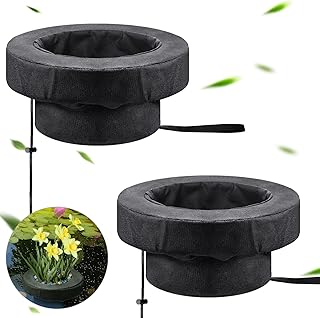
The Treela floating pond baskets are designed with a 10-inch outer diameter and an 8-inch inner diameter to accommodate a variety of pond plants such as water hyacinth, water lettuce, duckweed, and azolla. Their foam-based construction offers buoyancy and resilience in outdoor water. The breathable, waterproof non-woven fabric contributes to durability in sun and water exposure, while maintaining lightweight handling for easy placement and removal. These baskets help keep soil contained, reducing substrate loss and supporting healthier roots in a pond ecosystem. By providing a stable floating platform, they minimize root disturbance and support vigorous growth for surface plants.
Key features include a floating design that resists cracking, a porous structure to limit nutrient leaching, and a containment system that helps anchor substrate and roots. The combination aims to balance plant accessibility to water and nutrients with protection from water movement and wind. This makes them suitable for koi and other pond species that might disturb shallow-root plants, while maintaining a visually appealing display across the pond surface.
Pros: lightweight and easy to deploy, good for various floating plants, reduces nutrient loss, protects plant roots. Cons: 10-inch baskets may be on the smaller side for some dense root systems; not ideal for very large water lilies without a larger model.
2Pack Round Floating Flora Fish Barrier

This product offers protection for floating plants against pond fish and other aquatic animals. The all-around netting diameter creates a barrier that helps prevent damage to plant roots and tender growth. The protective net is designed with small pores to facilitate adequate ventilation and water exchange, ensuring plants receive sufficient oxygen and a steady water source. The material is described as durable nylon with a dense sponge-based floating ring, providing buoyancy and resilience against sun exposure and pond conditions.
Advantages include reliable plant protection from herbivorous fish, a breathable design that avoids water stagnation, and a robust construction for longevity in outdoor ponds. This option is well suited for gardeners seeking a dedicated net barrier rather than a full floating substrate container. It can be used in combination with other floating planters to create layered plant displays or to isolate delicate specimens while still allowing oxygen-rich water to circulate.
Considerations: ensure the net’s diameter matches your pond’s needs and that the netting does not impede necessary water flow around the plants. The barrier is not a planting pot itself, so pairing with a separate floating container may be necessary for root containment in some setups.
Aquascape Floating Island Planter

The Aquascape Floating Island Planter is a classic option for displaying aquatic plants in deeper pond areas. It is designed to keep soil contained while water can flow through, protecting plants from hungry fish while maintaining an attractive surface presentation. The planter is built to stay afloat at the pond’s surface, helping gardeners create naturalistic “island” arrangements that mimic wild water habitats. It suits larger ponds or sections with deeper water, enabling plants to reach light without risking submersion in muddy sediments.
Key considerations include depth placement, the ability to keep soil contained without minimizing water exchange, and ensuring compatibility with pond fish and wildlife. The planters are effective for showcasing mid- to top-water species, such as water lilies or tall marginal plants, while keeping the root zone visually distinct and accessible for maintenance. This option emphasizes aesthetic display while delivering functional protection and containment.
Limitations to note: larger size requires more space and stable support, and some users may need additional anchors or flotation to suit their exact pond dimensions. Overall, it’s a dependable choice for formal or decorative water features.
EBaokuup Pond Planting Bags (4 Pack)

The EBaokuup set includes four reusable mesh planting bags designed for pond and water garden use. Each bag has a breathable 1/16″ mesh that allows water access to plant roots while minimizing soil loss into the pond. The PVC material is described as high-quality, breathable, soft, flexible, and durable, able to withstand sun exposure and repeated use. The bags measure approximately 7.1 inches tall and 7.2 inches in diameter at the bottom, making them versatile for lilies, water lilies, and other aquatic plants. They blend into the pond environment while providing a practical growth medium container for roots and substrates.
Advantages include excellent breathability, soil containment, and reusable design. The bags adapt well to uneven pond edges and offer flexibility for rearranging plant placements. They are suitable for planting configurations that require individual root zones or segmented plant protection. The main trade-off is that they may require substitution or augmentation with additional substrate if soil retention is essential for plant health in certain cases.
These planting bags are a practical option for gardeners who favor modular, reusable solutions that can be easily moved seasonally or rearranged as pond layouts change.
Treela 2 Pcs Floating Plant Pots (13.7 Inch)

These larger Treela floating plant pots extend the concept of buoyant containment to bigger pond plants and denser root systems. With an outer diameter of about 13.7 inches and an inner diameter of about 11.8 inches, they accommodate a wider range of aquatic species, including water hyacinth, water lettuce, and azolla, while still supporting plants with sinking roots. The construction remains a combination of durable polystyrene foam and breathable waterproof non-woven fabric for long-lasting outdoor use. The floating design keeps plants afloat while ensuring soil and substrate stay contained, preserving water quality and reducing nutrient leakage into the pond ecosystem.
Pros include a larger footprint for more substantial plantings and sturdy buoyancy that maintains floatation in varying water conditions. They are well-suited for homeowners with bigger ponds or those wanting more dramatic surface plant displays. Potential considerations include the need for more surface area and the possibility that larger pots may require careful placement to avoid crowding near pond edges or water inlets.
Buying Guide: Key Purchase Considerations
- Plant type and growth habit: Choose containers sized to fit the mature root system of target pond plants. Floating islands and pots vary in diameter to accommodate surface-dloating plants (water hyacinth, duckweed) or deeper-rooted species (water lilies).
- Material and durability: Look for lightweight yet sturdy polyurethane, polystyrene foam, breathable fabrics, or durable nylon nets. Materials should resist algae buildup, sunlight exposure, and frequent pond movement.
- Buoyancy and stability: Ensure the container’s buoyancy matches pond depth and wave action. Some options include additional flotation or anchors for stability in windy or dynamic waters.
- Soil containment and nutrient control: Planters with porous designs reduce soil loss into the pond and help maintain water quality by limiting nutrient spikes caused by substrate displacement.
- Ventilation and water access: Mesh or breathable fabrics promote aeration and prevent root rot by allowing water flow while containing substrate.
- Maintenance and lifecycle: Reusable planting bags and durable floating planters offer long-term cost savings. Consider how easy it is to clean, replace, or rearrange plants seasonally.
- Compatibility with fish and wildlife: If pond fish are present, consider protective nets or larger containment to minimize root disturbance and protect plants while allowing fish activity to continue.
- Aesthetics and pond design: Select containers that align with your pond’s style, whether naturalistic island displays or sleek, modern surface arrangements. Color, texture, and scale influence overall visual impact.
- Ease of installation: Some planters snap into place or simply float, while others require assembly or anchoring. Factor in the effort needed for setup and seasonal adjustments.
- Budget and multi-pack options: If you’re building a larger display, multi-pack sets can reduce cost per unit and simplify planning for symmetry and balance across the pond surface.
In summary, the right floating pond plant containers provide a balance between buoyancy, substrate containment, and water quality. Selecting a mix of sizes and protection features allows gardeners to create dynamic, healthy aquatic displays across different pond depths and plant types while maintaining a clean, clear water environment.