Discover the best soil test probe kits that help you analyze soil moisture, pH, nutrients, and more. This guide highlights five reliable kits suitable for home gardens, lawns, and small farms. Each option is evaluated on build quality, ease of use, and the range of measurements. Use these insights to choose a kit that fits your soil testing needs and budget.
| Product | Brand | Key Benefit |
|---|---|---|
| Sukiise Soil Sample Probe 12 Inch | Sukiise | Good for quick soil profiling and layered sampling |
| SONKIR Soil pH Meter MS02 | SONKIR | 3-in-1 moisture, pH, sunlight readout |
| MySoil Soil Test Kit | My Soil | Professional lab-style nutrient analysis |
| Rapitest Soil Test Kit | Luster Leaf | Simple 20-test kit with color comparators |
| HiHydro 12 Inch Stainless Probe | HiHydro | Durable stainless steel with reusable sample bags |
Sukiise 12-Inch Soil Sample Probe
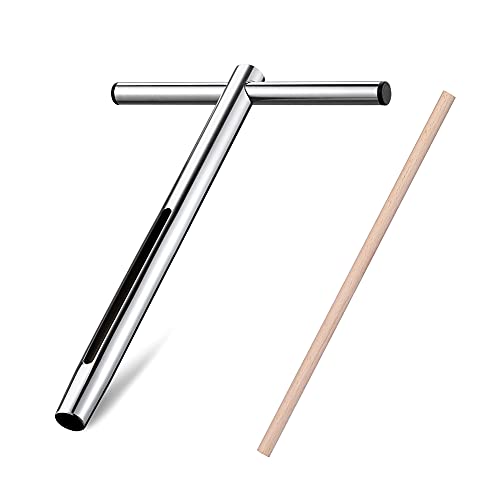
The Sukiise soil probe combines a 12-inch sampling rod with a disassemblable T-handle, designed for durable field use. It emphasizes easy extraction of core soil from tubes without clogging and preserves soil layers for accurate moisture and pH assessment. The tool supports sampling across clay, sandy, loamy, wet, and dry soils, and it emphasizes portability with a compact 12-inch form factor. This kit is well-suited for gardeners and small farms needing quick onsite profiling.
Features highlight quick soil core retrieval from tubes, a sharp tip for easy insertion, and a compact, lightweight design for outdoor operation. The kit aims to deliver representative samples to guide fertilizer and amendment decisions. While it excels in field sampling, users should pair it with a reliable lab or on-site tester to interpret moisture, pH, and nutrient profiles accurately.
SONKIR 3-in-1 Soil Tester MS02

The SONKIR MS02 combines moisture, pH, and sunlight readings into a single handheld unit. It is designed for quick, battery-free operation with a simple insert-and-read approach. The device notes that very dry soil may not register accurately, so users should water prior to testing. This makes it a practical choice for gardeners who want a quick snapshot of soil conditions before planting or watering schedules.
Advantages include battery-free use and a straightforward three-parameter readout. Limitations include the need to water dry soils for accurate pH readings and a learning curve for interpreting sunlight exposure relative to plant needs. The 3-meter reach is adequate for most home garden beds and containers, providing rapid feedback for routine care.
MySoil Soil Test Kit
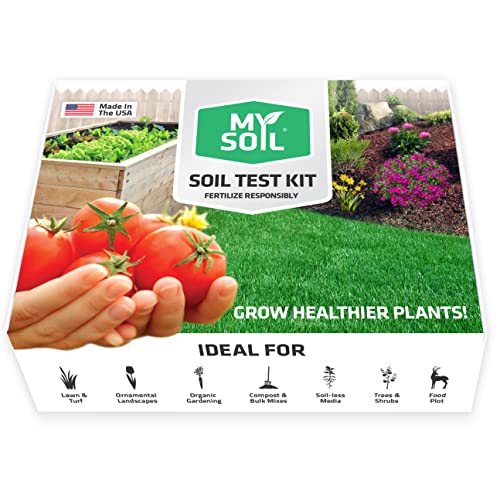
MySoil provides a professional-grade approach to soil testing with comprehensive nutrient and pH analysis. It promises results in 6-8 days and covers 13 plant-available nutrient levels, including nitrogen and pH. This kit is designed for gardeners who want lab-quality insights to tailor recommendations for lawn, garden, and landscape projects. It supports a wide range of growing scenarios, from lawns to hydroponic setups.
Pros include a thorough nutrient profile and actionable recommendations. Cons involve a longer turnaround time compared to in-field meters and the need to mail samples to a lab for results. This option is best for serious gardeners who want data-driven guidance rather than quick spot checks.
Rapitest Soil Test Kit
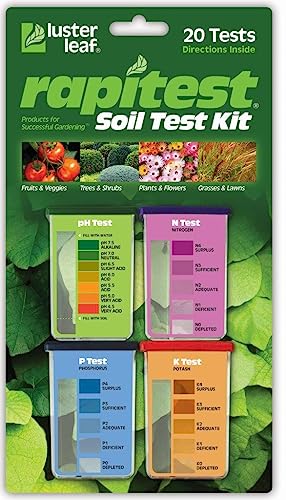
The Rapitest kit from Luster Leaf is a USA-designed, color-comparator-based test system for quick home results. It measures soil pH and essential nutrients (N, P, K) using a capsule system and accompanying color charts. The package includes components for multiple tests, enabling several sampling spots across a lawn or garden to build a broader soil picture. This kit is favored for its affordability and ease of use for casual testers.
Strengths include rapid results and straightforward interpretation of color changes, while limitations include the need for careful handling of color comparisons and potential variability between tests. It’s a practical starter kit for homeowners who want frequent checks without professional lab services.
HiHydro 12-Inch Stainless Probe
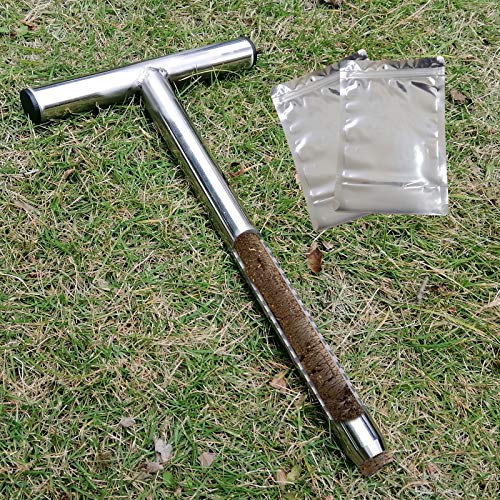
The HiHydro stainless steel probe offers durability with a robust T-handle design and two reusable sample bags. Stainless construction helps resist rust and ensures long-lasting sampling performance. The kit supports easy soil extraction and clean-up, making it suitable for repeated field use in gardens, lawns, and farms. The dual sample bags enable you to separate cores for different analyses or back-to-back sampling.
Key benefits include corrosion resistance and dependable sampling across varied soil types. However, users should verify compatible moisture and pH testing methods to align with the probe’s sampling depth. This option is well-suited for those who value sturdy materials and reusable components for ongoing soil profiling.
Buying Guide: Key Purchase Considerations And Comparisons
When selecting a soil test probe kit, consider the following factors to ensure you get the best value for your needs:
- Sampling depth and design: Look for probes around 12 inches with a sharp tip for easy insertion in various soil types. A T-handle can improve leverage for deeper cores.
- Measurement scope: Decide between single-purpose meters (moisture only) and multi-parameter readers (pH, moisture, light, temperature, humidity). For labs-based nutrients, professional kits offer more depth.
- Ease of use: Battery-free meters simplify operation, but some readers require calibration or interpretation. Ensure the device is intuitive for your skill level.
- Durability and materials: Stainless steel cores resist rust and corrosion, increasing longevity in outdoor use. Consider the inclusion of reusable bags for handling samples.
- Turnaround time: In-field meters give immediate results, while mail-in kits provide lab-grade nutrient profiles but require several days for results.
- Cost and value: Balance upfront cost with the breadth of measurements and long-term durability. A multiple-tool kit may offer better long-term value than a single-use device.
- Soil conditions: Some meters require soil to be moist for accurate readings. Plan testing around watering schedules to obtain reliable data.
- Data interpretation: For complex nutrient data, be prepared to interpret results with guidance or lab support to translate numbers into actionable steps.
Choosing the right kit depends on your goals: quick field checks for ongoing plant care, or comprehensive lab-grade analysis for landscape planning and crop management. Users should align product features with their garden size, soil variability, and preferred reporting timelines. The five kits highlighted here cover a range of needs—from fast, on-site readings to in-depth nutrient profiling—helping homeowners, hobbyists, and small farmers make informed soil-management decisions.