Gardens and outdoor spaces can be frustrating when cats dig, scratch, or mark in places you want to protect. A combination of humane deterrents can reduce unwanted behavior while keeping pets safe. This article reviews five effective options, detailing how they work, where to use them, and what to expect. Each solution relies on safe, non-toxic cues that make areas less appealing to cats, without harming them. Use together for a coordinated strategy—start with easy-to-deploy barriers and escalate if needed.
| Product | Type | Key Benefit |
|---|---|---|
| Ley’s 12 Pack Cat Deterrent Mat | Spiked Mat | Forms an uncomfortable surface that discourages stepping on protected zones |
| Cat Deterrent Outdoor Peppermint Balls | Odor-Based Ball Repellent | Humane scent barrier that keeps cats away for long periods |
| Ley’s 10 Pack Scat Mat | Deterrent Mat | Versatile, indoor/outdoor protection with non-harmful spikes |
| Solar Ultrasonic Animal Repellent | Motion-Activated Ultrasonic + LEDs | Multi-sensory deterrent that repels wildlife silently |
| Natural Peppermint Cat Deterrent Balls | Plant-Based Scent Balls | Natural ingredients, repeated use builds effective avoidance |
Ley’s 12 Pack Cat Deterrent Mat

The Ley’s 12 Pack Cat Deterrent Mat uses injected spikes to create an uncomfortable surface that cats will avoid. Designed for versatility, these mats can shield garden beds, potted plants, outdoor fences, and indoor furniture like couches and countertops. Made from durable plastic, they can be bent to fit curved areas and resist aging when used outdoors. The approach is chemical-free and safe for pets, offering a humane way to deter digging, scratching, and mischief around protected zones. Placement is quick and can be customized as garden layouts change throughout the season.
Serving a broad range of environments, these mats are suitable for balcony planters, window boxes, and around trees. Because they rely on physical feedback rather than odor or sound, they provide ongoing protection that doesn’t require reapplication after rain or sun exposure. Users should place mats at the edge of the area to be protected and secure them where possible to prevent movement by weather or pets.
Cat Deterrent Outdoor Peppermint Balls
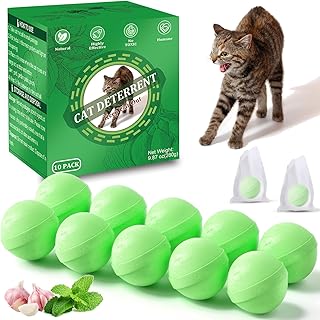
This natural deterrent relies on camphor, peppermint, garlic, lemon, and orange to emit a scent cats find unpleasant. The 10-pack design aims to cover larger outdoor spaces and can be used in yards, gardens, or around outdoor furniture. By creating a barrier that cats hate to approach, this option encourages them to seek quieter, less resistive areas. The formula emphasizes safety for pets and humans while offering a humane alternative to physical barriers. Effectiveness can extend up to 60 days, depending on weather and cat behavior.
Because scent-based deterrents rely on odor, consistent reapplication helps maintain boundaries in areas with frequent cat traffic. The product’s natural ingredients are chosen to minimize risk to plants, people, and non-target animals. Regular checks ensure there is no staining or residual odors on nearby surfaces, especially near edible plants or patio seating.
Ley’s 10 Pack Scat Mat
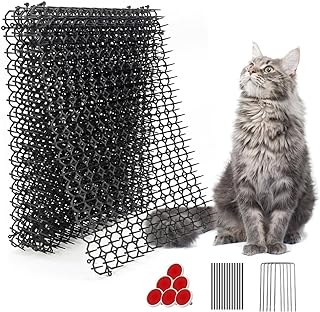
The Ley’s 10 Pack Scat Mat is a robust deterrent designed for both indoor and outdoor use. With a 16 x 13-inch footprint, these mats are highly adaptable for protecting gardens, fences, couches, and other high-risk areas. The spikes provide a safe, humane cue that discourages cats from entering treated zones without causing harm. Made from durable materials, these mats resist weather-related wear and tear while maintaining effectiveness over time. Flexible placement is ideal for protecting irregular garden shapes or multi-area layouts.
Prospective buyers should note that the mats rely on touch-based discomfort rather than scent or sound, so placement accuracy matters. They can be used in combination with other deterrents for added protection, especially in high-traffic areas. Cleaning is straightforward—remove debris and rinse as needed, ensuring the spikes remain intact for ongoing use.
Solar Ultrasonic Animal Repellent

The Solar Ultrasonic Animal Repellent uses motion detection to trigger a multi-sensory deterrent. It combines ultrasonic sounds audible to wildlife but not to humans, with dynamic LED strobe and flame-like lighting to create a visually alarming signal. This device is suitable for yards, gardens, and farms where wildlife intrusion disrupts crops or landscaping. The PIR motion sensor activates only when movement is detected, helping conserve energy and reduce nuisance alerts.
Worth noting is that ultrasonic devices work best when placed at optimal angles and heights to maximize detection. They are a good option for perimeter protection around larger properties or where cats roam freely. Weather resistance and battery maintenance should be reviewed to ensure continuous performance through seasons. Placement should avoid direct line-of-sight to reduce false triggers from wind-blown debris.
Natural Peppermint Cat Deterrent Balls

This plant-based deterrent blends peppermint, camphor, lemon, garlic oil, lemongrass oil, and bitter apple to create an offensive scent for cats. The approach is designed for both indoor and outdoor use, protecting gardens, furniture, and other areas from digging, scratching, and urine marking. The product emphasizes daily use for the first week or two to establish a boundary, then maintenance applications to reinforce behavior changes. The natural ingredients are chosen for safety around humans, pets, and plants while remaining potent against feline curiosity.
As a scent-based method, effectiveness hinges on consistent reapplication and coverage of vulnerable zones. It can be especially helpful when used in combination with physical barriers like mats or fences. Avoid applying directly on edible plants and follow any usage guidelines to prevent unintended interactions with beneficial insects or pollinators in the garden.
Buying Guide: Key Purchase Considerations For Cat Prevention In The Garden
- Deterrent Type: Choose between physical barriers (spiked mats), scent-based repellents, and electronic deterrents. A mixed approach often yields the best results, especially for yards with multiple entry points.
- Area Coverage: Assess the size and shape of the space you need to protect. Mats and balls are ideal for defined zones, while ultrasonic devices cover perimeters and larger areas.
- Safety And Humane Use: Prioritize non-toxic ingredients and non-harmful methods. Verify materials are weather-resistant for outdoor use and won’t degrade plants or surfaces.
- Weather And Maintenance: Outdoor products may require reapplication after rain or wind. Consider how often you’re able to maintain the deterrents and if solar-powered devices fit your routine.
- Durability And Longevity: Look for UV-stable plastics and robust construction for long-term use in varying climates. Spiked mats should maintain their shape after outdoor exposure.
- Ease Of Installation: Simple placement with minimal tools helps ensure consistent use. Modular mats and plug-and-play devices reduce setup friction.
- Effectiveness Type: Scent-based barriers address odor-driven behavior, while motion-activated devices deter entry through multi-sensory cues. Combining methods reduces the chance of cats bypassing barriers.
- Impact On Non-Target Animals: Choose solutions designed to minimize effects on birds and beneficial insects. Avoid dense chemical use that could harm pollinators.
In practice, an effective cat-prevention strategy often involves layering methods: place physical mats at bedded garden zones, supplement with peppermint-based balls around the perimeter, and consider a motion-activated deterrent for larger properties. Regular inspection and reapplication help sustain results. Monitor cat activity and adjust placements to account for seasonal changes and new entry points. Always start with humane, non-toxic options and scale up only if necessary to maintain a safe, cat-friendly outdoor space.