Red perennial hibiscus plants bring tropical drama to outdoor spaces with bold, dinner-plate blooms. Suitable for containers, borders, or focal points, these hardy varieties perform in warm climates and add wildlife-friendly color throughout the summer. This guide highlights five well-regarded options, covering growth habit, sun needs, and hardiness. Whether you’re planting in full sun or preparing for winter in milder zones, these selections offer reliability and vibrant red blooms.
| Product | Quick Specs |
|---|---|
| 2 Bright Red Hibiscus Live Plants | 6-10 ft tall, full sun, zones 9-15 |
| Lord Baltimore Hibiscus Live Plants | 5-9 inches tall starter, 10-inch blooms, zone 5+ |
| Costa Farms Premium Hibiscus | 1 gallon, 16 inches tall, 5-inch blooms |
| American Plant Exchange Hibiscus – Red | 10-inch pot, zones 9-11, full sun |
| Red Flowering Luna Perennial Hibiscus | Bare root starter, spacing 24-36 inches |
The following five products are chosen for reliable red blossoms, strong growth, and suitability for American gardens. Each section provides essential details to compare at a glance and to help you decide which hibiscus best fits your space, climate, and gardening goals.
2 Bright Red Hibiscus Live Plants

This pair of hardy hibiscus plants offers red blooms from spring through fall in warm climates. Mature height ranges from 6 to 10 feet, with a canopy width of 4 to 6 feet. They thrive in full sun with well-draining soil and are suited to USDA zones 9 through 15. The starter plants arrive well rooted and ready for growth, making them a practical choice for home gardens or container setups that aim for tall, tropical-looking specimens.
Lord Baltimore Hibiscus Live Plants
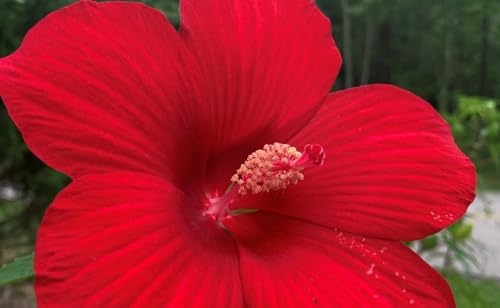
This pair of established “Dinner Plate” hibiscus starts showcases dramatic 10-inch crimson-red blooms. Packaged as two vigorous, well-rooted saplings (5-9 inches tall), they are designed for immediate planting to establish roots before blooming season. They are described as cold-hardy tropicals (Hibiscus moscheutos), capable of overwintering in zone 5 and returning bigger and more vibrant each year. These features make them a standout option for gardeners seeking a tropical look with colder-season resilience.
Costa Farms Premium Hibiscus

Costa Farms offers a 1-gallon hibiscus with bold, 5-inch plate-shaped blooms throughout the summer. At 16 inches tall, these plants provide instant color and can be used as yard focal points, deck accents, or container drama. Their sun-loving temperament and vibrant red flowers make them a reliable pick for gardeners aiming to keep summer color strong in patios and landscapes alike.
American Plant Exchange Hibiscus ‘Red’ Plant

This red hibiscus shrub offers deep red blooms against lush green foliage, delivering a bold tropical accent for patios, garden beds, or larger landscapes. It’s described as a live outdoor tropical plant suitable for USDA zones 9-11, with a requirement for full sun and heat tolerance. The plant can also be grown in containers and moved indoors in cooler seasons, providing flexibility for year-round interest in warmer climates.
Red Flowering Luna Perennial Hibiscus
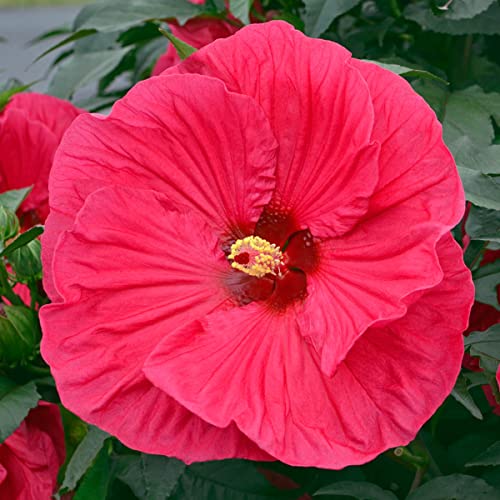
This dormant bare-root starter provides a space-saving option for gardeners ready to plant into well-drained soil, with recommended spacing 24 to 36 inches apart. When properly planted, Luna hibiscus can establish as a robust perennial, returning season after season with vibrant red flowers. It is a versatile choice for those who prefer starting from root stock and watching the plant unfold in spring.
20 Giant Hibiscus Flower Seeds

This seed lot provides seasonal cultivation guidance for hibiscus starting from seed, including scarification and soaking techniques to improve germination. It also covers regional planting schedules and a structured feeding program to support seedlings through to blooming plants. While not a bare-root or potted plant, these seeds enable a broader approach to growing red hibiscus varieties in your garden. Consider them if you’re interested in a full-sowing project for a multi-season display.
Buying Guide: Key Purchase Considerations
- Climate and hardiness: Hibiscus varieties differ in zone tolerance. If you live in cooler regions, look for cold-hardy cultivars or choose potted plants you can move indoors during winter.
- Bloom size and color: Red hibiscus blooms range from single to double forms and can reach several inches in diameter. Choose the bloom size that best suits your landscape scale.
- Growth habit: Some hibiscus grow tall as shrubs or small trees (6–10 feet or more), while others provide a more compact footprint suitable for containers or borders.
- Sun and soil needs: Most hibiscus prefer full sun and well-drained soil. Ensure adequate sun exposure to maximize bloom production.
- Container suitability: For patio spaces, select cultivars that perform well in containers and are manageable for your watering schedule.
- Maintenance: Consider pruning requirements, flowering season length, and whether the plant dies back in winter in your zone.
- Rooting method: Bare-root or plug starts establish differently than established container plants. Plan for transplanting time and year-one growth expectations.
- Seed vs. plant stock: Seeds offer variety and cost savings but require longer to bloom. Starter plants provide quicker color but may be more expensive.
- Pest and disease resilience: Look for varieties with robust heat tolerance and disease resistance to reduce maintenance.