Keeping horses hydrated in cold seasons requires dependable freeze-proof waterers. This guide highlights five readily available options designed to resist freezing, operate reliably, and stand up to daily barn use. Each product is evaluated on durability, ease of installation, and practical features that help maintain a steady water supply for horses and other livestock.
| Product | Brand | Key Feature |
|---|---|---|
| Classic Equine EZFOUNT Waterer | Equine | Versatile setup options |
| Equine Thermo Water Bucket | Country Manufacturing Store | Thermo insulating design; freeze-proof |
| Little Giant Automatic Waterer | Little Giant Store | Float-controlled automatic refill |
| Automatic Water Dispenser (Stainless) | — | Self-filling, stainless steel, wall-mount option |
| Classic Equine Ultra Double Fount | Equine | Ideal for split pen setups |
Classic Equine EZFOUNT Waterer

The Classic Equine EZFOUNT Waterer is designed for versatile setup options, supporting multiple barn layouts. Built to tolerate daily use, its design focuses on reliability and straightforward maintenance. The waterer aims to maintain a consistent water supply for horses while withstanding routine handling by handlers and farriers. The device integrates with standard barn plumbing and can be adapted to different stall configurations, making it a practical choice for barns with varying layouts.
Key considerations include ease of installation, compatibility with existing hoses or plumbing, and how the unit performs under cold weather when the horse is actively drinking during freezing conditions. Regular inspection of seals and fittings helps prevent ice buildup and ensures smooth operation. This model is best suited for barns seeking flexible placement and durable performance.
Equine Thermo Water Bucket

This insulated floating-top gallon water bucket is designed to stay unfrozen in typical barn environments. The freeze-proof concept relies on insulation and design to minimize heat loss, contributing to a more reliable water source in cold stalls and barns. The components are described as impact resistant, offering durability in daily use and predictable performance with minimal maintenance. This option is suitable for barns needing a portable, self-contained water solution that can be moved between stalls as needed.
Considerations include insulation quality, ease of cleaning, and how the floating top performs after exposure to hay dust or bedding materials. Compatibility with standard water lines and the ability to resist cracking in cold weather are additional factors to assess for long-term service life.
Little Giant Automatic Waterer
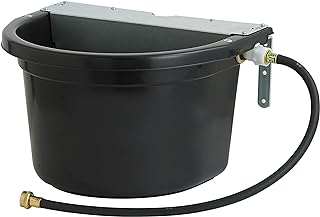
The Little Giant Automatic Waterer is a heavy-duty, float-controlled system with a 4-gallon capacity, designed for livestock including horses. It connects to a standard 3/4 inch garden hose, making installation straightforward in many barn setups. The float mechanism refills the tank automatically as water is drawn, helping maintain a steady water level and reducing the need for constant monitoring during busy days. This option emphasizes reliability and robust construction to handle daily use in busy barns.
For purchasers, crucial points include the quality of the float valve, potential hose wear, and the unit’s performance during freezing temperatures. Regular checks of connections and valve operation help ensure consistent water delivery, especially in winter months when dehydration risk increases for horses.
Automatic Water Dispenser (Stainless)

This stainless steel automatic water dispenser features a self-filling mechanism with a two-float valve system, designed to ensure a consistent water level. The durable 304 stainless steel body can withstand tougher use from larger animals and occasional rough handling. The unit is designed for wall or board mounting, offering flexibility in placement within yards, pastures, farms, or stalls. The automatic refill logic helps provide fresh water even when caretakers are away, which is especially valuable for overnight hydration.
Purchase considerations include material durability in freezing temperatures, mounting stability, and the ease of cleaning or descaling the stainless surface. Ensure the unit adheres to local water quality standards and is compatible with the intended mounting surface and anchoring hardware.
Classic Equine Ultra Double Fount

The Classic Equine Ultra Double Fount is designed for split pen setups, allowing two separate drinking stations from a single unit. This configuration is advantageous for barns housing multiple groups of horses or closely managed pastures, reducing crowding at a single water source. The double-fount design aims to improve access and minimize wait times during peak hydration periods. Durability is a focus, with a build intended to withstand daily barn use and exposure to the elements.
Key considerations include how the double fount integrates with existing plumbing, ease of cleaning around two separate outlets, and the overall space required for installation. This option is well-suited for larger operations or facilities that require high availability of water across pens.
Buying Guide
When selecting a freeze-proof waterer for horses, consider the following:
- Reliability in cold weather: Look for insulation, heated elements, or float mechanisms designed to minimize ice buildup and maintain water flow.
- Installation and placement: Assess barn layout, stall size, and whether the unit fits existing plumbing or requires simple hose connections.
- Durability and materials: Stainless steel and heavy-duty plastics resist wear from horses and weather. Check for impact resistance and corrosion resistance.
- Maintenance needs: Favor designs with accessible parts, simple cleaning, and minimal parts prone to freezing or clogging.
- Capacity and accessibility: Choose a capacity appropriate for the number of horses and stall density; ensure easy access for all animals.
- Safety features: Verify smooth edges, secure mounting, and stable floats or valves that won’t jam or trap hoses.
- Compatibility: Ensure compatibility with existing barn plumbing, hoses, or mounting surfaces; consider future barn reconfiguration.
- Cost of ownership: Weigh initial cost against longevity, maintenance frequency, and potential replacement parts.
- Alternatives: For some barns, a combination approach (insulated buckets for extreme cold and a reliable automatic waterer) may offer the best balance.
To maximize reliability, pair any chosen waterer with a regular winter maintenance routine: check for ice formation, inspect seals and fittings, test the float valves, and ensure visibility of all water levels. Consider seasonal coverage—another unit or portable option can be valuable during particularly harsh snaps or when managing multiple pens.