monarch butterflies rely on milkweed as a critical host plant for their caterpillars and nectar for adults. The following selected products offer a range of hairy-balloon milkweed varieties and related seeds that gardeners can use to attract monarchs, enhance pollinator gardens, and support lasting habitat. This guide highlights growth options, bloom timing, and practical considerations for growing in different climates.
| Product | Brand | Growth Notes |
|---|---|---|
| Balloon Milkweed Hairy Balls | Seedville | 4-6 ft height as annual; late spring to early fall blooms; perennial in zones 8-11 |
| MILKWEED Gomphocarpus Premium Seeds | Sherwoods Seeds | Attracts monarchs; versatile; good for cut flowers |
| SWAN Milkweed Hairy Balls | Seedville | Balloon pods; stratification needed; perennial in suitable zones |
| Gomphocrpus Milk Weed Seeds Balloon Plant | Sticker Tiger | Attracts monarchs; basic planting info |
| 2 Milkweed Plants Live | YOKEBOM | Starter plant; hardy zones 3-9; mid to late summer blooms |
Balloon Milkweed Hairy Balls by Seedville

Balloon milkweed, also known as Gomphocarpus physocarpus, is celebrated for its distinctive balloon-like seed pods that add visual interest to beds and borders. This variety helps create an inviting monarch habitat by offering larval host material and late-season nectar. As an annual in cooler regions, it typically reaches 4-6 feet, allowing gardeners to achieve quick coverage in sun-filled spaces. In warmer climates it can behave as a perennial, offering longer-term structure. The flowers usually appear from late spring through early fall, providing a steady supply of nectar for pollinators.
Growers should consider soil drainage and full sun exposure to maximize flowering. Balloon milkweed seeds benefit from warm soil and a light, regular watering routine during establishment. The plant’s tall, airy stalks can be used to create vertical interest in mixed borders or wildlife-friendly meadows. Because monarchs lay eggs on milkweed, providing this plant supports butterfly populations during migration years and favorable breeding seasons. This seed pack is well-suited for gardeners seeking a bold, dramatic addition with ecological value.
Key planting tips include sowing after the last frost in spring when soil temperatures stabilize. If starting indoors, transplant after hardening off to reduce transplant shock. Layer this plant with companion species such as native grasses to establish a diverse habitat. The seed pods also add winter interest when dried, though they do not produce continuous color through the colder months. Overall, Balloon Milkweed offers a practical blend of ornamental appeal and ecological function for monarch gardens.
Oscar Plant Milkweed Gomphocarpus by Sherwoods Seeds

This premium seed packet focuses on Gomphocarpus, a hardy milkweed option associated with monarch habitat. The product emphasizes monarch attraction and its popularity among nectar-seekers and pollinators. As a versatile plant, it can serve as a main feature in pollinator gardens or as a cut-flower source for arrangements, while also supporting butterfly life cycles. It is commonly used by gardeners aiming to establish robust host plants that sustain caterpillars and attract adult monarchs with abundant nectar.
In terms of cultivation, gardeners should monitor soil drainage and sun exposure to ensure strong germination and healthy growth. The seeds benefit from warm temperatures and consistent moisture during the early stages. As with other milkweeds, this plant may require pest and disease monitoring, although adults often find robust Gomphocarpus stands less prone to major issues when established in healthy soil. This option aligns with enthusiasts seeking a straightforward, monarch-supporting seed choice.
Practical considerations include planning for eventual height and spacing. The plants can reach several feet tall and should be given space to avoid crowding. For gardeners focused on longevity, consider pairing with late-blooming perennials to maintain a continuous nectar source. The human enjoyment of the plant’s unique seed pods complements its ecological value, making this a solid choice for mixed borders and monarch-friendly landscapes.
Swan Milkweed Hairy Balls by Seedville

Swan milkweed, or Gomphocarpus Fruticosus, is notable as a monarch magnet with robust habitat potential. This variety is prized for its extended bloom period, which spans late spring through early fall, and the possibility of year-round flowering in climates where it behaves as a long-lived perennial. The seeds may require a brief cold stratification to enhance germination, and gardeners can germinate indoors or outdoors following frost danger. Swan milkweed’s distinctive balloon pods add ornamental value while supporting monarch caterpillars and adult butterflies alike.
Growing considerations focus on timing and stratification. The seeds benefit from a short cold period to kick-start germination, followed by warm, bright conditions for seedling development. Once established, Swan milkweed can form an airy, tall presence in the garden that pairs well with ornamental grasses and wildflower mixes. Home gardeners may appreciate the extended flowering window, providing steady nectar sources regionally where monarchs travel. This option caters to those seeking a balance of aesthetic appeal and ecological utility.
Gardeners should prepare for full sun to optimize bloom production and pollinator activity. Adequate spacing ensures airflow, reducing disease risk while encouraging strong growth. The seed pods contribute visual drama as they mature, making this cultivar attractive even when not in full bloom. Overall, Swan milkweed offers a reliable monarch host with a versatile growth habit across different garden styles.
Gomphocrpus Milk Weed Seed Balloon Plant by Sticker Tiger
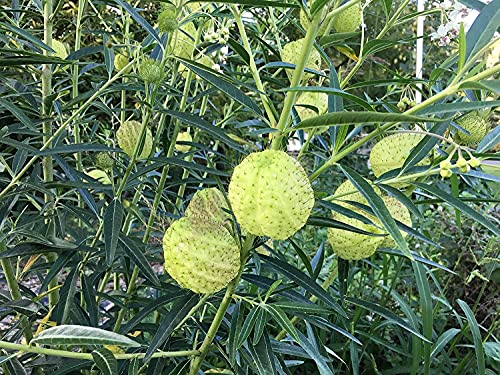
This listing highlights atra ction of monarch butterflies through Gomphocarpus cultivation and emphasizes the balloon plant’s role in monarch habitats. The product’s simplicity makes it accessible for gardeners new to milkweed cultivation, while also appealing to experienced growers seeking dependable host plants. The emphasis on monarch attraction underlines the ecological value of this seed choice for pollinator gardens and wildlife-friendly landscapes.
Growing guidance for Balloon Plant seeds often includes ensuring a sunny site and well-drained soil. Soil preparation and appropriate spacing help seedlings establish quickly and prevent moisture-related issues. The unique seed pods not only contribute to garden texture but also serve as a visual cue of pollinator-friendly habitat development. This option suits gardeners who prioritize monarch support with straightforward planting steps.
As with many milkweeds, gardeners should monitor environmental conditions and adjust watering to support establishment without oversaturation. Pairing with companion natives can enhance resilience and biodiversity in the garden. Overall, this seed option provides a practical route to create a monarch-friendly landscape with distinctive ornamental features.
2 Milkweed Plants Live by YOKEBOM

This listing features live milkweed plants ready for garden installation, offering an immediate monarch habitat boost. These live plants provide an instant host for monarch caterpillars and an accessible nectar source for adult butterflies. Suitable for outdoor gardening, these plants are described as starter crops suitable for zones 3 to 9, with blooming typically occurring from mid to late summer. They are a practical choice for gardeners seeking quicker impact compared to seed-only options.
Planting live milkweed encourages rapid establishment and immediate pollinator support. Gardeners should acclimate the plants to outdoor conditions gradually, especially in cooler regions. Ensure a sunny location with well-drained soil, and maintain consistent moisture during initial establishment. Spacing should accommodate eventual growth to their mature height, reducing competition and promoting airflow. This option appeals to those who want faster monarch-friendly results and clear garden structure from the outset.
Care considerations include monitoring for pests and ensuring adequate mulch to maintain soil moisture without excessive dampness. In zones with deer pressure, selecting protected sites or using fencing can help preserve young plants. The live plants can also serve as focal points in butterfly gardens, especially when paired with flowering perennials and grasses that provide additional nectar and shelter.
Blood Flower Milkweed Seeds by Marde Ross & Company

Blood Flower milkweed seeds aim to deliver bold color and a long blooming season. The seeds grow into striking 3-foot plants with vivid red-orange and yellow blooms, making this option a standout in borders and meadow beds while still supporting wildlife. The product emphasizes high germination reliability and a strong start, making it a practical choice for gardeners prioritizing consistent performance from seed.
Germination is typically achievable in 14-21 days with proper warmth and light. Depending on climate, this plant can function as an annual in cooler zones (3–7) or a perennial in warmer zones (8–11). The deer-resistance noted by the brand is advantageous for outdoor settings with browsing wildlife. When planning, consider full sun exposure and soil preparation to maximize flowering potential and monarch habitat value.
Maintenance is moderate, with regular watering during dry spells and occasional fertilization to sustain vibrant blooms. This seed blend can enrich borders or cut-flower borders, offering visual appeal while serving ecological needs. It is well-suited for gardeners who want strong color impact combined with monarch-friendly attributes in a single seed package.
Tropical Milkweed – Asclepias Currassavica Seeds

This tropical milkweed variant is designed for broad usability across the United States, suitable as an annual in zones 8b and higher and as a perennial elsewhere. It provides a reliable nectar source for monarchs and is an important nectar plant for a variety of butterflies and pollinators. It prefers full sun to partial shade and can tolerate a range of soil types, contributing to easier establishment in diverse garden settings.
Planting guidance emphasizes consistent moisture and transplanting well in advance of peak heat to allow robust root establishment. The species supports multiple monarch generations during migration, highlighting its role in long-distance butterfly travel corridors. Its blooming capacity throughout the growing season helps sustain pollinators and hummingbirds, making it a versatile asset for wildlife-friendly landscapes.
Gardeners should prepare for soil preparation and ongoing maintenance to sustain growth. This variety is particularly suitable for sunny borders, meadow margins, or rain gardens where drainage is sufficient. The plant’s resilience and nectar production make it a popular option for those prioritizing monarch habitat alongside general pollinator support.
Milkweed Plants for Growing by CZ Grain

This package features bright, pink-purple flowering milkweed varieties designed to attract pollinators and support monarch insects. The listed features emphasize the plant’s ornamental qualities alongside its value as a host plant for monarch butterflies. These plants are described as hardy perennials that return yearly, offering long-term habitat benefits for wildlife gardeners.
Planting considerations include choosing a sunny location with well-drained soil, and ensuring adequate space for mature growth. Mildew resistance and pest management are generally manageable with basic garden care. The product is suitable for borders, perennial beds, and pollinator-friendly landscapes. Gardeners can expect strong nectar production and consistent performance across growing seasons, contributing to a resilient habitat for monarchs and other pollinators.
Compared to seeds, established plants reduce germination uncertainties and provide quicker habitat value. Pairing them with native grasses or bloom-rich perennials can enhance ecological complexity and visual appeal. This option is ideal for gardeners who want reliable, proven milkweed greenery with immediate monarch-hosting benefits.
Buying Guide: Key Purchase Considerations
- Climate compatibility: Determine whether the plant is best as an annual or perennial in your region, and select varieties accordingly.
- Bloom period: Choose species with a bloom window that aligns with peak monarch activity in your area to maximize nectar supply.
- Monarch habitat value: Prioritize milkweed species known to support monarch lifecycles, including those that serve as host plants for caterpillars.
- Soil and sun requirements: Most milkweeds prefer full sun and well-drained soil; confirm site conditions and adjust planting methods for optimal germination and growth.
- Propagation method: Decide between seeds or live plants based on your patience, space, and desired speed of habitat establishment.
- Maintenance and wildlife considerations: Plan for deer resistance, pest management, and water needs to maintain healthy stands in the garden.
- Landscape use: Consider pairing milkweed with native grasses or wildflowers to create diverse habitat and aesthetic appeal.