The Asian pear is a delightful addition to home orchards, combining crisp texture with sweet, juicy flavor. This guide highlights five top options that suit American gardeners, focusing on growth habits, climate compatibility, and maintenance needs. Each entry includes practical details to help you choose the right tree or plant for your yard, balcony, or community plot. Below is a quick overview table of the featured products to compare at a glance.
| Product | Brand | Key Benefit |
|---|---|---|
| Shinko Asian Pear Tree | DAS Farms Store | Compact 3 feet tall, suitable for small spaces |
| Korean Pear Tree (Asian Pear) | — | Compact 2-3 ft starter with wide growing zones |
| Chojuro Pear Standard (Dormant Bare Root) | GURNEY’S Store | Standard mature height with space planning guidance |
| Shinko Asian Pear Tree (5-6 ft) | PERFECT PLANTS Store | Medium-large plant with fertilizer and planting guide |
| Asian Pear Tree (Seeds) | — | Seed option for growers wanting propagation flexibility |
Shinko Asian Pear Tree: A Gift Of Fresh Harvests
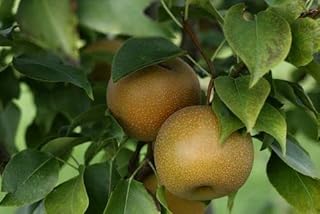
The Shinko Asian Pear Tree from DAS Farms Store is described as a three-foot-tall live fruit plant, shipped to customers ready to root into the ground. The listing notes that this deciduous plant may be bare in winter and that California orders are typically bare-root due to state regulations. It is suited to USDA zones 4 through 9, thriving in full sun. This compact size makes it an ideal option for small yards, patios, or garden beds with ample sun exposure. Prospective buyers should plan for seasonal leaf absence and confirm local planting regulations before purchase.
Korean Pear Tree (Asian Pear) In A 5-Gallon Pot

This Asian pear variety arrives as a 2-3 foot tree in a 5-gallon nursery pot. The listing notes a notable shipping restriction to several states (CA, AZ, AK, HI cannot be shipped). Thrives in USDA zones 5-9 and tolerates a broad climate range. Mature height is projected at 15-20 feet, offering significant vertical space for a productive landscape feature. Gardeners should verify state import rules and ensure soil and sun conditions support steady canopy development.
Chojuro Pear Standard: Dormant Bare Root Starter

Gurney’s Chojuro Pear Standard is marketed as a dormant bare-root starter tree. Instructions emphasize spacing (approximately 14 to 16 feet apart) and the importance of well-drained, fertile soil for best results. The tree is described to reach a standard mature height of 16 to 18 feet, suggesting this option is better suited to larger yards with room for growth and adequate airflow. State shipping restrictions may apply in some regions, so verify eligibility before ordering.
Shinko Asian Pear Tree — Five To Six Feet

This Shinko Asian Pear Tree from PERFECT PLANTS Store reaches 5-6 feet, with a special fertilizer blend and a planting guide included to support establishment. The combination of fertilizer and guidance aims to improve early vigor, fruit set, and overall tree health. While the listing highlights a ready-to-plant option, potential buyers should consider their local climate, pollination needs, and the availability of compatible rootstock to optimize fruit production.
Asian Pear Tree Seeds: Perennial Shrub Option

This listing provides Asian pear seeds, marketed as a perennial shrub option. Seed-based propagation can be rewarding for growers who prefer cultivation from the start, offering more control over root establishment and early root vigor. Prospective buyers should assess regional climate suitability, germination requirements, and the long-term commitment needed for orchard-like productivity. Seeds may require stratification and patience before fruiting, but can expand planting options in diverse landscapes.
Buying Guide: Key Purchase Considerations
- Climate and Hardiness: Verify USDA hardiness zones and sun exposure needs. Asian pear trees generally perform in zones 4–9, but local conditions (wind, rainfall, and heat) influence success.
- Tree Form and Size: Decide between standard trees, dwarf or compact forms, and ground cover or container-compatible options. Space and future growth are crucial for planning.
- Rootstock and Maturity: Bare-root versus potted stock affects establishment time. Mature height expectations guide where to plant and how far to space trees.
- Pollination: Some Asian pear varieties require cross-pollination for best yields. Check if a complementary pollinator is needed in your orchard layout.
- Shipping and Regulations: Some listings impose state-by-state shipping restrictions. Confirm eligibility to avoid order cancellations and ensure legal planting.
- Soil and Planting: Ensure well-drained soil and adequate sun. Follow planting guides and incorporate soil amendments to support root establishment.
- Maintenance: Consider irrigation needs, pruning requirements, pest and disease management, and fertilization regimes as part of long-term care.
- Fruit Quality and Harvest: Look for traits like crisp texture, storage life, and flavor profile when selecting varieties to match your preferences and kitchen use.
Choosing the right Asian pear tree involves balancing space, climate, and orchard goals. For small spaces, compact Shinko varieties can deliver fruit without overwhelming a yard, while larger yards benefit from standard bearers like Chojuro with ample canopy for shade and harvest. Whether you start from a rooted plant or seeds, proper site preparation and ongoing care will influence fruiting timelines and tree longevity.