Looking for a lawn that stays green with less watering and mowing? No-mow and drought-tolerant grass blends can deliver a lush appearance while cutting maintenance time. This guide reviews five top options, highlighting how they perform in sun, shade, and varying soil conditions. Each choice emphasizes low input needs, resilience, and suitability for American yards facing heat, dryness, and busy schedules.
| Product | Brand | Type |
|---|---|---|
| Twin City Seed Co. Eco Seed (Low Grow Fescue) Mix | Twin City Seed Co. | Fine fescues blend |
| Scotts Grass Seed Drought Tolerant Mix | Scotts | Tall fescue & Kentucky bluegrass mix |
| Earthwise No-Mow Low-Grow Lawn Seed Mix | Earthwise Seed Company | No-mow blend |
| No Mow Lawn Grass Seed | Marde Ross & Company | Low-mow turf grasses |
| No Mow Flowering Lawn Grass Seed | Marde Ross & Company | No-mow flowering lawn mix |
Twin City Eco Seed No-Mow Fine Fescue Blend

The Twin City Seed Co. Eco Seed offers a fine-textured fescue blend designed for low-maintenance lawns. It tolerates drought and adapts to a wide range of soils, from sandy to heavy clay. The mixture emphasizes slow growth, allowing mowing to be reduced or omitted with strategic maintenance. For unmown or lightly mowed areas, this blend supports a lush, compact turf that remains visually appealing while requiring limited fertilizer and irrigation. When allowed to grow, final height reaches about 10-12 inches, with regular mowing optional at a height of 2-4 inches.
Scotts Drought-Tolerant Mix for Kentucky Bluegrass & Tall Fescue

This Scotts seed mix combines tall fescue and Kentucky bluegrass to form a resilient lawn with deep roots. It’s engineered to require less water, making it suitable for drought-prone regions. The blend supports self-repair for bare spots and is ideal for initial lawn establishment or overseeding an existing lawn. Apply during spring or fall when temperatures range between 65°F and 85°F to optimize germination and turf development.
Mountain Valley Alternative Lawn Wildflower Mix

While primarily a wildflower mix, this no-mow, low-height blend serves as a drought-tolerant ground cover in lawn-replacement projects. It grows 12–16 inches tall, with low water needs and only one mowing per year. It supports pollinators including bees and butterflies, creating a biodiversity-friendly alternative to conventional lawns. Suitable for full sun to partial shade, it adapts well across zones 3–10 with fertile, well-drained soil.
Earthwise No-Mow Low-Grow Lawn Seed Mix

This Earthwise mix provides ½ pound coverage for about 200 square feet on bare ground or 500 square feet for overseeding. It’s designed for Zone 1–4 and 7, with partial shade and irrigation support during dry months. The turf tends to stay under seven inches, reducing mowing frequency while maintaining dense coverage and a vibrant green color year-round. It is suitable for small lawns, borders, or patch repairs where reduced maintenance is desired.
O.M. Scott Clover Seed For A Naturally Low-Maintenance Lawn

O.M. Scott & Sons Clover Seed focuses on premium strawberry clover to yield a greener lawn with less maintenance. Clover enhances nitrogen fixation from the air, reducing the need for synthetic fertilizers. It stays green longer during drought and is safe for households with children and pets when used as directed. This seed mix aims to establish a drought-tolerant, low-maintenance grass-like ground cover with the added benefit of nitrogen-rich soil over time.
Mountain Valley Micro Clover Seed For Low-Growth Lawn Alternatives

Mountain Valley’s micro clover seeds offer a drought-tolerant, no-mow lawn alternative with self-fertilizing properties. The tiny clover leaves stay compact at 4–6 inches tall, making it suitable for eco-friendly lawns and patch repairs. The mix is non-GMO and perennial across zones 3–10, with potential to reduce irrigation needs while supporting pollinators. It provides a distinct option for those seeking a green, low-maintenance ground cover beyond traditional grass.
No Mow Lawn Grass Seed – Low-Mow Option
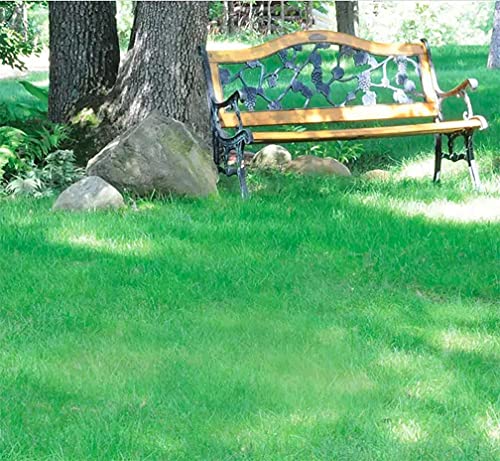
This mix emphasizes low-growth, fine-textured turf grasses designed to tolerate drought with minimal mowing. The seeds provide a thick, green lawn that can be left to grow with minimal maintenance, or mowed every four to six weeks for a cleaner look. It’s a direct sow option, crafted by a long-standing California nursery, suitable for homeowners seeking a time-saving, drought-conscious landscape.
No Mow Flowering Lawn Seed Mix
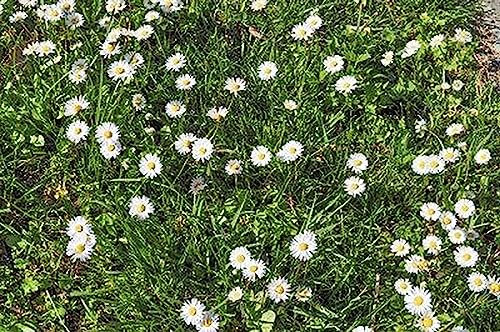
Designed as a no-mow flowering lawn blend, this mix offers a lush, green ground cover with low-maintenance requirements. It combines low-growing turf grasses with flowering elements to create a visually appealing, bee-friendly landscape. The seeds are intended for direct sowing on cultivated soil without grass or weeds, enabling an easier transition to a more sustainable yard.
Buying Guide: Key Purchase Considerations
- Climate and zone compatibility: Choose blends that match your USDA hardiness zone and typical summer temperatures. Drought tolerance is highly variable; confirm local performance expectations for your area.
- Maintenance goals: Determine whether you want a no-mow, low-mow, or wildflower-forward lawn. Some mixes offer pollinator benefits, others emphasize dense ground cover with minimal mowing.
- Soil and sun exposure: Assess soil drainage and sunlight. Fine fescues and bluegrass-tall fescue blends often require moderate sun, while clover-rich mixes may tolerate more shade or slightly poorer soils.
- Watering requirements: Drought-tolerant blends typically need less water but still benefit from initial establishment irrigation. Plan for establishment care before switching to reduced watering.
- Germination and establishment: Seed rate, germination time, and recommended sowing windows (spring or fall) influence how quickly you’ll see a full lawn. Some blends favor overseeding existing turf.
- Longevity and maintenance trade-offs: No-mow options reduce mowing but may require one annual cut or occasional trimming. Flowering mixes can create biodiversity but may involve more seasonal maintenance.
- Pet and family safety: Check ingredients and any fertilizer or pesticide restrictions to ensure a safe environment for kids and pets when used as directed.
- Environmental impact: Ground covers like clover fix nitrogen, reducing the need for synthetic fertilizers and contributing to soil health and pollinator habitats.
When selecting a no-mow, drought-tolerant option, consider how you use your yard, your local rainfall patterns, and how much time you’re willing to invest in initial establishment versus ongoing maintenance. A mixed approach—combining a drought-tolerant turf with pollinator-friendly wildflowers or clover—can yield a resilient, low-input landscape well-suited for American homeowners.