Creating a low-maintenance, vibrant landscape can start with a thoughtfully chosen seed blend. This article highlights five well-suited wild meadow and native grass seed options, detailing how each supports colorful blooms, drought resilience, and easy care. Explore blends that seed themselves year after year and those tailored for slopes, sandy soil, or warm climates.
| Product | Brand | Key Benefit | Ideal For |
|---|---|---|---|
| Jonathan Green (12384) Wildflower & Meadow Grass Mix | Jonathan Green Store | 25+ wildflowers with hard fescue; reseeds | Slopes, poor soil, natural landscapes |
| Outsidepride Perennial Short Native Grass Seed Mix | Outsidepride Store | Drought- and heat-tolerant; low maintenance | Southern lawns and sunny, dry areas |
| American Meadows Ryegrass | American Meadows Store | Fast-growing annual grass; overseeding | Improving established lawns |
| Jonathan Green Blue Panther Bermudagrass | Jonathan Green Store | Aggressive, dense growth; heat and cold tolerant | Southern lawns with high use |
| Outsidepride Indian Native Grass Seed | Outsidepride Store | Long season color; tall ornamental grass | Ornamental borders and prairie landscaping |
Jonathan Green Wildflower & Meadow Grass Mix

The seed blend blends over 25 annual and perennial wildflowers with hard fescue and birdsfoot trefoil. It creates a natural landscape with relatively low maintenance, making it suitable for areas that require less mowing and ongoing color. The annual wildflowers bloom in the first year, while perennials reseed to provide color in subsequent seasons, enhancing year-to-year appeal. This mix is especially well-suited for slopes and poorer soils where traditional lawns are difficult to establish.
Outsidepride Perennial Short Native Grass Seed Mix
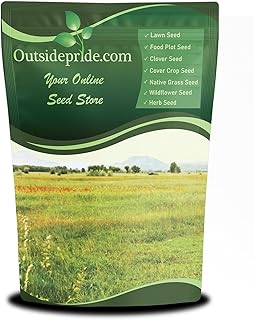
This premium southern grass seed blend features resilient native grasses designed for warm climates. The mix supports low-growing, drought-tolerant lawns that stay lush with minimal maintenance. It is tailored for sandy or sunny soils and is ideal for creating a natural-looking lawn that seldom needs mowing or fertilizing, while staying below 12 inches in height in typical conditions.
American Meadows Ryegrass

This ryegrass provides fast germination and robust growth, making it suitable for overseeding established lawns. It adapts to a range of light conditions from sun to partial shade, helping to quickly fill in bare spots and improve turf density.
Jonathan Green Blue Panther Bermudagrass

Blue Panther Bermudagrass is formulated for southern lawns, offering aggressive growth and dense turf. It is hardy in heat and tolerates cooler periods, reducing the need for frequent overseeding. This warm-season seed is suitable for high-use areas and athletic spaces seeking a durable, resilient lawn.
Outsidepride Indian Native Grass Seed

This perennial prairie grass seed adds seasonal color, transitioning from rich green in summer to striking yellow-bronze in fall, with color retained into winter. The tall growth is ideal for ornamental borders and prairie-inspired landscapes, and it adapts to diverse soils and light conditions, including full sun and partial shade.
Buying Guide
- Climate suitability: Choose mixes designed for your region—cool-season blends for temperate areas and warm-season blends for hotter climates. Consider drought tolerance for low-water landscapes.
- Soil type and drainage: Soils with poor drainage or sandy textures can benefit from native or native-inspired mixes that tolerate varied moisture levels.
- Maintenance expectations: If you want minimal mowing, select mixes that stay under 12 inches tall or seed-to-reseed cycles that reduce upkeep.
- Flower and grass balance: For visual year-round interest, combine grasses with flowering perennials that reseed or provide seasonal color.
- Seed vigor and reseeding: Annuals provide initial color, while perennials and native grasses can reseed to maintain future blooms and structure.
- Soil preparation and sowing window: Follow package recommendations for soil preparation, slope handling, and optimal sowing times to improve germination success.
- Invasiveness and ecology: Prefer native or well-adapted blends to support local wildlife and reduce the spread of aggressive species.
- Foot traffic and use-case: For high-traffic areas, select dense, durable grasses or bermudagrass blends designed for wear resistance.