Seed starting is a critical step in building strong, productive gardens. The right cell packs help roots develop, reduce transplant shock, and simplify care from germination to growth. Below are five highly compatible seed starter trays that suit a range of plant types—from flowers to vegetables. Each option emphasizes root health, durability, and user-friendly features to support both beginner and experienced gardeners.
Summary of selected products:
- Seed Starter Trays 300 DEEP Extra Large Cells Total (50 Trays of 6 Cells Each) — Flexible de-potting design.
- The Hydroponic City Seed Starter Trays, 216-Cell (36 Trays) — Promotes healthy roots; durable and reusable.
- The Hydroponic City Seed Starter Tray, 720 Cells (120 Trays) — Deep, square cells for robust roots; reusable.
- 5PCS 60 Cell Self Watering Seed Starter Tray with Grow Light — Self-watering, built-in LED grow lights, reusable silicone cells.
- Gardzen 30 Pack 6-Cell Seed Starting Tray — Durable, drainage holes, design aids even moisture distribution.
Seed Starter Trays 300 Deep Cells — Extra Large

The Seed Starter Trays 300 Deep Cells feature larger root space per cell, designed to support healthier root systems before transplanting. The unit comprises 50 trays with 6 cells each, enabling batch germination for larger projects. The trays are noted for flexibility during de-pottings, which can reduce root damage when potting into larger containers. While often used for single-season projects, the deep cells foster sturdy seedlings ideal for tougher plants.
Key considerations include sizing compatibility with standard transplant containers and the expected single-use nature of the trays in many setups. For growers who start many seeds at once, these trays streamline early-stage gardening and minimize transplant shock by providing ample root room from day one.
The Hydroponic City Seed Starter Trays — 216 Cells

These 216-cell seedling trays (36 trays, 6 cells each) are designed to promote healthy root development, with each cell measuring 1.5 inches square and 2.25 inches deep. The design supports robust starter roots, giving seedlings a strong start for vigorous growth. The trays are crafted for durability and reuse, which aligns with sustainable gardening practices. They accommodate a broad range of seeds, including flowers, herbs, succulents, and vegetables, making them a versatile option for varied gardening goals.
Considerations include the balance between cell size and plant type; deeper cells support deeper roots, while square layouts can help with even moisture distribution. Reusability adds value for long-term planning and repeated growing cycles.
The Hydroponic City Seed Starter Tray — 720 Cells
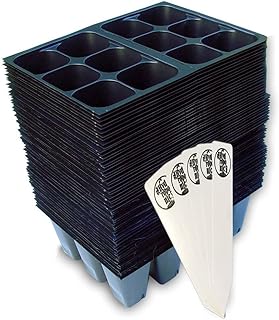
This seed starter system provides 720 cells across 120 trays, with each tray offering 6 cells. The 1.5 inch square by 2.25 inch deep cells encourage strong root systems, establishing a solid foundation for growth. The trays are designed for reuse and durability, making them suitable for multiple planting seasons. They are adaptable for various seeds, including flowers, herbs, vegetables, and succulents, helping gardeners manage larger or more diverse projects efficiently.
Practical notes include keeping trays clean between uses and ensuring compatibility with standard propagation setups. Durable materials reduce replacement costs while supporting scalable seed-start operations.
5PCS 60 Cell Self-Watering Seed Starter Tray — Grow Light Kit

This 5-pack features a self-watering design of 60 cells per tray, plus an integrated grow light system. The 8-LED lamp provides full-spectrum light to promote photosynthesis, with red and blue channels enhancing growth, while white light simulates natural daylight. The kit includes multiple light modes and brightness levels, along with timer options, making it convenient for busy gardeners or those without consistent sun exposure. The silicone cells are flexible, reusable, and designed to protect delicate roots during harvesting.
Considerations include electricity use, light scheduling, and the initial investment in a grow light-enabled setup. The self-watering capability can help maintain steady moisture, reducing watering frequency and supporting steady germination conditions.
Gardzen 30 Pack 6-Cell Seed Starting Tray

Gardzen’s 30-pack delivers six-cell trays with 1.5-inch square by 2.2-inch deep cells. The design includes drainage holes to prevent overwatering and a top guide channel to help distribute moisture evenly to each cell. The trays are built for durability and are suitable for repeated use across seasons, supporting ongoing seed-start projects. The compact size makes them ideal for windowsills, greenhouses, and small gardening setups.
Key considerations include moisture management, ease of cleaning, and compatibility with standard seed-starting practices. The drainage-focused design supports healthy germination while preventing root rot in overwatered conditions.
Buying Guide
Cell size and depth: Larger cells support more established root systems, reducing transplant shock, while smaller cells allow for more seeds per tray. Consider the plants you grow and whether you’ll transplant early or rely on careful sowing in smaller pots.
Durability and reuse: Reusable trays save money and waste. Look for trays made from sturdy plastics or silicone that tolerate frequent handling and cleaning. Durability matters for long-term projects or recurring seasons.
Moisture management: Trays with drainage holes and uniform cell bottoms help prevent overwatering and promote even moisture. Self-watering options can be beneficial for busy schedules, though they may require monitoring to avoid soggy conditions.
Root development: Deep or square cells can encourage robust roots. If you’re growing root-heavy plants, prioritize deeper cells to minimize root binding during transplant.
Versatility: A tray that accommodates a wide range of seeds (flowers, herbs, vegetables, succulents) provides flexibility for multi-season use and experimentation with different crops.
Care and maintenance: Easy-to-clean trays reduce disease risk and prep time between plantings. Consider silicone or durable plastic materials for longevity and easy de-potting when needed.