Finding the right small gas powered garden tiller helps gardeners prep beds quickly without taxing your back. This guide highlights five compact options—three gas-powered models for tougher soils and two electric or cordless options for lighter tasks. Each product presents a balance of maneuverability, depth, and ease of use. Compare features side-by-side to choose a tiller that fits your garden size and soil type, from sandy plots to clay-rich beds.
| Product | Power | Working Width | Depth | Best For |
|---|---|---|---|---|
| Saker 22V Cordless Electric Garden Tiller Cultivator | Cordless (2 Batteries) | 9 inches | 6.3 inches | Light tilling and weed reduction |
| Electric Tiller for Gardening (Patoolio Store) | 1800W | 18 inches | 9 inches | Large beds and soil preparation |
| 62cc Gas Tiller Cultivator | Gas | 10 inches | Varies | Heavy clay and compacted soil |
| BILT HARD 46cc Gas Powered Tiller Cultivator | Gas | 16 inches | 8 inches | Medium to large garden beds |
| Cordless Tiller Cultivator (Battery) | Battery powered | 9.5 inches | 6.7 inches | Light-to-mid soils, quick setup |
62cc Gas Tiller Cultivator

The 62cc gas-powered tiller provides robust performance for tougher soils. With a 10-inch working width, it targets compacted clay and dense beds efficiently. The model emphasizes steady pull-start operation and a design that supports easy maneuvering through uneven plots. Its 2-cycle style favors straightforward maintenance and reliable power for seasonal tilling and bed preparation.
BILT HARD 46cc Gas Powered Tiller Cultivator
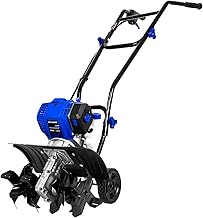
This tiller uses a 46cc 4-stroke engine to deliver up to 1,400W peak power at high RPM, with 6 steel forward-rotating blades and 4 angled tines. It offers a 16-inch working width and an 8-inch tilling depth for efficient bed preparation, weed disruption, and soil turning. An ergonomic, one-handed control setup aims to reduce fatigue during extended sessions in medium-to-large gardens.
Electric Tiller for Gardening (Patoolio Store)

Designed for larger beds, this electric tiller features an 18-inch width and 9-inch depth, powered by an 1800W motor. It’s suited for loosening soil, breaking up medium to slightly compacted soil, and blending organic matter. The 24 reinforced steel blades promise consistent tilling and thorough soil aeration, enhancing seedbed quality for vegetables and ornamentals alike.
Saker 22V Cordless Garden Tiller

The Saker cordless tiller offers a lightweight approach with two batteries for extended runtimes. It is suitable for small to medium plots where gas engines aren’t preferred. While less powerful than gas models, it excels in quick bed preparation, weeding, and soil aeration in lighter soils and raised beds. Battery-powered operation also reduces noise and emissions, making it a practical option for suburban gardens.
Buying Guide: Key Considerations For Choosing A Small Gas Powered Tiller
- Soil Type And Garden Size: Heavier soils (clay) benefit from deeper tilling and stronger gas engines, while lighter soils suit smaller gas or electric models. Match width and depth to your bed size to avoid over- or under-tilling.
- Engine Size And Power: Gas engines from 40cc to 62cc balance power with ease of use. Larger engines handle tough soils but may be heavier and harder to start in cold weather.
- Tine Configuration: Forward-rotating blades with multiple tines improve mixing, aeration, and weed disruption. Consider models with six or more tines for better coverage.
- Starting Mechanism: Look for easy-start features, such as recoil with a smooth pull or primer systems. Self-propelled variants reduce user fatigue on larger plots.
- Portability And Ergonomics: A comfortable handle, adjustable height, and wheels can significantly affect usability, especially for new gardeners or sloped terrain.
- Maintenance And Fuel: 2-stroke engines often mix oil with fuel, while 4-stroke engines require separate oil and gas. Consider user-maintenance needs and available spare parts.
- Noise And Emissions: Electric or cordless models produce less noise and no exhaust, which may be preferable for shared spaces or near neighbors.
- Price Of Ownership: Beyond the upfront price, factor in maintenance, replacement tines, and fuel consumption when evaluating total cost.
- Warranty And Support: Check warranty length and accessibility of service centers to minimize downtime during the gardening season.
In summary, the right tiller balances soil conditions, plot size, and user comfort. Gas-powered models deliver stronger ground penetration for stubborn soils, while electric or cordless options offer lighter, quieter operation for smaller beds. Analyze your garden’s demands, then select a tiller that optimizes efficiency and ease of use for ongoing seasonal prep.