If you’re planning a home orchard or a vibrant landscape feature, Black Tartarian cherry trees offer deep purple-black fruit, ornamental value, and seasonal interest. This guide highlights five readily available options, all suitable for American gardens. Each profile includes key growing notes and what to expect from their fruit and care. Consider climates, space needs, and legal shipping restrictions when selecting trees for your yard or garden.
| Product | Size/Type | Notes |
|---|---|---|
| Generic Black Tartarian Fruiting Cherry Tree | 5 gal, Nursery Pot | Due to laws, not ship to CA, AZ, AK, HI |
| GURNEY’S Black Tartarian Cherry Dormant Bare Root Starter | Bare Root Starter | Restrictions apply (CA, CO, ID, MT, OR, WA) |
| Cherry Fruiting Tree (Black Tartarian, 7 gal.) | 7 gal. | Shipping restrictions apply |
| 4 Black Cherry Trees Live Plants (12-18 Inch) | Bareroot Dormant, 4-pack | Ideal for home orchards and landscapes |
| 2 Black Cherry Tree Seedlings (3-4 ft) | Bare Roots | Suitable for containers or landscape planting |
Generic Black Tartarian Fruiting Cherry Tree

Type and size: A 5-gallon nursery pot variety, noted for producing deep purple-black cherries. It is a deciduous tree suited to USDA zones 5 through 8, offering robust fruiting potential across a broad climate range. While shipments face restrictions to certain states, this option remains a common choice for many American yards. Care emphasizes well-drained soil and full sun exposure to maximize fruit production and tree health.
Growing considerations: Expect sweet, juicy cherries ideal for fresh snacking, baking, or preserves. Regular watering during establishment and mulching to retain soil moisture help establish the tree faster. Fertilization should follow a seasonal schedule, avoiding excessive nitrogen late in the growing season to prevent late-season growth that can hamper fruit set.
GURNEY’S Black Tartarian Cherry Dormant Bare Root Starter

Type and size: A dormant bare root starter cherry tree, typically 2 to 4 feet tall, designed for quick establishment when planted in prepared ground. Spacing recommendations suggest placing trees 12 to 15 feet apart to allow air circulation and light penetration. Plant in moist, well-drained, sandy soil for best results. California and several western states may be restricted for shipping.
Growing considerations: Bare root stock requires careful handling—keep roots moist during transit and plant promptly. Water consistently during the first growing season and monitor for signs of stress. Pruning helps shape the canopy and focus energy on fruiting wood. Soil health, sunlight, and irrigation are critical for a strong, productive tree in the first year.
Cherry Fruiting Tree (Black Tartarian, 7 gal.)

Type and size: A 7-gallon cherry tree, typically offered with shipping restrictions to certain states. This size provides a mature-feel presence in landscapes while accelerating fruit production compared to smaller bareroot stock. Expect deep, dark fruit with a firm texture once established.
Growing considerations: Plant in a sunny, well-drained site with consistent moisture management. Pruning after planting helps to establish a strong framework for fruiting limbs. Keep an eye on pest and disease pressure common to cherry trees in your region, and consider local extension resources for integrated management strategies.
4 Black Cherry Trees Live Plants (12-18 Inch)
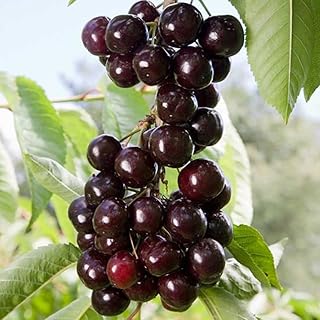
Type and size: A set of four live black cherry trees, bare root and dormant for strong establishment. The plants arrive leafless, ready to put energy into root and canopy development. This option suits home orchards seeking a rapid multi-tree setup. Fruit tends to be large, dark-black, firm, and sweet when trees mature.
Growing considerations: Space trees 12 to 15 feet apart to ensure good air flow and light distribution. Provide well-drained soil and regular moisture, with attention to irrigation during dry spells. This multi-plant option is well-suited for landscape design in yards that can accommodate multiple fruiting specimens.
2 Black Cherry Tree Seedlings (3-4 Ft)

Type and size: A duo of bare-root, winter-dormant cherry tree seedlings suitable for containers or landscape planting. Each tree stands 3 to 4 feet tall, offering a manageable starting point for smaller spaces.
Growing considerations: Fruit production will depend on pollination and climate suitability. Plant in sun with moderate soil moisture and provide mulch to protect roots. Container growing is possible with large, well-draining pots and careful watering to avoid root rot in restricted root space.
Buying Guide: Key Purchase Considerations For Black Tartarian Cherry Trees
- Climatic suitability: Black Tartarian varieties generally perform well in USDA zones 5–8. Verify your local climate and whether your chosen stock has any state shipping restrictions.
- Stock type and size: Bare root stock establishes quickly but requires careful handling; potted or nursery pot stock can be easier to plant and manage for beginners. Larger sizes often yield fruit sooner but need more space and care.
- Pollination and arrangement: Some cherry varieties rely on cross-pollination for optimal fruiting. Plan spacing and consider planting multiple trees if pollination partners are limited by climate or shipping restrictions.
- Soil and site conditions: Well-drained soil and full sun are essential. Sandy or loamy soils with adequate moisture retention support healthy growth and fruit development.
- Watering and maintenance: Consistent irrigation during establishment and ongoing care, with mulching to preserve soil moisture, promotes tree vigor. Pruning shapes structure and improves air flow, reducing disease risk.
- Pest and disease awareness: Cherry trees can be susceptible to borers, aphids, and brown rot in humid regions. Implement monitoring and, if needed, region-appropriate integrated pest management strategies.
- Legal and shipping considerations: Some listings restrict shipping to specific states. Confirm eligibility before purchase to avoid doorstep delivery issues.
- Container versus landscape use: If space is limited, choose smaller, container-appropriate varieties or plant them in large pots with sufficient root space and drainage.