Growing vegetables, herbs, and flowers in raised beds benefits from a high-quality soil mix. The right blend supports drainage, moisture retention, and nutrient availability for robust root growth. Below, five top-rated soil mixes designed for raised beds and containers are explored, with key features to help you compare options for organic and sustainable gardening.
Summary Table of Selected Products
| Product | Brand | Key Benefit |
|---|---|---|
| Espoma Organic Raised Bed Mix | Espoma Store | Organic, earthworm castings, mycorrhizae for established root health |
| FoxFarm Raised Bed Planting Mix | FoxFarm Store | Ready-to-use, moisture-retentive blend for raised beds & containers |
| Wakefield Biochar Blend with CarbonBoost | Wakefield Biochar Store | Enhanced water retention, microbial activity, biochar benefits |
| Wiggle Worm Raised Bed Mix | Wiggle Worm Store | Composted mix with worm castings and worm eggs for soil biology |
| Miracle-Gro Potting Mix | Miracle-Gro Store | Long-lasting fertilizer providing up to six months of feeds |
Espoma Organic Raised Bed Mix

The Espoma Organic Raised Bed Mix is designed specifically for raised beds and outdoor containers. It combines natural ingredients with earthworm castings, alfalfa meal, kelp meal, and feather meal to support plant growth. A proprietary mycorrhizal blend (MYCO-TONE) helps establish beneficial fungi in the root zone, promoting nutrient uptake and drought tolerance. This mix aims to provide a balanced, organic-growing medium suitable for vegetables and herbs.
FoxFarm Raised Bed Planting Mix
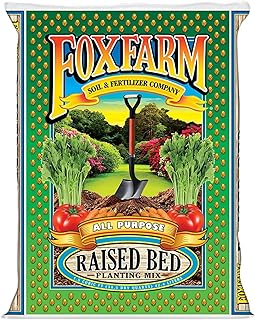
FoxFarm’s Raised Bed Planting Mix is a ready-to-use blend that blends earthworm castings with oyster shell, designed for vegetables, herbs, and fruits grown in raised beds or containers. Its moisture-retaining properties help maintain a stable moisture level around roots, while ensuring proper drainage to prevent overwatering. The formula targets gardeners who want a simple, effective soil mix with robust performance in a variety of raised-bed setups.
Wakefield Biochar Blend With CarbonBoost

This soil mix emphasizes an advanced soil health system using CarbonBoost technology and biochar to improve aeration, reduce compaction, and boost microbial activity. It is designed to enhance water and nutrient retention, potentially reducing irrigation frequency. The blend includes a bio-active probiotic and mycorrhizae to promote root growth and nutrient uptake, making it suitable for vegetables, ornamental plants, and houseplants in raised beds or containers.
Wiggle Worm Raised Bed Mix

The Raised Bed Mix from Wiggle Worm combines high-quality compost soil with worm castings and worm eggs. It acts as an all-in-one planting media—providing improved water retention, aeration, and a microbe-rich environment. Worm eggs may hatch after application, potentially increasing earthworm activity and natural soil aeration, which supports robust root systems over the growing season.
Miracle-Gro Potting Mix

Miracle-Gro Potting Mix is formulated for container plants and features extended feeding, supporting blooms for up to six months. While designed for a broad range of container plantings—including annuals, perennials, vegetables, herbs, and shrubs—the product emphasizes sustained fertilization, which can reduce the need for frequent top-ups in containers and raised beds alike.
Buying Guide: Key Considerations for Raised Bed Soil Mixes
- Organic certification and inputs: Look for blends labeled organic or with natural amendments, such as worm castings, kelp meal, or mycorrhizae, if you prioritize organic gardening and nutrient source transparency.
- Water retention vs. drainage balance: Raised beds require both moisture management and air pathways. Mixes with biochar, perlite, or coconut coir can improve this balance; avoid overly dense mixes that compact easily.
- Soil biology and nutrition: Probiotic blends and mycorrhizal inoculants support root health and nutrient uptake. Consider products that emphasize microbial life and soil food web activity.
- Vomitive risks and pets: Some blends include oyster shell or limestone; verify pH implications if you have specific crop needs or soil tests.
- Plant-specific performance: For vegetables and herbs, choose mixes designed for raised beds or containers, as they’re engineered to work in shallow-root environments with consistent irrigation.
- Application and maintenance: Ready-to-use blends save prep time but verify whether you need to amend with slow-release fertilizer or mulch for long-term feeding.
- Environmental impact: Biochar and worm-based mixes often provide long-term soil structure benefits and microbial diversity, which can contribute to sustainable gardening practices.
In selecting a raised bed soil mix, compare the blend components, the presence of beneficial organisms, and how the mix aligns with your crop plans and irrigation regime. For organic gardeners, prioritize blends with certified ingredients and proven mycorrhizal effectiveness. For ornamental or mixed plantings, moisture retention with quick drainage often yields the best overall performance. Always follow planter depth recommendations and adjust watering based on weather and plant needs.