Explore top blue iris options that are both attractive and easy to grow. This guide highlights five seeds and plants that suit American gardens, support pollinators, and provide reliable blooms from spring into early summer. Each selection includes native and open-pollinated varieties, so you can enjoy vibrant blues while encouraging butterflies and bees in your landscape.
| Product | Brand | Notes |
|---|---|---|
| Sow Right Seeds Wild Blue Iris Seed | Sow Right Seeds Store | Native blue iris from seed; blooms second year; pollinator-friendly |
| Created By Nature Wild Iris Seeds, 400 Purple | Created By Nature Store | Easy-to-grow seeds; 60–90 day bloom window after planting |
| Seed Needs Wild Blue Iris Seeds | Seed Needs Store | Western North America native; 2–9 USDA zones; moist to wet soil |
| Siberian Iris Caesar’s Brother (Perennial) | Perennial Farm Marketplace Store | Deep blue-violet Siberian iris; drought-tolerant once established |
| Caesars Brother Blue Siberian Iris Bulbs | Holland Bulb Farms Store | Premium bulbs; deep purple-blue blooms; good for cut flowers |
Note: Each product focuses on blue or blue-violet iris varieties suitable for American climates, with diverse cultivation needs from seeds to live bulbs. Consider your sun exposure, soil moisture, and whether you prefer perennials or annuals to determine the best fit for your garden plan.
Wild Blue Iris Seed From Sow Right Seeds

Beautiful full-color seed packet featuring Iris missouriensis, a North American native perennial with pale blue blooms accented in white and yellow. This seed packet provides an accessible route to attracting pollinators while adding natural color to borders, beds, or meadow-inspired plantings. Each packet carries sufficient seed quantity (minimum 750 mg, roughly 85 seeds) for small gardens or multiple sowing sites.
Growing and care notes highlight a 28–35 day germination window when soil is between 70–75°F. Plant seeds 1/8 inch deep and space about 12 inches apart in full sun. Expected mature height ranges from 3–6 feet with a 1–1.5 foot spread. Flowers typically appear in the second year after sowing, supporting seasonal interest and ongoing nectar sources for pollinators.
Created By Nature Wild Iris Seeds, 400 Purple

This collection features Wild Iris (Iris missouriensis) seeds, offering 400 seeds per packet. Designed for borders, beds, or naturalized meadows, these hardy perennials deliver color and ecological value. The seeds are non-GMO and sourced in the USA, focusing on high germination rates to establish vibrant wildflowers that thrive in diverse regions.
Germination timing varies by climate, generally enabling blooms within the growing season after sowing. The seeds support easy, low-maintenance gardening with naturalization potential for larger landscapes or pollinator-friendly corridors.
Seed Needs Wild Blue Iris Seeds

This selection emphasizes a Western North American native iris, suitable for moist meadows, marshes, and stream banks. The plant grows 1–2 feet tall with slender blue-green sword leaves and pale to deep blue-violet flowers featuring yellow-white signals and purple veins. Blooms appear May through July, providing peak nectar for pollinators.
Grows best in full sun to part shade with consistently moist to wet spring soils; tolerates drier conditions later. It is hardy in USDA zones 2–9 and tends to spread to form colonies, supporting long-term garden structure and pollinator habitats.
Caesar’s Brother Siberian Iris (Perennial)
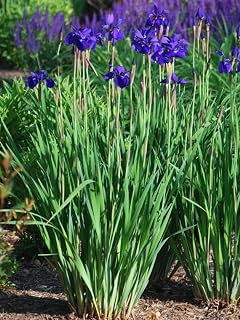
This Siberian iris variety features deep blue-violet flowers on sturdy stems, typically growing to about 36 inches. It is a rugged, easy-to-grow perennial that thrives in full sun to part sun and helps suppress weeds as clumps enlarge. It flowers in June and has strong root systems that contribute to drought resilience once established.
Note that some shipments may be restricted by location due to regulatory considerations. Plant spacing is recommended around 18 inches to allow growth while minimizing competition with neighboring plants.
Caesar’s Brother Blue Siberian Iris Bulbs (5 Roots)

Live bulb roots offer a straightforward way to establish vibrant blue Siberian irises. This pack contains five premium No. 1 size roots, suitable for creating striking borders or accent plantings. The deep purple-blue blooms emerge in late spring, rising above a clump of grass-like leaves that remain attractive after flowering, contributing to the garden’s visual interest through summer and fall.
These bulbs are noted for cut-flower potential and for providing reliable color for garden beds and naturalized spaces. They complement temple-like greenery and can be combined with other spring blossoms for a layered garden effect.
Buying Guide
Key considerations when selecting iris varieties for a blue color palette and pollinator-oriented garden:
- Growth habit: Seed-grown irises may take longer to bloom but offer a cost-effective way to expand color; bulb or root options provide quicker rewards and reliability in established beds.
- USDA hardiness: Check zones to ensure the cultivar fits your climate. Siberian irises generally tolerate a wide range, while some wild iris seeds are best in zones 5–9.
- Moisture needs: Many blue irises prefer consistently moist soil, particularly during spring; others tolerate drier summers once established. Plan irrigation accordingly.
- Sun exposure: Most blue irises perform best in full sun but can tolerate light shade in hotter regions. Ensure adequate light for prolific blooming.
- Pollinator value: Choose nectar-rich varieties to attract hummingbirds and beneficial insects, supporting garden biodiversity and pest control.
- Maintenance: Siberian irises are typically low-maintenance and weed-suppressing when grown in clumps; wild iris seeds may require stratification or specific germination conditions depending on your locale.
- Year-to-year behavior: Perennial irises persist for many seasons; consider companion perennials that complement their blue tones and provide continuous color.
- Bloom timing: Plant selection may differ in bloom window; plan a staggered arrangement to maintain color from spring through early summer.
Comparison at a Glance
- Seed options: Offer cost-efficient routes with longer lead times before bloom and potential naturalization benefits.
- Bulb/live roots: Provide quicker bloom and reliable color, with strong cut-flower potential in some cultivars.
- Hardiness and moisture: Vary by variety; choose based on local rainfall patterns and soil drainage.
- Pollinator impact: Most listed varieties attract pollinators; confirm local wildlife preferences and garden layout to maximize impact.