Multi-graft citrus trees require balanced nutrition to support multiple fruiting varieties on a single rootstock. This guide reviews five Amazon options that supply essential macronutrients and micronutrients, promote strong root development, and support fruit production. Each product is evaluated on NPK balance, compatibility with potted and outdoor trees, and ease of use for gardeners growing citrus with multiple grafts.
| Product | NPK Focus | Best For | Form |
|---|---|---|---|
| Liquid Lemon Tree Fertilizer by Perfect Plants | 6-3-3 | Fast-acting nourishment for potted or outdoor lemon trees | Liquid |
| Jobe’s Organics Garden Fertilizer Spikes | 3-5-5 | Slow-release, low-muss treatment with organic formula | Spikes (organic) |
| BioAdvanced 3-in-1 Fruit, Citrus & Nut Tree Spray | — (pest/disease control) | Integrated pest and disease protection | Spray |
| HiThrive Citrus Fertilizer (32 oz) | 4-3-6 | Balanced nutrition with micronutrients for vigorous growth | Liquid |
| TPS NUTRIENTS Lemon Tree Fertilizer (32 oz) | — (balanced for lemons) | Targeted citrus nutrition for lemon trees | Liquid |
Note: All products listed are compatible with citrus trees and can be used for multi-graft setups, but always follow label directions for dilution and application frequency to avoid over-fertilizing mixed grafts.
Liquid Lemon Tree Fertilizer For Fast Growth
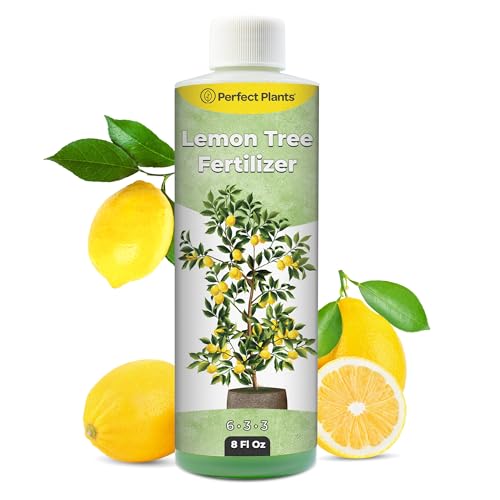
This liquid plant food offers a balanced 6-3-3 NPK with micronutrients like zinc and manganese. It is designed to support fruit production for Meyer lemons and other citrus varieties in pots or in-ground planting. Use 2 tablespoons per 1 gallon of water, then water evenly over the soil to nourish roots and promote bloom and fruit formation.
Jobe’s Organics Garden Fertilizer Spikes

These OMRI-listed organic fertilizer spikes are formulated with a 3-5-5 NPK blend to support fruiting citrus plants while minimizing runoff and odor. They provide steady nutrients over time and require no mixing, making them convenient for multi-graft trees in beds or containers.
BioAdvanced 3-in-1 Citrus & Nut Tree Spray

This ready-to-use spray delivers triple protection: insect control, disease control, and mite suppression with a single application. It targets pests such as caterpillars, aphids, and mites while helping prevent common diseases like black spot and powdery mildew, which can impact multi-graft trees.
HiThrive Citrus Fertilizer (32 oz)

This 4-3-6 NPK formula provides nitrogen for lush foliage, phosphorus for strong root development, and potassium for flavorful fruit. It includes micronutrients like calcium, magnesium, and zinc to support healthy growth in citrus trees, including multi-graft specimens, whether potted or in-ground.
HiThrive 16oz Citrus Fertilizer

The 4-3-6 formulation in a smaller bottle provides robust nourishment for lemons and other citrus varieties. It emphasizes growth and fruit production, with micronutrients to support steady development across multiple grafted varieties on a single tree.
Buying Guide for Multi-Graft Citrus Trees
- NPK Balance: Look for products with balanced NPK ratios that support both vegetative growth and fruit development. For multi-graft trees, a slightly higher nitrogen early in the season can promote foliage, while adequate phosphorus and potassium support root health and fruiting across grafted sections.
- Water Compatibility: Liquid formulas are fast-acting and easy to adjust, while granular spikes provide extended release. Choose based on how often you can water and apply fertilizers in your routine.
- Micronutrients: Ensure micronutrients like zinc, manganese, calcium, and magnesium are included, as citrus trees benefit from trace elements to prevent deficiencies across multiple grafts.
- Organic vs Synthetic: Organic options (OMRI-listed spikes) reduce runoff and are slower-acting, which can suit individuals seeking lower maintenance. Synthetic liquid fertilizers work well for rapid responses but may require more careful dilution.
- Spray vs Soil Application: For multi-graft trees, combine soil-applied fertilizers with targeted sprays for pest and disease management, especially if grafted sections show uneven vigor or pest pressure.
- Container vs Landscape: For potted citrus, ensure the product is suitable for container use and doesn’t burn roots at typical watering frequencies. For landscape trees, consider slow-release formats to minimize leaching in heavy rains.
- Application Schedule: Follow label instructions for frequency and dilution. Avoid over-fertilization, which can cause excessive vegetative growth at the expense of fruiting and may stress graft unions.
- Environmental Impact: Choose products with reduced runoff potential when possible, particularly in rain-prone regions to protect neighboring beds or waterways.