Yellow stonecrop sedum plants offer vibrant color, drought tolerance, and low maintenance ideal for rock gardens, green roofs, and sunny borders. This guide highlights five top-performing varieties and related plants, drawn from reliable sellers, to help gardeners choose the best options for midsummer color and year-round interest. Each selection includes hardiness, sun needs, and growth habits to support site planning and plant compatibility. Explore options ranging from compact groundcovers to vigorous mats, all sharing the bright yellow bloom trait that brightens slopes, walls, and containers.
Summary of Selected Products
| Product | Brand | USDA Hardiness | Sun | Growth | Notes |
|---|---|---|---|---|---|
| Sedum kamtschaticum Groundcover | Perennial Farm Marketplace | Zones 3-9 | Full Sun | 4″ tall, creeping foliage | Yellow flowers in early summer; bronze fall foliage |
| Rock ‘N Round Bright Idea Stonecrop | Proven Winners | Zones 3-9 | Full Sun | 10-12″ tall, 16-20″ wide | Yellow flowers, green foliage |
| Sedum t. Coral Reef Groundcover | Perennial Farm Marketplace | Zones 4-8 | Full Sun | 4-6″ tall mats | Yellow flowers; bronze fall foliage; green roof suitability |
| Sedum sexangulare Watch Chain | Perennial Farm Marketplace | Zones 3-8 | Full Sun | 4-6″ tall | Six spiral leaf rows; yellow flowers |
| Sedum Tile Live Mat | Plants for Pets | Varies (generally hardy) | Full Sun | Groundcover mat; versatile display |
Sedum kamtschaticum Groundcover — Yellow Flowers
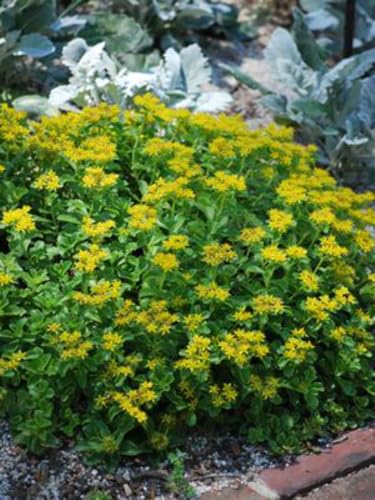
Hardy in USDA Zones 3-9. Some regions restrict certain shipments; this variety is described as suitable for full sun. Creeping foliage of medium green succulent leaves with serrated edges reaches about 4 inches in height and supports vibrant golden yellow blooms in early summer. Foliage may bronze in the fall. A versatile option for rock gardens or sunny groundcover projects in the mid-Atlantic and similar climates.
Rock ‘N Round Bright Idea Stonecrop — Yellow Blooms
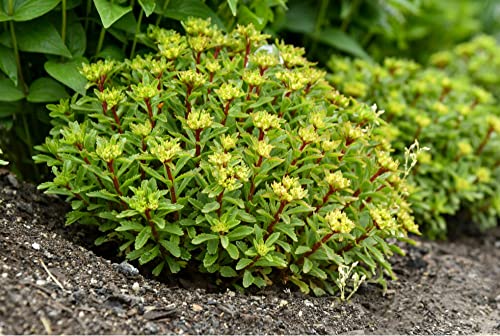
Measures 10-12 inches tall and 16-20 inches wide at maturity. Requires full sun (6+ hours) and is hardy in zones 3-9. It’s important to confirm your USDA zone for best results. The plant presents vibrant yellow flowers and green foliage, offering a bright accent for borders or rock gardens and pairing well with drought-tolerant companions.
Sedum t. Coral Reef — Groundcover

Hardy in zones 4-8. Full sun tolerance supports vigorous growth and a thick mat formation in dry conditions. The plant showcases bright yellow flower clusters atop 4-6 inch tall foliage, with bronzy fall foliage. Suitable for green roofs or rock gardens; spacing around 18 inches is recommended for best coverage and air circulation.
Sedum sexangulare Watch Chain — Yellow Flowers

Hardy in USDA Zones 3-8. Full sun is required; poor soil is acceptable. The plant forms a quick-spreading groundcover with six spiral rows of small cylindrical bright green leaves. Yellow flowers rise above the foliage, which develops a bronzy tint in fall and winter. This variety is often used in green roof plantings and rock gardens, with an ideal spacing of about 10 inches apart.
Sedum Tile Live Mat — Sedum Carpet

Live sedum tile offering a pre-planted mat with varied earthy colors and shapes. This low-growing perennial is easy to care for and lends itself to creative display, including DIY vertical gardens and wall planters. The sedum mat thrives in sunny locations and requires minimal maintenance, making it a practical option for busy gardeners seeking a bright, drought-tolerant groundcover or living wall accent.
Sedum Aizoon — Stonecrop Seeds
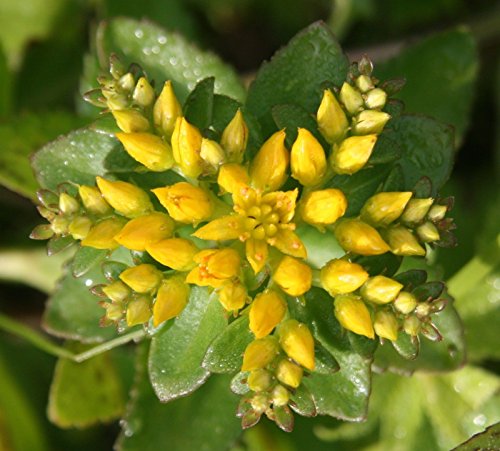
Brand: Cliff Stonecrop. Country of manufacture: Netherlands. Model: Stonecrop. Plant category: Perennial flowers / rock garden / ground. Sedum Stonecrop seeds, also marketed as Golden Sedum or Yellow Stonecrop, offer a seed option for gardeners who prefer starting from seed. While seed-grown plants may take longer to establish, they contribute to long-term ground cover and color in sunny settings.
Buying Guide
Key purchase considerations for yellow stonecrop sedum plants include climate and hardiness, sun exposure, soil type, mature size, and intended use. For climate, compare USDA zones to ensure the chosen variety can survive winter conditions. For sun, most stonecrops demand full sun for best flowering; partial shade can reduce bloom intensity. Soil tolerance is high—these plants thrive in poor, well-draining soils and tolerate drought, but ensure adequate drainage to prevent root rot.
Growth habit matters for placement. Groundcover sedums like Kamchatkianum and Coral Reef spread steadily and fill gaps quickly, while varieties such as Bright Idea may achieve greater height and width, requiring more space. For rooftops or green roofs, consider drought tolerance, wind exposure, and weight load. When planting in containers, select varieties with smaller mature sizes to avoid overcrowding and ensure water runs freely.
Maintenance considerations include minimal fertilization and infrequent watering. Prune dead stems after flowering to maintain tidy appearance and encourage new growth. Spacing recommendations vary: some plants need about 10 inches apart, while others may require 18 inches. When integrating multiple varieties, plan color transitions and foliage textures to maximize year-round interest.
Regional regulations and shipping constraints can affect availability. Some listings indicate restrictions to certain states; verify with the seller regarding delivery to your location. For gardeners seeking pollinator support, yellow sedum varieties attract butterflies and other pollinators when in bloom, adding ecological value to rock gardens and green spaces.
Comparative considerations:
- Compact groundcovers are ideal for tight spaces and edging, with quick coverage and bright blooms.
- Tallish varieties provide vertical interest but require more space and sun exposure.
- Seed options offer cost savings and long-term coverage but require patience for establishment.
- Rooftop or green roof uses emphasize drought tolerance and light weight; confirm local regulations and building compatibility.
- Color and foliage tone shift in fall enhances seasonal appeal across landscapes.