Green laceleaf Japanese maples deliver delicate, lacy foliage with bright, sun-loving greens that shimmer through summer and into autumn. This article highlights five top selections that suit American yards, patios, and shaded spaces, focusing on healthy growth, vibrant color, and easy care. Each option emphasizes the green laceleaf style, a cascading habit, and the adaptability to containers or ground planting. Read on to compare features, growth rates, and optimal growing conditions to help you choose the best green laceleaf for your landscape.
Summary of selected products
- Waterfall Green Weeping Laceleaf Japanese Maple — Life Nursery & Garden
- Emerald Lace Green Laceleaf Weeping Japanese Maple — Maples and Evergreens
- Emerald Lace Weeping Japanese Maple 3 Year Old Tree — Maples and Evergreens
- Emerald Lace Green Laceleaf Weeping Japanese Maple — 2-Year Live Tree — Maples and Evergreens
- 10 Upright Green Laceleaf Maple Japanese Seiryu Acer Palmatum Dissectum Viridis Tree Seeds — Seeds
Waterfall Green Weeping Laceleaf Japanese Maple

The Waterfall Green Weeping Laceleaf is a standout specimen plant, ideal as a focal point in landscapes or as a dramatic patio tree in a large pot. Its bright green summer foliage stays vibrant through the season and develops brilliant golden tones with hints of crimson in fall. The cascading branches create a waterfall effect, enhancing yards with a soft, elegant texture. This cultivar is a faster-growing green laceleaf option, offering quicker impact in both ground and container settings.
Key growth notes: It thrives in well-drained soil and requires partial sun to achieve the best leaf color. Regular irrigation during dry spells keeps the laceleaf foliage healthy, while mulching helps conserve soil moisture. Pruning after leaf-out helps maintain the cascading form and prevents overcrowding. This plant is suited for warm temperate climates and provides year-round interest in mixed borders or patio arrangements.
Emerald Lace Green Laceleaf Weeping Japanese Maple

This Emerald Lace cultivar is noted as the fastest-growing green laceleaf option among similar varieties. Its lush, cascading form showcases finely cut foliage that resembles a green waterfall, delivering dynamic movement in landscapes and containers. It’s sold as a one-year live tree in a pot, making it ready for ground planting or container display upon arrival, which lowers the transition effort for new gardeners or busy homeowners.
Growing considerations: Choose a location with bright, indirect light to preserve the bright green color. Protect from harsh midday sun in hotter regions to avoid leaf scorch, and provide steady moisture that drains well. Pruning is minimal but can help preserve the cascading habit. This tree is ideal for feature plantings, foundations, or mixed borders that benefit from a dramatic vertical accent with graceful lines.
Emerald Lace Weeping Japanese Maple — 3 Year Old Tree

This 3-year grafted tree showcases very fine lacy green foliage and a notably fast growth rate. The mature, dense canopy provides a striking display in landscape beds or container gardens. As a more established option, it offers a quicker impact, allowing homeowners to enjoy a mature look sooner after planting. The tree is well-suited for patios, entryways, or side yard focal points where its graceful habit stands out.
Care notes: Ensure a site with good drainage and protection from strong winds that could damage the delicate lace leaves. Water consistently, especially during establishment, and apply a layer of mulch to conserve moisture and maintain even soil temperatures. Pruning should be conservative, focusing on removing deadwood and maintaining the cascading shape rather than heavy structural changes.
Emerald Lace Green Laceleaf Weeping Japanese Maple — 2-Year Live Tree

This two-year live tree expands on the emerald laceleaf trend with robust structure and a cascading habit that provides immediate visual impact. The tree is shipped in a healthy, container-friendly form, ready to plant into ground or larger pots. Its finely dissected foliage remains a signature hallmark, delivering a soft, green glow in shaded to partially sunny settings.
Practical tips: Space properly to give the roots room to establish and to allow the airy canopy to develop. In hotter regions, protect from the hottest sun to avoid scorching. Regular feeding with a balanced fertilizer in spring supports foliage vigor and vibrant color through the growing season. It’s an excellent choice for entry drives, courtyards, or as an accent in mixed borders.
10 Upright Green Laceleaf Maple Seeds
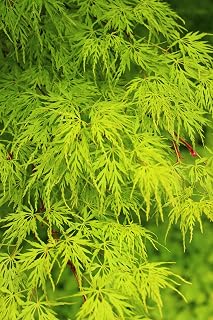
This seed option provides an alternative path to growing a green laceleaf maple, with several seasonal color transitions highlighted in the description. The seeds allow for outdoor planting after frost or in fall with proper cold stratification, or indoor pre-starting weeks before the last frost for good germination. Expected mature dimensions reach about 10-15 feet tall with a recommended spacing of 8-12 feet, making this suitable for focal statements in larger gardens or long borders.
Seed-grown plants require patience and care: germination varies with climate, and seedlings will take several years to reach full maturity. Pros include potential cost savings and hands-on growth from seed, while cons include longer time to visible canopy and higher initial maintenance during early growth. For landscape planning, place seed-grown trees where they can mature without crowding nearby structures or other trees.
Buying Guide: Green Laceleaf Japanese Maples
Selection considerations for green laceleaf maples focus on climate, site conditions, and intended use. The laceleaf varieties share a delicate, lacy leaf structure with graceful, cascading branches, but individual cultivars differ in growth rate, vigor, and color stability. When choosing, consider the following:
- Light and temperature: Most green laceleaf maples prefer partial shade to full sun in cooler regions, with protection from harsh afternoon sun in hot climates to prevent leaf burn.
- Soil and drainage: Well-drained, acidic to neutral soils support steady growth. Avoid waterlogged sites which can promote root rot and leaf yellowing.
- Growth habit and size: Cascading weeping types suit containers and landscape accents, while upright laceleaf forms provide vertical interest. Match mature size to available space to minimize pruning needs.
- Watering and mulch: Maintain consistent moisture, especially during establishment. Mulch helps regulate soil temperature and retains moisture but keep mulch away from the trunk to prevent rot.
- Hardiness and maintenance: Many green laceleaf maples are hardy in temperate zones but require protection from extreme cold or heat. Prune to maintain shape and remove deadwood after winter dormancy.
- Container use: For patio or balcony plantings, select compact or semi-dwarf forms and ensure containers have drainage holes and appropriate soil mix for turf-friendly nutrients.
- Selection goals: For a dramatic entry, pairing a cascading laceleaf with a contrasting evergreen or flowering shrub can create year-round appeal. For a shaded yard, ensure sufficient light reaches the leaves to maintain the vivid green color.
Across these options, buyers gain a spectrum of growth speeds, sizes, and display styles. The Waterfall option provides dramatic, down-cascading foliage; Emerald Lace varieties emphasize a lush, green waterfall effect; and the seed option introduces a long-term, experiential growth path. Evaluate your site, climate, and maintenance capacity to choose the best green laceleaf maple for your landscape aesthetic and functional goals.