Reblooming tall bearded iris invite a second wave of color, adding drama to borders and cut-flower arrangements. This guide highlights five robust options that reliably return year after year, expanding color palettes from deep purples to bright pinks and fiery oranges. Each selection is chosen for vigor, ease of care, and strong reblooming traits, making them suitable for American gardens in a variety of climates. Read on to compare features and find the best match for your landscape.
| Product | Key Benefit | Ideal Zone |
|---|---|---|
| Beauty Mix Bearded Iris | Easy maintenance; high survival; reblooming | 4-9 |
| Supreme Pink Mix | Vibrant color combinations; year-after-year perennial | 4-9 |
| Pretty Bearded Iris (German Iris) | Fresh roots, reliable blooms | 4-9 |
| Dangerous Mood | Colorful reblooming varieties; durable perennials | 4-9 |
| Ozark Rebounder | Dark, velvety blooms; naturalizing | 4-9 |
These selections come from growers offering reblooming bearded irises that fit typical American gardens. They are available in mixed color palettes, making it easier to create coordinated garden beds or striking container displays. When planning, consider sun exposure, soil drainage, and seasonal bloom timing to maximize rebloom potential and impact.
Beauty Mix Bearded Iris, Reblooming

The Beauty Mix Bearded Iris from Alasines is marketed as easy to maintain with a high survival rate. The bulbs are described as iris bulbs with simple care requirements, suited for gardeners seeking reliable color returns each season. This reblooming variety aligns well with traditional bearded iris aesthetics and can be combined with other perennials for layered height in beds. For planting, ensure well-drained soil and full sun exposure to support robust growth and repeat blooming in subsequent seasons.
Supreme Pink Mix Bearded Reblooming Iris

The Supreme Pink Mix offers an array of colors and color combinations within the reblooming bearded iris family. It’s described as suitable for zones 4-9, providing perennial returns year after year. Gardeners can expect vibrant pink tones with the classic bearded iris form, making it a versatile choice for borders, cutting gardens, or focal points in mixed beds. Prepare soil with good drainage and plant at the recommended depth to encourage healthy establishment and successive bloom cycles.
Pretty Bearded Iris, Reblooming German Iris
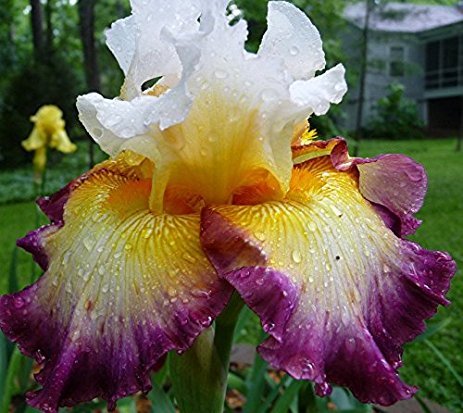
The Pretty Bearded Iris features a fresh root and rhizome establishment with easy growth traits. This variety emphasizes color variety and year-after-year blooms, contributing reliable structure to perennial borders and beds. Gardeners should consider spacing to accommodate eventual height and flowering spread, and ensure soil is not overly saturated to prevent rhizome rot. Regular mulching and light feeding can support robust rebloom cycles.
Dangerous Mood Bearded Reblooming Iris

Dangerous Mood presents a colorful reblooming iris option with listed traits of year-after-year persistence. This selection is crafted for zones 4-9 and emphasizes the bearded iris’s dramatic presence. When integrating into a landscape, pair with complementary foliage textures and taller perennials to create layered color stories. Like other bearded irises, ensure good drainage and avoid heavy soils that retain moisture in winter months.
Ozark Rebounder Bearded Iris

The Ozark Rebounder is highlighted for its premium rhizome and large bulb size, delivering bold, nearly black purple blooms with white starbursts around the beards. It is noted as an award-winning variety with strong reblooming traits and naturalizing tendencies, making it well-suited for naturalized borders or meadow-like plantings. Plant in full sun with well-drained soil and space to allow expanding clumps over time.
Buying Guide: Key Purchase Considerations For Reblooming Tall Bearded Iris
Choosing the right reblooming tall bearded iris requires weighing bloom color, climate compatibility, and long-term maintenance. Here are the main considerations to guide your selection:
- Climate and hardiness: Look for zones 4-9 compatibility to ensure reliable rebloom cycles. Consider winter cold tolerance and hot-summer耐 in your region.
- Soil and drainage: Bearded irises thrive in well-drained soil. Heavy clay or constantly wet soils can lead to rhizome rot. Amending soil with organic matter improves structure and drainage.
- Sun exposure: Most reblooming irises perform best with full sun (6+ hours daily). Partial shade can reduce flowering vigor and rebloom potential.
- Height, color, and bloom timing: Plan plantings by height to create layered visuals. For reblooming varieties, consider color harmony across the season and how later blooms complement spring displays.
- Planting depth and spacing: Plant rhizomes shallowly with the top exposed or just barely covered. Space plants about 12-18 inches apart to accommodate clump expansion and air circulation.
- Maintenance needs: Provide occasional feeding with a balanced fertilizer, remove spent blooms and dead leaves to reduce disease risk, and divide clumps every 3-5 years to maintain vigor.
- Mulching and irrigation: Mulch lightly to preserve moisture without suffocating the crown. Water deeply during dry periods, avoiding overhead sprinkling that can encourage leaf disease.
- Growth habits and naturalizing potential: Some varieties are more prone to naturalizing and spreading. If naturalizing is desired, select robust rebloomers that tolerate local conditions and provide adequate spacing to prevent overcrowding.
- Aesthetic considerations: Choose color ranges (cool tones vs. warm tones) to coordinate with existing perennials, and pair with grasses or flowering companions to create texture contrasts.
Across these selections, reblooming tall bearded irises offer a durable, visually striking option for borders, containers, and mixed plantings. By matching cultivar traits with site conditions, gardeners can enjoy repeat flowering and enduring beauty through multiple seasons.