Whether you’re craving fresh lemons for lemonade, desserts, or cocktails, a Meyer lemon potted tree brings orchard flavor into your home. This guide highlights five popular Meyer lemon options, focusing on dwarf and container-friendly varieties suitable for indoors or patios. Each product is reviewed for size, care needs, and fruiting potential to help you pick the best fit for your space.
| Product | Brand | Height / Size | Notes |
|---|---|---|---|
| Via Citrus Meyer Lemon Trees Live Plants | Via Citrus | 13″ – 22″ tall | Dwarf, great for indoor/outdoor use; lemons, blossoms, year-round freshness |
| Garden State Bulb Meyer Lemon Tree | GSB Garden State Bulb | 1 gallon pot | Flexible light needs; indoor near bright window |
| Brighter Blooms Meyer Lemon Tree (2-3 ft) | Brighter Blooms | 2-3 ft tall | Flavorful lemons, adaptable to gardeners of all levels |
| Live Meyer Lemon Tree (2-3 Years Old) | DMOH | 3 gallon pot, older plant | Pre-bearing, ready for fruiting with proper care |
| Meyer Lemon Tree Live Plant (2-5 Inch) | Generic | 2-5 inches tall | Young seedling, winter insulation available; sweet lemons |
Via Citrus Meyer Lemon Trees Live Plants

These dwarf Meyer lemon trees are designed for easy home cultivation. Standing 13″ to 22″ tall, the plants are suitable for both indoor and outdoor spaces. They produce fragrant blossoms and juicy lemons, offering year-round freshness. Although shipping is restricted to certain states, this option remains a popular choice for kitchen and balcony gardening. The bundle emphasizes flavor, aroma, and compact growth, making it ideal for beginners and seasoned gardeners alike.
Garden State Bulb Meyer Lemon Tree

This 1-gallon grower’s pot Meyer lemon tree is suitable for partial sun to partial shade, making it versatile for indoor rooms and sunlit patios. It is a practical option for apartment gardeners or those with smaller outdoor spaces. The plant’s citrus aroma and potential fruiting provide a compact gateway to homegrown fruit, with care focused on well-drained soil and consistent watering. It supports beginners with a manageable size and a straightforward cultivation approach.
Brighter Blooms Meyer Lemon Tree (2-3 ft)

Brighter Blooms highlights Meyer lemons as a flavorful alternative with a blend of tang and sweetness. The 2-3 ft tree is described as reliable and versatile for various spaces, including patios and sunrooms. It appeals to gardeners seeking high-impact fruiting trees that are still manageable in containers. The variety promises thin-skinned lemons ideal for juicing, desserts, and zest, with a focus on accessibility for gardeners at all levels.
Live Meyer Lemon Tree (2-3 Years Old)
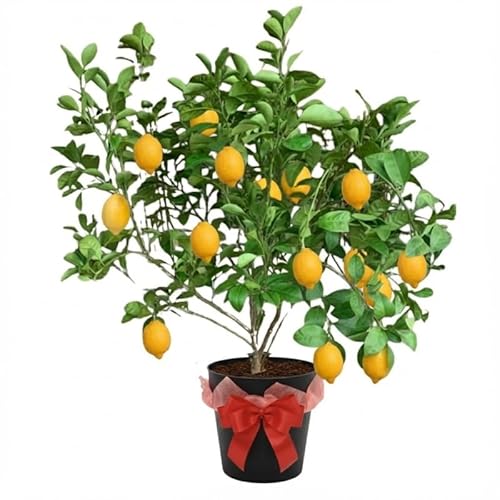
This option provides an established Meyer lemon tree in a 3-gallon pot, already bearing fruit with a shorter path to harvest. It offers a robust choice for those who want to see fruit sooner and prefer a seasoned plant that has adapted to container life. Growth and fruit production depend on proper soil, drainage, and sun exposure. The plant is well-suited for patios or indoor spaces with ample light.
Meyer Lemon Tree (2-5 Inch Tall)

This is a small, starter Meyer lemon seedling ready for potting. The plant ships with insulation and heat packs during winter, helping protect young roots. While tiny at 2-5 inches, this seedling offers a direct route to homegrown fruit as it matures. It suits patient growers who want to watch a tree develop from the earliest stages and enjoy fresh lemons in the long term.
Buying Guide
Key purchase considerations for Meyer lemon potted trees include container suitability, climate compatibility, and care requirements. First, assess light: Meyer lemons crave bright sun, ideally 6-8 hours daily. If your space lacks full sun, consider a south-facing window or a sunny balcony.
Second, soil and drainage: Use a well-draining citrus-specific potting mix. Look for mixes with perlite or sand to prevent root rot. Ensure pots have drainage holes and consider saucers to protect surfaces.
Third, container size and growth rate: Dwarf varieties stay compact, but you’ll need to repot every 1-2 years as roots fill the container. For fruiting, provide adequate space, steady moisture, and regular feeding with a citrus-specific fertilizer.
Fourth, climate and shipping constraints: Some listings restrict shipping to specific states due to climate and agricultural regulations. If you live in a restricted area, choose varieties advertised for broader zones or plan to move plants indoors during cold seasons.
Fifth, maintenance and longevity: Meyer trees generally require consistent watering, avoiding waterlogging. Pruning is optional but can help maintain shape and encourage air circulation. Potted trees can bear fruit for several years with proper care.
Comparisons at a glance: dwarf and small potted Meyer lemon trees are ideal for apartments and patios, while slightly larger, established trees offer quicker fruiting but require more space. Indoor-friendly options emphasize fragrance and aesthetics, while outdoor-compatible choices focus on yield and years of fruit production.