If you’re aiming to brighten a shaded border or woodland garden, hostas with green leaves highlighted by a white edge offer a striking contrast and enduring texture. The following selections emphasize variegation that stays vibrant through the growing season, are suitable for common American climates, and provide reliable folk-pleasing foliage plus seasonal blooms. Each option below highlights white-edged leaves to help you plan a cohesive, light-reflective bed under trees or along a patio.
Summary of chosen products:
| Product | Foliage Feature | Ideal Zone | Package |
|---|---|---|---|
| Hosta ‘Francee’ | Dark green with a crisp white margin | 3-8 | #1 container, fully rooted |
| 2pk White Feather Hosta Bare Roots | White trimmed leaves maturing to green | All, shade | Bare roots |
| 10 Live Bare Root Hosta Plants | Green and white variegation | All, shade | Bare roots |
| Easy to Grow Hosta Mediovariegata | Green and white variegation | All, shade | 3 bare roots |
| Stained Glass Hosta | Golden green with white-variegated leaves | 3-8 | No soil, bare root style |
Hosta Francee: Green With White Edge

Hosta ‘Francee’ offers dark green foliage outlined by a bright white edge, a combination that enhances low-light borders and walkways. This cultivar is well-suited to USDA zones 3-8, providing a substantial mature size of roughly 21-24 inches tall and 30-36 inches wide. The plant ships in a #1 size container and is fully rooted, enabling immediate planting upon arrival when weather permits. As with many hostas, it thrives in part shade or dappled sun, making it a versatile choice for woodland gardens or the edge of a shaded lawn. Regular watering and a light feeding with organic compost help sustain the vivid variegation. If you’re building a white-edged bed, Francee serves as a reliable anchor plant with strong contrast against darker greens and blooming perennials.
2 Pack White Feather Hosta Bare Roots

White Feather Hosta presents a striking variegation pattern, with white-edged foliage that matures into a creamy blend of white and green. Shade tolerance makes it ideal for borders beneath trees, along walkways, or in garden corners that receive minimal direct sun. This 2-pack of bare-root plants is a practical option for establishing a group of contrast-ready specimens. The foliage remains attractive for years, and as the season progresses, these hostas can produce lavender blossoms on tall scapes, adding seasonal color without demanding extra care. Gardeners should monitor soil moisture—hostas prefer consistently moist but well-draining soil—and provide mulch in hot months to maintain leaf color integrity.
10 Live Bare Root Hosta Plants: Green and White Variegated
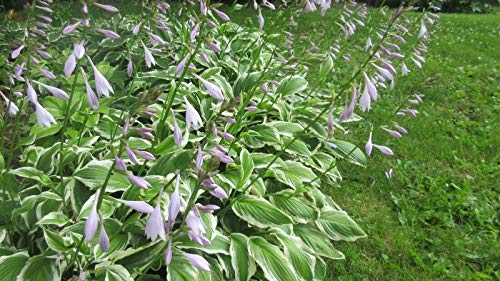
This option bundles ten green-and-white variegated hostas, shipped as bare roots ready to plant in part-shaded locations. The variety offers dependable vigor and a classic variegated look that pairs well with blue hostas and pale perennials. The listing notes a healthy root system and prior organic compost fertilization, suggesting robust establishment in the landscape. Planting tips emphasize a shaded, moisture-retentive site to support steady growth. Expect lavender flowers in mid-summer in some cultivars, which adds a supplementary seasonal detail without interfering with the variegation’s visual impact.
Easy to Grow Hosta Mediovariegata

Hosta Mediovariegata features green leaves with white variegation, delivering a clean, bright effect in shaded beds. Marketed as easy to grow, this cultivar suits beginners and busy gardeners alike, thriving in consistent moisture and part shade. The listing includes three bare-root plants, which helps you establish a small clump that can spread over time. As with most variegated hostas, consistent care involves avoiding waterlogging, providing protection from harsh afternoon sun, and applying mulch to conserve soil temperature and moisture. Mediovariegata’s striped look also pairs nicely with solid green or blue hostas to emphasize the white edging.
Stained Glass Hosta: White-Edged Variegation

Stained Glass Hosta offers a golden-green leaf with white variegation, an aesthetically rich contrast that can brighten shaded borders, especially when placed where it catches dappled sunlight. The listing notes a mature height of 18 to 20 inches, making this a mid-height specimen suitable for middle-ground planting in a border bed. It is described as perennial and sun-tolerant within shade-tolerant ranges, a useful trait for mixed borders near patios or under partial sun. This cultivar can contribute a dynamic pattern to a bed and pair well with darker greens for enhanced edge definition during the growing season.
Buying Guide: Key Considerations For White-Edged Hostas
- Light and moisture: Most white-edged hostas prefer partial shade to full shade with consistently moist, well-draining soil. Direct, hot sun can scorch leaves and fade variegation, especially in hotter climates.
- Variegation stability: Some white edges may fade or revert in extreme heat or nutrient-poor soils. Choose established varieties known for stable variegation and provide regular feeding with balanced organic fertilizer.
- Size and spacing: Mature size is essential for bed planning. Group larger cultivars toward the back or center and use smaller ones along the front to maintain a cohesive look without crowding roots.
- Soil health and mulch: Enrich soil with compost or aged mulch to retain moisture and regulate temperature. Mulching helps reduce leaf scorch and keeps variegation crisp by minimizing rapid drying.
- Care and maintenance: Remove spent flowers if you prefer foliage focus, and divide clumps every 3–5 years to maintain vigor. Bare-root plants typically establish faster in cool, moist soil conditions.
- Aesthetics and garden planning: Use white-edged hostas to reflect light and brighten shaded zones. Pair with solid greens, purples, or blues to create color harmony and accent foliage texture.
- Hardiness and conditions: While many hostas tolerate Zones 3–8, verify your local microclimate and ensure protection from strong wind and winter desiccation in exposed garden spots.
In choosing among these options, consider how the white edging interacts with adjacent plants and how much sun the bed receives in different seasons. For a balanced border, combine several cultivars with complementary growth habits and taller background plants to frame the bed and showcase the variegation throughout the year.