Carpenter bees can damage wooden structures, decks, and furniture if left unchecked. This guide highlights five effective bug sprays specifically formulated or suitable for carpenter bees, with details on how they work, application tips, and where they excel. Each product leverages targeted formulas, natural oils, or advanced aerosols to deter, repel, or kill carpenter bees while aiming to minimize impact on people and pets when used as directed. Use the following picks to protect exterior wood surfaces and reduce nesting activity.
| Product | Brand | Key Benefit |
|---|---|---|
| Donaldson Farms Carpenter Bee Spray – Wood Boring Bee Spray | Donaldson Farms | Deep reach into nests with precision nozzle |
| Donaldson Farms Carpenter Bee Repellent Spray | Donaldson Farms | Nature-derived, citrus/peppermint blend |
| Best Bee Brothers Citrus Carpenter Bee Repellent Spray | Best Bee Brothers | Long-lasting citrus oils for deterrence |
| BioAdvanced Termite And Carpenter Bee Killer Plus | BioAdvanced | Foam formula with broad wood-infestation coverage |
| TERRO T1901-6 Carpenter Bee Killer Aerosol | Terro | Two-way nozzle for broad or precise application |
Donaldson Farms Carpenter Bee Spray – Wood Boring Tool

Donaldson Farms offers a deep-reaching spray designed to target carpenter bee nests in exterior wood. The product is described as a wood-boring defense spray with a precision nozzle to reach eaves, elevated nests, and tunnels. The formulation is engineered to deliver the active ingredients directly into drilled holes from a distance, reducing the need for close contact with active nests. This product is suitable for decks, fences, porches, pergolas, and other outdoor wood structures where carpenter bees bore. It emphasizes targeted delivery to minimize mess and maximize effectiveness in hard-to-reach spaces.
What to know about this product
- Deep-reaching precision nozzle for hard-to-reach nests
- Designed for use on common outdoor wooden structures
- Focuses on interior of holes to limit mess and spread
- Intended for exterior application with caution for pets and children
Donaldson Farms Carpenter Bee Repellent Spray

This nature-derived repellent uses citrus, peppermint, and almond oils to minimize carpenter bee activity on outdoor wood. The formulation aims to deter bees from boring into decks, fences, and garden furniture, offering an eco-friendly approach for repeated seasonal use. The emphasis is on prevention and deterrence rather than immediate elimination, with an eye toward safe, family-friendly application when used as directed. The spray is marketed as effective for visible drill holes and exposed wood surfaces where bees linger.
Key considerations
- Natural oils as active deterrents
- Suitable for repeated seasonal use
- Safe around families when used as directed
Best Bee Brothers Citrus Carpenter Bee Repellent Spray

This citrus-based spray combines lemongrass and citronella to deter carpenter bees from nesting in wooden surfaces. The formula emphasizes long-lasting protection with a focus on a family-friendly, natural active ingredient profile. It is designed for use on visible drill holes and exterior timber surfaces, making it a practical option for homeowners seeking a non-chemical approach with effective deterrence.
Performance notes
- Natural citrus oils create a lasting deterrent
- Safe for use around family and pets when used properly
- Less aggressive than some chemical-based aerosols
BioAdvanced Termite And Carpenter Bee Killer Plus
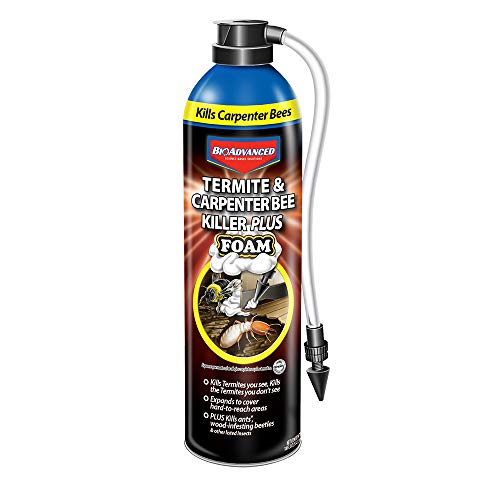
BioAdvanced Termite And Carpenter Bee Killer Plus combines termite control with broader wood-infestation management. The foam expands to fill cracks at a 30:1 ratio, enabling coverage of small galleries and interior voids where carpenter bees may nest. The product is positioned for both indoor and outdoor use, and it targets termites, carpenter bees, and other wood-destroying insects. The foam application helps to ensure the formula stays within cracks and holes for extended effect.
Application insights
- Foam expands to reach crevices
- Effective against multiple wood-infesting pests
- Indoor and outdoor use possibilities
TERRO T1901-6 Carpenter Bee Killer Aerosol
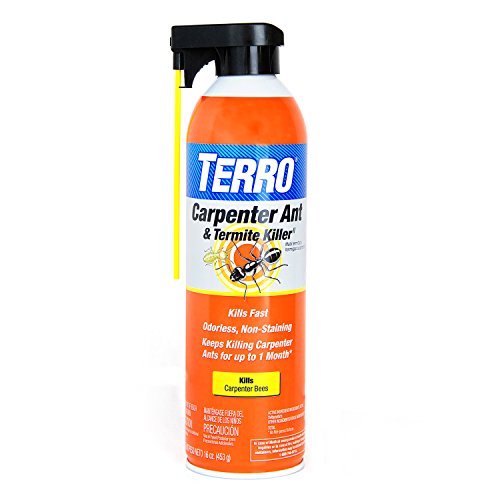
Terro’s T1901-6 aerosol is formulated to kill wood-infesting insects, including carpenter bees, termites, and carpenter ants. It features a two-way spray nozzle to switch between broad application and precision treatment for cracks and crevices. The product is designed for rapid on-contact kill with lasting residual control, making it adaptable for multiple outdoor and semi-outdoor settings where bees and other pests may nest. It targets exposed areas and helps manage nest galleries on exterior wood surfaces.
Important considerations
- Two-way nozzle supports versatile application
- On-contact kill with residual protection
- Suitable for cracks, crevices, and exposed nests
Buying Guide: Key Purchase Considerations And Comparisons
When choosing a bug spray for carpenter bees, consider the following factors to match your situation:
- Application target: Identify whether you need deep-nest reach (e.g., precision nozzles) or surface-level deterrence (e.g., citrus or plant-based sprays).
- Active ingredients: Natural oils and plant-based formulas are gentler around people and pets, but chemical options may offer faster knockdown and longer residual effects.
- Environment and surface: For sensitive plants or ornamentals, choose sprays labeled as safe for outdoor furniture and vegetation; for wood structures, ensure the product is suitable for exterior use.
- Formulation type: Aerosol sprays are great for quick hits and crack-and-crevice treatment, while foams and liquids can fill holes and provide longer-lasting protection inside galleries.
- Safety and directions: Always follow label directions, wear protective gear if required, and keep away from children and pets during application.
- Longevity and maintenance: Some products offer deterrence with periodic reapplication, while others provide residual control for months; plan a seasonal maintenance schedule.
- Brand and availability: Choose reputable brands with proven performance and ensure you can access replacement parts or refills if applicable.
Depth of coverage varies by product. For best results, combine prevention with targeted nest treatment. Start with deterrents on exposed surfaces and proceed to direct nest treatment as needed, especially on wooden structures that show visible signs of bee activity. Always inspect exterior wood for new nesting sites and reapply as part of an ongoing maintenance plan.