Zone 8 offers mild winters and long growing seasons, which makes dwarf flowering trees ideal for patios, small yards, and container gardens. The selections below highlight compact fruiting and ornamental options that can thrive in zone 8 with proper sun, soil, and care. Each entry features key traits to help you compare suitability for containers, spacing, and flowering or fruiting patterns.
| Product | Type | Zone Range | Notes |
|---|---|---|---|
| Greenwood Nursery: Fignomenal Dwarf Fig Tree | Dwarf Fig Tree | 8-11 | Self-fertile, container-friendly, flowers and fruit indoors or outdoors |
| Red Haven Dwarf Peach Tree | Dwarf Peach | 5-8 | Self-pollinating, temperate fruiting in warm summers |
| 7 Months Old Dwarf Barbados Cherry Tree | Dwarf Barbados Cherry | 9-11 | Fast-growing, edible cherries; best in warm climates |
| Weeping Cherry Blossom Tree | Dwarf Cherry Blossom | Typically 5-9 depending on rootstock | Ornamental flowering, no fruit production |
| Dwarf Black Cherry Fruit Tree | Prunus serotina Seedling | Varies by rootstock, generally 4-8 | Fruit-bearing, compact form for home gardens |
Greenwood Nursery: Fignomenal Dwarf Fig Tree

The Fignomenal dwarf fig is designed for container growth, reaching up to about 30 inches tall with a similar spread. It is self-fertile and capable of flowering and producing fruit indoors or outdoors, making it versatile for patios and sunlit balconies in zone 8. The plant prefers full sun to partial shade and well-drained soil. It can be moved indoors during cooler periods to protect fruiting cycles, and the fruit has a brown outer skin with a pinkish center, offering a sweet harvest from a compact tree.
Red Haven Dwarf Peach Tree

This dwarf peach offers self-pollinating flowers and fruit, suitable for zone 5 through 8 climates. It ships as a small to mid-sized plant and is ideal for container growing or small garden plots. In zone 8, it benefits from full sun and a location protected from harsh afternoon winds. The tree matures to a compact size, with edible peaches that suit fresh eating or short-season canning. Note that deciduous trees may drop leaves in winter, and bare-root shipments may apply in some regions.
7 Months Old Dwarf Barbados Cherry Tree
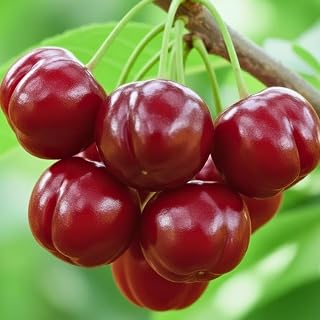
The Barbados cherry is a fast-growing, high-yielding tropical fruiting tree. While listed as best in warmer zones, it can be managed in zone 8 with protection from late-season frosts, ensuring a longer fruiting period. It is commonly grown as a patio plant or in a container where summer heat encourages fruit set. Regular feeding and consistent moisture support steady fruit production. The tree is typically 4-8 inches tall at planting, with rapid growth to a small tree over time.
Weeping Cherry Blossom Tree

The weeping cherry is an ornamental choice known for spring blooms and a sculptural habit. This dwarf cultivar is well-suited for sunny spots in zone 8, where it can display cascading pink or white blossoms. It does not produce edible fruit, but its floral display can be a focal point on a patio or small yard. Proper pruning, soil drainage, and protection from scorching afternoon sun help maintain structure and longevity in containers or in-ground setups.
Dwarf Black Cherry Fruit Tree

The dwarf black cherry seedling offers a compact foundation for a home orchard. Seedlings arrive ready to plant and are suitable for fresh fruit in zones where summers are warm and days are long. In zone 8, consistent irrigation, mulching, and sun exposure promote healthy growth and eventual fruiting. This option is advantageous for gardeners seeking a perennial tree with both ornamental appeal and harvest potential in a small footprint.
Buying Guide: Key Purchase Considerations For Dwarf Flowering Trees In Zone 8
Choosing the right dwarf flowering tree for zone 8 involves balancing size, bloom or fruit, and site conditions. Consider the following perspectives to guide your purchase:
- Sun and soil: Most of these trees thrive in full sun, with well-drained soil. Container growing requires high-quality potting mix and regular feeding to sustain flowering and fruiting cycles.
- Growth habit and size: Dwarf varieties are ideal for patios or small yards. Check the expected mature height and spread to ensure enough clearance and stable support for container planting.
- Pollination needs: Some fruit trees are self-fertile, while others require a pollinator. For zone 8, ensure you have compatible varieties nearby if cross-pollination is needed to produce fruit.
- Winter protection: Zone 8 winters are mild, but protect potted trees from unexpected cold snaps. Move containers indoors when temperatures fall significantly to preserve buds and fruiting potential.
- Fruit and ornamental value: Decide whether you prioritize edible fruit (fig, peach, cherry) or ornamental blossoms (cherry blossoms) as the primary feature of your space.
- Maintenance: Pruning, fertilization, and watering schedules affect flowering and fruit yield. Dwarf varieties often respond well to regular pruning to maintain compact shape.
- Container considerations: If growing in pots, select containers with adequate drainage and consider a weather-resistant material to withstand sun exposure and temperature swings.
- Care longevity: Some varieties tolerate container life for several years, while others may require repotting or root pruning to sustain health and vigor.