Discover five David Austin roses that work well as ground covers, cascading over borders, banks, and low walls. These varieties blend classic English rose fragrance with the compact, spreading habit that helps fill garden space without sprawling out of control. Each option below is an own-root plant from reputable suppliers, offering strong resilience, abundant blooms, and true-to-type color. Read on to compare growth habits, hardiness, and delivery details to choose the best fit for your landscape.
Summary of selected products:
| Product | Brand | Root Type | Container Size | Hardiness Zones |
|---|---|---|---|---|
| Lady of Shalott Orange Rose Bush | Heirloom Roses Store | Own Root | One Gallon | 4-11 |
| The Pilgrim® Yellow Rose Bush | Heirloom Roses Store | Own Root | One Gallon | 5-10 |
| Pink David Austin Rose Seed Packets | Seed Needs | N/A | N/A | N/A |
| Crown Princess Margareta® Orange Apricot Rose Bush | Heirloom Roses Store | Own Root | One Gallon | 5-10 |
| Tess of The d’Urbervilles® Red Rose Bush | Heirloom Roses Store | Own Root | One Gallon | 5-10 |
Lady of Shalott Orange Rose Bush

The Lady of Shalott is an orange-flavored contrast within English rose lines, delivering vibrant blooms from spring through fall. This plant is described as own-root, which enhances bloom production and overall hardiness compared with grafted varieties. Delivered in a one-gallon container, it typically arrives with rich soil and a 12–16 month growth history, suitable for established borders or hillside planting. The hardiness range spans zones 4 to 11, broad enough for many American gardens. Use as a ground cover by planting in mass and layering with evergreen perennials.
Key considerations: own-root resilience supports natural spreading, and the orange tones create warm color accents in mixed borders. Expect a steady bloom cadence with the potential for repeat flowering under favorable temperatures. Ensure full sun to partial sun exposure and well-drained soil to maximize performance. Water consistently during root establishment and mulch to conserve moisture.
The Pilgrim® Yellow Rose Bush

The Pilgrim is a sunny, pale-yellow climbing-leaning shrub that can function as a low ground cover in massed plantings or spill over a low berm. This own-root plant is shipped in a one-gallon container and is compatible with zones 5 through 10. The variety is recognized for its reliable bloom production and sturdy growth habit, making it a practical choice for naturalized slopes and mixed borders. When used as a ground cover, space plants to allow arching canes to soften edges and extend the flowering display along walkways.
Practical tips: provide full sun for best flowering, enrich soil with organic compost, and maintain even moisture without waterlogging. Prune lightly to encourage new growth after the main flush. While yellow tones brighten beds, pair with purples, grays, or deep greens to emphasize color contrast.
Pink David Austin Rose Seeds
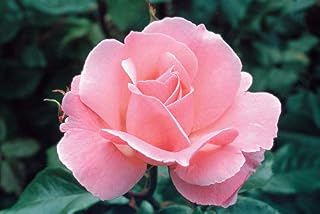
These seeds provide an alternative approach for gardeners who prefer to establish a rose meadow from scratch. Note that this option delivers seeds rather than live plants, so growth will require starting from seed and allowing propagation into a variety of pink shades typical of David Austin blends. The package emphasizes non-GMO seed mixtures designed for balanced height and blooming windows, with storage suitable for multiple growing seasons. For full results, seed sow in well-prepared soil, maintain even moisture, and provide sunlit conditions.
Considerations for seed growers: germination can vary with climate, requiring patience and consistent care. Seeds offer vertical diversity and a broader color palette, but results differ from established live stock plants. If your goal is immediate coverage, combine seeds with established shrubs as a temporary mulch layer until seedlings mature.
Crown Princess Margareta® Orange Apricot Rose Bush

The Crown Princess Margareta brings a warm orange-apricot color to ground-cover plantings, with a robust own-root system and a one-gallon container for straightforward establishment. Designed for zones 5 through 10, this variety tends to produce a dense, spreading habit that contributes to a continuous floral carpet along borders and slopes. Plant in full sun with well-drained soil. Regular mulching and light pruning after major flushes help maintain shape and promote recurring blooms across seasons.
Maintenance pointers: monitor soil moisture, especially in hotter regions, and avoid overhead irrigation to minimize disease pressure. This cultivar pairs well with blues and pinks to create a lively color palette in cottage gardens or formal borders that need a lower, more naturalized profile.
Tess of The d’Urbervilles® Red Rose Bush

Tess of The d’Urbervilles is a classic red rose that translates well into ground-cover beds when planted en masse or cascaded along borders. As an own-root plant in a one-gallon pot, it emphasizes resilience and quick establishment, making it suitable for zones 5 through 10. The dense growth habit can help suppress weeds in sunny, well-drained sites while providing a continuous bloom cycle through peak growing seasons. This cultivar pairs nicely with other bold-toned roses for a dramatic garden statement.
Growing guidance: ensure adequate spacing to avoid crowding and allow air circulation, which helps reduce mildew risk. Regular deadheading can prolong flowering, and seasonal feeding with balanced rose fertilizer supports sustained bloom output. Combine with evergreen companions for year-round structure.
Buying Guide: Key Purchase Considerations
- Root type and establishment: Own-root roses like these from Heirloom Roses Store generally offer strong bloom potential and sturdiness, but they may require careful moisture management during establishment.
- Zone suitability: Match hardiness ranges to your climate. Some varieties cover wider zones (4–11), while others fit mid-to-warm climates (5–10). Consider winter protection if you live near the edge of a zone.
- Growth habit and space planning: Use ground-cover roses to fill beds, cascade over slopes, or edge borders. Plan spacing to achieve the desired carpet effect without crowding.
- Color strategy: The color range here spans orange, yellow, pink, and red. Pair complementary hues to create visual interest and seasonal transitions across your garden.
- Planting and care: One-gallon units simplify transplanting, but ensure loose soil, full sun, and good drainage. Mulch to conserve moisture and feed per package guidance with appropriate rose fertilizers.
- Seed options vs. live plants: Seeds offer broader meadow aesthetics but require more time and care to reach blooming size. For instant coverage, live plants are recommended.
- Delivery and origin: Purchase from reputable sellers offering own-root David Austin varieties to maximize long-term performance and true-to-type flowering.
In selecting a combination of these roses for ground-covering effects, consider a layered approach: plant the tamer, low-growing forms along borders and under trees, and use the more vigorous growers on slopes or near walkways where they can spill naturally. Pair the warm tones with cooler blues or whites to enhance bloom impact across seasons. With proper site preparation, drainage, and consistent care, these David Austin varieties can provide a durable, fragrant, and colorful landscape feature that lasts for years.