Choosing the right Venus Fly Trap starter kit or care items helps ensure healthy, thriving plants. This guide reviews five well-matched products for growing and maintaining Venus Fly Traps, from live plants to soil and care accessories. Each item is selected for reliability, ease of use, and suitability for American gardeners and collectors.
| Product | Brand | Type | Notes |
|---|---|---|---|
| Adult Sized Venus Flytrap | JoelsCarnivorousPlants | Live Plant | Adult, non-dormant growth, comes with care sheets |
| Venus Fly Trap Glass Terrarium | Bloomify | Terrarium Kit | Self-sustaining, maintenance-free |
| Venus Fly Trap Food Gel | Orchid Gene | Carnivorous Plant Food | Solid gel designed to mimic prey |
| Carnivorous Plant Soil | Omitgoter | Potting Soil | High drainage, breathable formula |
| Carnivorous Plant Potting Soil Mix | Soil Sunrise | Soil Mix | All-natural, quick drainage and aeration |
Adult Sized Venus Flytrap in 3 Inch Pot

This live, healthy Venus Fly Trap is supplied as an adult plant actively growing (not dormant). It arrives in a 3-inch net pot and includes a comprehensive care sheet and FAQ written by Joel, the cultivator. The packaging emphasizes active growth and clear maintenance guidance, making it a practical option for beginners and experienced growers alike. Regular observations of moisture and light are recommended to sustain robust traps and vitality.
Venus Fly Trap Glass Terrarium Kit

This self-sustaining glass terrarium provides a controlled, low-maintenance environment ideal for Venus Fly Traps and other carnivorous plants. The kit promises healthy growth with minimal upkeep, thanks to its enclosed design, which helps retain humidity and reduce watering frequency. It makes a good gift for both new hobbyists and seasoned plant lovers seeking a ready-to-grow habitat.
Solid Gel Venus Fly Trap Food
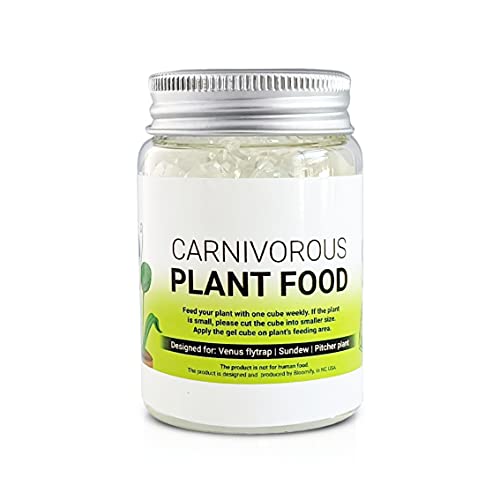
This solid gel food is designed to mimic prey, providing a natural-feeding stimulus for Venus Fly Traps and other carnivorous plants. The formulation is easy to administer, mess-free, and digestible, making it suitable for days when live insects aren’t readily available. It complements regular plant care routines by supporting growth and nutrient intake without liquid mess.
Omitgoter Carnivorous Plant Soil

Omitgoter’s premium soil blend emphasizes 100% natural ingredients with peat moss, perlite, sphagnum moss, and sand for optimal drainage and aeration. The formula aims to prevent waterlogging and promote robust root health by creating a bog-like, low-nutrient environment that carnivorous plants prefer. It’s well-suited for Venus Fly Traps requiring precise moisture management without heavy fertilizer use.
Soil Sunrise Carnivorous Plant Potting Soil Mix

This quart-sized soil mix from Soil Sunrise is an all-natural blend designed specifically for carnivorous plants such as Venus Fly Traps, Sundews, and Pitchers. It emphasizes quick drainage, aeration, and nutrient retention to support healthy root systems. The mix is versatile for indoor troughs, pots, or terrariums and compatible with standard watering practices for bog-adapted species.
Buying Guide: Key Purchase Considerations
- Plant maturity and health: Live plants vary in growth stage. For beginners, start with a healthy, actively growing specimen and review care sheets or FAQs included by the seller.
- Container and environment: Terrariums and pots should offer adequate drainage and humidity management. Enclosed terrariums help with moisture but may require occasional ventilation to prevent mold.
- Soil and substrate: Carnivorous plants need mineral-free, acidic substrates with good drainage. Avoid regular potting mixes; choose specialized carnivorous soils or blend recommendations from trusted brands.
- Feeding regimen: Some products provide solid gel foods or growth aids. While Venus Fly Traps can catch prey, supplemental feeding should be balanced to avoid overfeeding, which can cause stress.
- Light and temperature: A bright, indirect light source supports trap development. Venous Fly Traps generally prefer a sunny or high-light indoor location; avoid extreme heat or cold.
- Maintenance expectations: Self-sustaining terrariums offer low upkeep but monitor moisture and airflow. Live plants require ongoing moisture, occasional pruning, and careful feeding discipline.
- Quality and sourcing: Select products from reputable brands with clear care instructions, warranty or guarantee, and responsive support in case of plant health questions.
- All-in-one kits vs. individual components: Kits simplify setup for beginners, whereas experienced growers may prefer selecting individual components (soil, food, and plants) to tailor care exactly.
Across these options, the best choice depends on your experience level, available space, and how hands-on you want to be with maintenance. A live adult plant paired with proper soil and a simple terrarium can offer immediate gratification, while specialized food and soil blends help optimize long-term health. Safety and plant compatibility should guide purchases, especially for gift-giving or classroom use.
Additional Considerations
- Compatibility with your local climate: Indoor conditions are often more predictable than outdoor environments. Ensure your setup aligns with expected humidity and temperature ranges in your region.
- Post-purchase care resources: Look for care sheets, FAQs, or customer support that provide troubleshooting for common issues like mold, overwatering, or trap decay.
- Long-term growth goals: If you plan to expand to multiple plants, consider soil scalability and whether a terrarium can accommodate several specimens without crowding.
- Safety and maintenance: Some terrariums include electrical components; follow safety guidelines for moisture, cords, and heat sources to prevent hazards.