Container gardening is a convenient and rewarding way to grow herbs, vegetables, and flowers in limited spaces. Whether you’re gardening on a balcony, patio, or indoors, choosing the right potting mix and gardening resources is crucial for healthy plant growth. Below is a comparison table summarizing top products ideal for container herb gardening, followed by detailed reviews and a comprehensive buying guide.
| Product | Brand | Key Features |
|---|---|---|
| Burpee Premium Organic Potting Natural Soil Mix, 9 Quarts | Burpee | Organic mix with coconut coir, slow-release nutrients, moisture retention |
| The Old Farmer’s Almanac Vegetable Gardener’s Handbook | The Old Farmer’s Almanac | Expert vegetable gardening advice, seed-starting, soil testing, companion planting |
| The Old Farmer’s Almanac Container Gardener’s Handbook | The Old Farmer’s Almanac | Guidance on container planting, plant care, pest control, and design |
| Espoma Organic Potting Soil Mix, 4qt | Espoma | Organic mix with peat moss, earthworm castings, mycorrhizae fungi for growth |
Burpee Premium Organic Potting Natural Soil Mix

This all-natural potting mix from Burpee is specially formulated for container gardens, including vegetables, flowers, and herbs. With coconut coir as a sustainable base, it retains moisture effectively, minimizing watering frequency while maintaining optimal soil hydration.
The mix is enriched with plant food that immediately feeds plants and provides slow-release nutrition for up to 3 months. OMRI-listed, it meets organic standards, making it a strong choice for those wanting natural, chemical-free gardening soils.
Its versatility for indoor and outdoor containers means it supports healthy root development and vigorous plant growth across many herb varieties suited for pots, window boxes, or raised container beds.
The Old Farmer’s Almanac Vegetable Gardener’s Handbook

Though not a soil product, this handbook offers invaluable step-by-step advice for growing over 30 vegetables, including many herbs. It covers critical topics like soil testing and improving soil quality, which are key to thriving container gardens.
The book explains seed starting, saving methods, and companion planting, vital for gardeners new to herbs or working in limited spaces. It also contains over 150 full-color photos and practical charts to help plan your container garden strategically for the best yields and health.
Its insights on common garden pests and plant friendships can help container herb gardeners proactively mitigate problems, ensuring a robust and flourishing edible garden.
The Old Farmer’s Almanac Container Gardener’s Handbook

This focused handbook provides expert guidance on container planting fundamentals for herbs, vegetables, and ornamental plants. It discusses how to choose the right containers, soil mixes, watering routines, and fertilizing techniques tailored for pots and small spaces.
You’ll find advice on how to arrange plants with the “thriller, filler, spiller” design strategy to create attractive and productive containers. The book also teaches how to identify and manage container-specific pests and diseases so your container herbs remain healthy.
The practical tips on plant varieties and their container preferences help gardeners select optimal herbs that thrive in pots, ensuring higher success rates and better yields.
Espoma Organic Potting Soil Mix
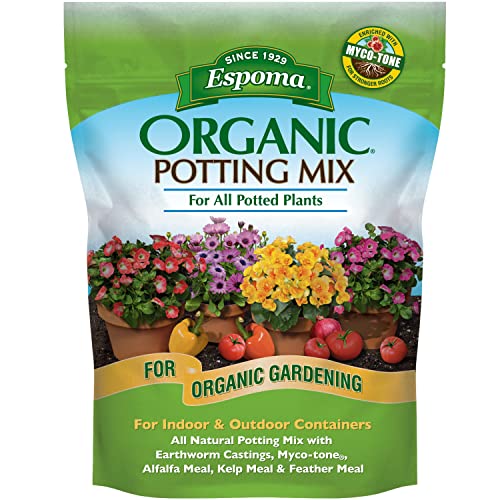
Espoma’s organic potting mix is designed for both indoor and outdoor containers, making it versatile for herb gardeners. It combines sphagnum peat moss and perlite to ensure excellent drainage while retaining moisture appropriately.
The soil is enriched with natural amendments like earthworm castings, alfalfa meal, kelp meal, and feather meal, which encourages vigorous growth and nutrient-rich herbs. The addition of Myco-tone mycorrhizae fungi boosts root development and nutrient absorption for healthier plants.
This mix supports the full lifecycle of container herbs, helping beginners and experienced gardeners alike to maintain thriving sustainable gardens in pots without synthetic additives.
Buying Guide for Herbs and Soil Mixes in Container Gardening
Choosing the Right Potting Soil
High-quality potting soil is essential for container gardening success. Look for mixes that:
- Retain moisture but drain well to prevent root rot and dehydration
- Contain natural, organic ingredients like coconut coir, peat moss, and compost
- Include slow-release fertilizers or natural amendments to feed plants gradually
- Are OMRI certified or labeled organic for chemical-free gardening
- Support beneficial microorganisms such as mycorrhizae for improved root health
Understanding Herb Needs in Containers
When selecting herbs for container gardening, consider their:
- Sunlight requirements: Most herbs need 6+ hours of direct sunlight, but some tolerate partial shade
- Watering frequency: Herbs like thyme prefer drier soil, while basil needs more consistent moisture
- Container size: Larger pots encourage healthier roots and more abundant growth
- Drainage: Pots should have sufficient drainage holes to avoid waterlogging
Useful Gardening Resources
Gardening handbooks such as those by The Old Farmer’s Almanac provide:
- Detailed planting calendars by zone for timing herb sowing and harvesting correctly
- Soil testing advice and amendments to customize your potting mixes
- Companion planting and pest management strategies tailored to small spaces
- Design tips to create attractive and productive container herb gardens
Container Material and Design Considerations
Choosing containers with appropriate materials impacts soil moisture and plant health. Consider:
- Terracotta pots for breathability but higher water loss requiring more frequent watering
- Plastic containers retain moisture longer and reduce watering needs
- Self-watering pots can simplify moisture management
- Using saucers or trays to catch excess water but avoiding standing water
Ongoing Care: Fertilizing and Maintenance
Container herbs need regular feeding to replace nutrients leached by frequent watering. Organic soils with slow-release nutrients can reduce fertilizer frequency. Use liquid organic fertilizers or compost teas during the growing season for optimal herb health.