Choosing the right potting soil is essential to grow thriving herbs, whether you have an indoor kitchen garden or outdoor containers. The best potting soil for herbs provides essential nutrients, retains moisture without waterlogging, and supports root aeration to encourage healthy growth. Below is a summary of top-rated potting soil mixes designed to meet various gardening needs including organic, peat-free, moisture-retentive, and fast-draining blends.
| Product | Brand | Key Features |
|---|---|---|
| Burpee Premium Organic Potting Mix – 9 Quarts | Burpee | All-natural, coconut coir moisture retention, slow-release food for 3 months |
| Professional Indoor Herb Plant Soil – 2.2 Quarts | Leaves and Soul | Promotes drainage and aeration, suitable for various indoor herbs |
| Espoma Organic Potting Soil Mix – 4 Quarts | Espoma | Organic, enriched with earthworm castings and mycorrhizae, for indoor/outdoor use |
| Back to the Roots 100% Organic Potting Mix – 12 Quarts | Back to the Roots | Peat-free, organic, sustainable with moisture control and pH balance |
| Doter Organic Potting Soil Mix – 1 Quart | Doter | Natural blend with peat moss, perlite, coir and worm castings, promotes drainage and aeration |
Burpee Premium Organic Potting Soil Mix

Burpee’s 9-quart potting mix is an all-natural blend crafted with plant food and sustainable coconut coir. This mixture promotes superior seed and root growth while nourishing herbs, vegetables, and flowers. It is OMRI Listed for organic gardening, ensuring safe use around edible plants. Particularly ideal for container gardens, the soil feed plants instantly and contains a slow-release formula that provides nutrients for up to 3 months. The coconut coir component retains moisture efficiently without overwatering, suitable for indoor and outdoor growing environments.
Professional Indoor Herb Plant Soil by Leaves and Soul

This ready-to-use soil mix is designed specifically to support the growth of indoor herbs like basil, thyme, rosemary, oregano, and more. Formulated with peat moss, coco coir, perlite, and dolomite, it offers excellent aeration and maximizes fertilizer absorption to the roots. The soil balances moisture retention and drainage to prevent overwatering, allowing container herbs to flourish in kitchen windowsills and indoor gardens. This product is made in the USA and known for optimizing conditions for all indoor herb varieties.
Espoma Organic Potting Soil Mix
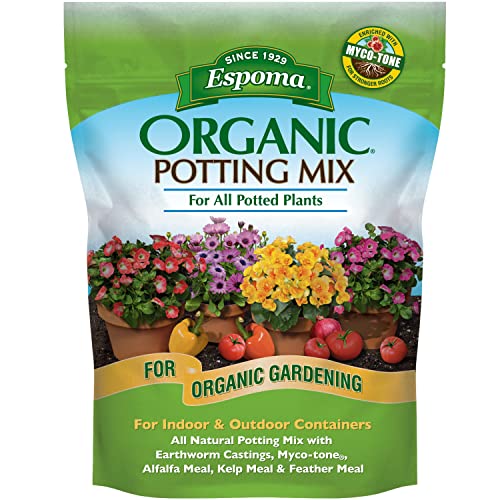
Espoma’s 4-quart mix is an organic blend suitable for both indoor and outdoor containers, ideal for herbs, vegetables, and flowers. Its rich formula contains sphagnum peat moss, humus, perlite enriched with earthworm castings, alfalfa meal, kelp meal, and feather meal. It also includes MYCO-TONE, a mix of beneficial mycorrhizae fungi which enhances nutrient uptake and improves plant resilience. This soil encourages healthy root systems and supports vigorous herb growth in container gardening.
Back to the Roots 100% Organic Potting Mix
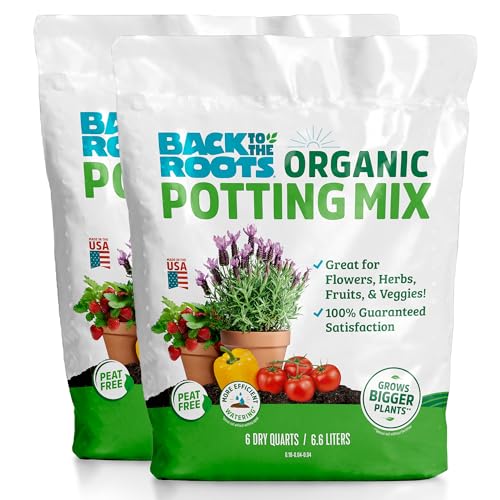
This premium 12-quart potting mix is 100% organic and peat-free, made from upcycled U.S. plant matter and wood fines to reduce environmental impact. It’s an all-purpose potting soil suitable for herbs, vegetables, fruits, and flowers. The blend includes yucca extract for moisture regulation and dolomitic limestone to balance pH levels, helping develop strong, healthy herbs. Perfect for gardeners seeking eco-friendly options with controlled moisture and acidity.
Doter Organic Potting Soil Mix

Doter provides a natural, chemical-free potting soil ideal for herbs, vegetables, and flowers in small containers. The mixture of peat moss, perlite, coconut coir, and worm castings promotes optimal aeration, enhancing root oxygen intake for healthier growth. The naturally occurring perlite expands under heat to improve water drainage and soil breathability, preventing root rot and overwatering issues. This soil mix suits gardeners looking for a lightweight and breathable medium for container herbs.
Buying Guide for Potting Soil for Herbs
Selecting the best potting soil for herbs involves understanding key characteristics that support herb growth and maintenance. Consider the following factors when choosing a soil mix:
1. Nutrient Content and Fertilizer Release
Herbs require balanced nutrition to thrive. Many quality potting soils include a slow-release fertilizer or organic nutrients to provide steady feeding without frequent applications. Look for mixes enriched with organic amendments like kelp meal, alfalfa meal, or earthworm castings.
2. Moisture Retention Without Waterlogging
Herbs prefer soil that retains adequate moisture but drains excess water efficiently to prevent root rot. Ingredients such as coconut coir help maintain moisture levels, while perlite or pumice promote aeration and drainage. The soil should stay damp but not soggy between waterings.
3. Aeration and Root Oxygenation
Good soil aeration is crucial for roots to access oxygen, which supports robust growth and nutrient absorption. Lightweight components like perlite and coarse coconut coir fibers improve breathability. Dense soils can suffocate roots and stunt herb development.
4. Organic and Sustainable Ingredients
Organic and peat-free mixes appeal to eco-conscious gardeners. Certified organic soils avoid harmful chemicals and often include natural fungi or microbes that enhance soil health. Peat-free blends reduce environmental impact and improve soil sustainability.
5. Suitability for Indoor vs. Outdoor Use
Herbs grown indoors require soil blends that address indoor humidity and watering conditions, typically with higher aeration and balanced drainage. Outdoor herb soils might focus more on weather resilience and nutrient retention in larger pots or raised beds. Choose a soil mix labeled for your specific growing environment.
6. Packaging Size and Convenience
Consider how much soil you need based on your garden size. Smaller mixes are convenient for kitchen herb gardens, while larger bags fit outdoor container beds. Pre-mixed soils save labor and ensure a consistent growing medium — ideal for beginners and busy gardeners alike.
By comparing these characteristics against your herb gardening style and environment, you can find the best potting soil to nurture healthy, flavorful herbs in any setting.