Choosing the best potting mix for bonsai is essential to ensuring your trees thrive in a confined space. A quality bonsai soil blend balances drainage, aeration, water retention, and nutrient supply. Below is a summary table showcasing the top potting mixes specifically formulated for bonsai care, highlighting their features and suitability for different bonsai types.
| Product | Key Features | Ideal For |
|---|---|---|
| Bonsai Soil All Purpose Mix by JK Global Imports | Fast-draining, pre-mixed, balanced pH, nutrient rich | All bonsai & container plants |
| Bonsai Jack Succulent, Cactus & Bonsai Soil | Fast drainage, pH optimized (5.5), prevents root rot | Succulents, cacti & bonsai needing dry feet |
| Premium Bonsai Soil Mix by Agra Life | Excellent aeration, organic, chemical-free | Indoor bonsai of all varieties |
| The Soil Sage Premium Bonsai Mix | Akadama, pumice, lava rock blend for drainage & moisture retention | All bonsai tree varieties |
| Doter Premium Bonsai Soil Mix | Scientific all-natural blend, fast drainage, versatile | Wide range of bonsai species |
Bonsai Soil All Purpose Mix | Fast Draining Pre Blend
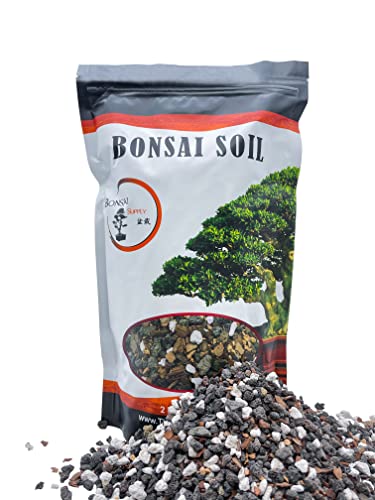
This pre-mixed bonsai soil blends pumice, lava, calcined clay, and pine bark to provide an ideal environment for healthy bonsai growth. Its fast-draining properties and balanced pH help maintain proper moisture without waterlogging roots. The mix also supports nutrient uptake and aeration, making it versatile enough for all container-grown plants, including herbs, cacti, and succulents. Sourced locally in the USA, this ready-to-use soil saves time and effort when repotting your bonsai or other plants.
Bonsai Jack Succulent, Cactus and Bonsai Soil
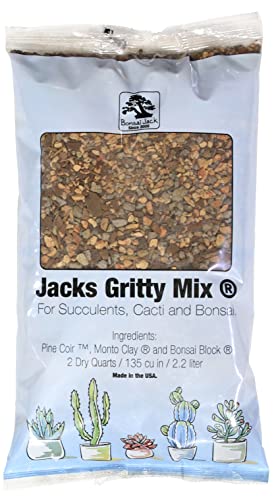
The Bonsai Jack mix is specially formulated to be ultra-lightweight and fast-draining, reducing the risk of root rot common in succulents and cacti. Its pH optimized at 5.5 supports acid-loving plants. Key ingredients include Bonsai Block, Monto Clay, and Pine Coir, making it perfect for species like Echeveria, Haworthia, Jade, and Aloe. This blend helps create a dry but nutrient-sufficient environment beneficial to bonsai with similar moisture needs.
Premium Bonsai Soil Mix for Thriving Indoor Bonsai Trees

This organic bonsai soil mix is designed to provide excellent drainage and aeration essential for indoor bonsai health. It supports a balanced nutrient environment free from harmful chemicals, ideal for maintaining varieties like Juniper and Ficus indoors. The sustainable sourcing of ingredients adds to its appeal for environmentally conscious gardeners.
The Soil Sage 5qts Premium Bonsai Mix – USA Made

Featuring a meticulously balanced blend of akadama, pumice, lava rock, and pine bark fines, this premium mix ensures superior drainage and aeration to prevent root rot. Akadama provides moisture retention while preventing soil compaction, vital for healthy root development. Made in the USA, it caters to various bonsai tree varieties and supports long-term growth with its carefully designed composition.
Doter Premium Bonsai Soil Mix with Enhanced Aeration & Drainage

Doter offers a scientifically-formulated all-natural soil blend including volcanic rock, pine bark, akadama, pumice, perlite, and coconut coir. This professional-grade mix provides rapid drainage and excellent aeration, helping bonsai roots breathe and avoid water stress. It is broadly compatible with species like juniper, pine, ficus, and fir, making it suitable for both novice and experienced bonsai growers.
Buying Guide For Choosing The Best Potting Mix For Bonsai
1. Drainage and Aeration
Bonsai soil must allow water to drain quickly to avoid root rot while maintaining enough air space for healthy roots. Look for mixes containing inorganic components like pumice, lava rock, akadama, perlite, or calcined clay. These ingredients enhance aeration and prevent soil compaction.
2. Water Retention Balance
The soil should retain sufficient moisture without becoming waterlogged. Organic materials like pine bark, compost, or coconut coir can help retain water but must be well balanced to avoid excessive moisture. Akadama is often preferred for its moisture retention without compaction.
3. Nutrient Content and pH
A good bonsai soil mix provides essential nutrients or allows for easy supplementation. The pH should be mildly acidic to neutral (around 5.5 to 7) depending on the species. Specialized mixes optimized for acid-loving plants like junipers may be beneficial for specific varieties.
4. Soil Particle Size and Texture
Particle size affects how water moves and air reaches roots. Coarser particles improve drainage but may dry out quickly, whereas finer particles hold moisture but risk compaction. Optimal bonsai soil blends mix different particle sizes for balanced moisture retention and aeration.
5. Suitability for Bonsai Species
Some bonsai trees have specific soil needs. For example, succulents and cacti need faster-draining soil with dryer conditions, while tropical ficus may prefer mixes that retain more moisture. Choose a mix suited to your bonsai species or select a versatile all-purpose formula.
6. Ready-to-Use vs. DIY Blends
Pre-mixed and sifted soils offer convenience and consistent quality, ideal for beginners or those short on time. Experienced growers might prefer DIY mixes allowing customization to their species’ needs.
7. Organic and Chemical Free
Organic, sustainably sourced ingredients reduce harmful chemical exposure and improve soil health. Ensure your potting mix is free from pesticides or synthetic fertilizers for safer indoor growth.
8. Product Size and Packaging
Consider how much soil you need based on your number and size of bonsai trees. Larger bags may offer better value for multiple trees or frequent repotting. Secure, resealable packaging helps maintain soil freshness.