Protecting crops from chewing pests is essential for healthy vegetables and ornamentals. The following selections focus on caterpillar control, offering targeted action, safety for beneficial insects, and easy application. Each product below is evaluated for effectiveness against common caterpillars such as cabbage looper, tomato hornworm, gypsy moth, and tent caterpillars, while also considering plant safety and environmental impact. Use as directed to maximize results and minimize non-target effects.
| Product | Brand | Type | Key Benefit |
|---|---|---|---|
| Monterey B.t. Kit | Monterey | Bt-based insecticide (Ready to spray) | OMRI Listed; safe for earthworms & bees |
| Fertilome Caterpillar Killer | ferti-lome | Bt Biological Insecticide | OMRI Listed; selective targeting |
| Deepthi Neem Oil | Deepthi | Neem Oil (Pure, cold pressed) | Natural insecticide & fungicide; broad pest control |
| Monterey Take Down | Monterey | RTU Insecticide | Multi-insect control including caterpillars |
Monterey B.t. Bacillus Thuringiensis Bundled With Garden Measuring Spoon

Product overview: This Bt-based insecticide is designed to target caterpillars and worm-type insects, including cabbage looper, bagworm, gypsy moth, and more. Its OMRI-listed status supports organic gardening practices, and the bundle adds a measuring spoon for precise application. It also highlights safety for earthworms & bees when used as directed, making it a balanced choice for edible and ornamental plants.
Why it matters: Bt formulations act as a stomach poison for specific caterpillars, minimizing impact on non-target organisms. The product is versatile across leafy greens, fruiting vegetables, and ornamental trees, offering a convenient spray method for home gardens. Its emphasis on safe use around pollinators and beneficial soil life is a key consideration for eco-conscious growers.
Fertilome Caterpillar Killer with Bt Biological Insecticide

Product use focuses on targeting caterpillars on vegetables, fruits, ornamentals, and shade trees. The Bt-based formulation is designed to selectively target harmful leaf-chewing pests while sparing beneficial insects when applied correctly. It is listed as OMRI, reflecting suitability for organic production. The formula emphasizes user safety with a non-toxic profile for humans and pets, though always follow label directions for application intervals and reentry times.
How to apply: Apply during early larval stages for best results and avoid spraying during flowering to protect pollinators. The product’s targeting helps reduce caterpillar damage without broad-spectrum coverage, preserving overall garden ecology.
Deepthi Neem Oil for Plants
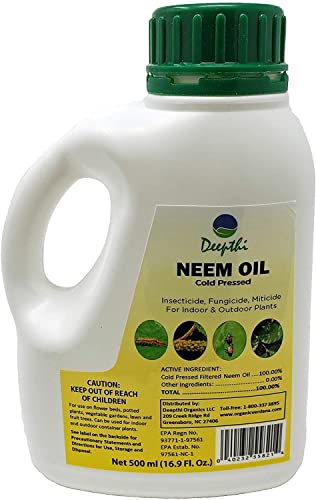
Product is a 100% pure cold-pressed neem oil with no additives, designed for organic pest control and disease prevention. Neem oil can deter and kill caterpillars by disrupting feeding and growth. Beyond caterpillars, it targets aphids, mites, whiteflies, and several beetle species, making it a versatile tool for integrated pest management. It doubles as a fungicide for powdery mildew and other fungal issues, supporting overall plant health from root to leaf.
Application guidance: Dilute according to label instructions and test on a small plant area first to assess phytotoxicity on sensitive species. Regular applications may be required during multiple pest cycles, especially in warm and humid conditions that favor pest outbreaks.
Monterey Take Down Garden Spray RTU

Product is an RTU insecticide offering effective control across multiple life stages, including eggs for listed pests. It combines pyrethrins and canola oil to deliver rapid knockdown and barrier lubrication on contact. Its versatility makes it suitable for fruits, vegetables, and ornamentals, simplifying garden-wide pest management. As with other broad-spectrum formulations, follow label directions to protect beneficial species and minimize resistance development.
Best-use notes: Apply to foliage thoroughly but avoid dripping onto blooms to protect pollinators. The product is designed for both dormant and growing seasons, enabling year-round caterpillar management in many climates.
Buying Guide: Key Considerations for Caterpillar Control
: Bt-based products (Bacillus thuringiensis) are highly selective for caterpillars and some moth larvae, reducing impact on beneficial insects. Neem oil offers broader pest coverage but can affect pollinators if misapplied. Choose based on the pest profile and garden goals. : If you are practicing organic gardening, look for OMRI-listed products such as certain Bt formulations and neem-based products. This helps ensure compatibility with organic standards and regulatory guidelines. : Bt products require ingestion by larvae; timing of application matters. RTU or ready-to-spray formats provide convenience but still require thorough coverage of foliage for contact with feeding larvae. : Consider products designed to minimize harm to bees, earthworms, and other beneficial organisms. Always apply during appropriate times of day and in recommended weather conditions to protect pollinators and soil life. : Some products also offer fungicidal benefits or are effective across a range of pests. Neem oil provides disease control alongside insect suppression, potentially reducing the need for multiple products. : Early intervention yields better results, particularly for caterpillars in young growth stages. Reapply as directed after rain or irrigation if label guidelines permit. : Adhere to label-recommended reentry times and post-harvest intervals to ensure produce safety and consumer confidence. : Rotate among products with different active ingredients to minimize resistance development in pest populations.
Each product above offers distinct advantages depending on the garden context, pest pressure, and organic gardening goals. When choosing, weigh target pest range, environmental impact, and your preferred application method to build a balanced caterpillar management plan that supports productive, healthy plants.