Choosing the best wood for a raised garden bed is essential to ensure durability, soil health, and ease of maintenance. This article presents a curated selection of top wood garden beds designed for varied gardening needs, highlighting their features such as construction materials, mobility, drainage, and overall design. Below is a quick comparison table summarizing key details of these garden beds:
| Product | Wood Type/Material | Size (L×W×H) | Special Features |
|---|---|---|---|
| Best Choice Products Mobile Elevated Wood Planter | Natural wood with liner | 48×24×32 inches | Lockable wheels, storage shelf, protective liner |
| Best Choice Products 8×2 ft Outdoor Wooden Raised Garden Bed | Natural Chinese Fir wood | 96×24×Unknown | Dovetail joints, soil liner, durable all-season build |
| Best Choice Products 48×24×30 Inches Elevated Wood Planter Box | Chinese fir wood | 48×24×30 inches | Water-resistant, proper drainage, 200 lb capacity |
| Yaheetech 8×2 ft Wooden Horticulture Raised Garden Bed | Natural wood | 95×25×11 inches | Divisible sections, easy assembly, multifunctional |
| MIXC Wooden Raised Garden Bed with Legs | Untreated fir wood & Pinus radiata | 48×24.4×31 inches | Beam and column structure, waterproof legs, drainage holes |
Best Choice Products Mobile Elevated Wood Planter With Lockable Wheels
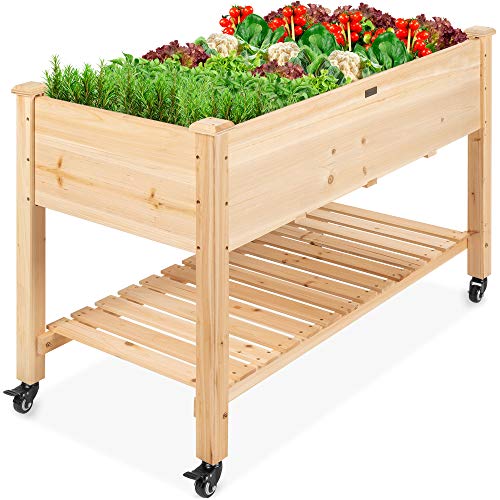
This elevated planter is crafted with natural wood and equipped with a protective garden bed liner that prevents soil contact from damaging the wood. Its 32-inch height easily accommodates gardeners who prefer not to bend over. The inclusion of lockable wheels enhances mobility, allowing easy repositioning to maximize sunlight exposure. A convenient storage shelf provides space for gardening tools, and the liner effectively stops weed growth and invasive species, promoting healthy plants.
Best Choice Products 8×2 ft Outdoor Wooden Raised Garden Bed

Constructed from natural Chinese Fir wood, this 8-foot garden bed is resistant to seasonal wear and discoloration. The pre-sanded panels utilize dovetail joints locked with screw-fastened posts, allowing quick, sturdy assembly without compromising durability. A soil liner separates soil from wood to prevent decay. Its expansive planting surface offers ample room for a variety of vegetables, herbs, or flowers, making it ideal for maximizing garden space.
Best Choice Products Elevated Wood Planter Box With Drainage

This garden bed features an all-wood build of durable Chinese Fir known for weather and water resistance. Designed with a deep 5 cubic feet soil capacity, it provides ample root space to encourage healthy plant growth. A smart drainage system prevents waterlogging and mineral buildup, ensuring soil freshness. With a 200-pound load capability, it is perfect for a variety of backyard, patio, or balcony garden needs.
Yaheetech Divisible Elevated Wooden Garden Bed

Designed for flexibility, this natural wood raised bed can be divided into two growing areas or used as one large planter by removing the central baffle. It suits growing various plants, flowers, or herbs in compact outdoor spaces such as patios and yards. Heavy-duty screws ensure a stable structure while making assembly straightforward. This versatile design supports different planting methods in a single planter box.
MIXC Wooden Raised Garden Bed With Reinforced Legs
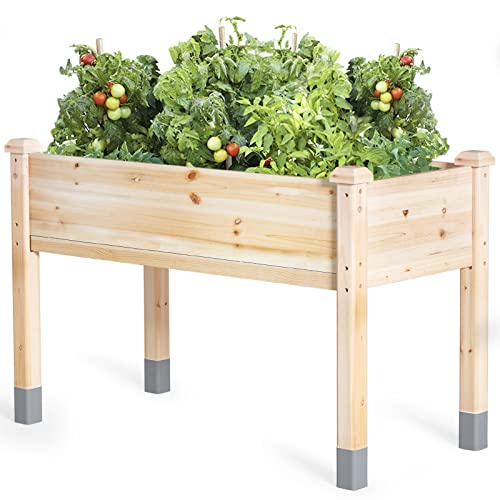
The MIXC planter uses untreated fir wood combined with Pinus radiata for structural strength. Its beam and column design, recommended by woodworking experts, offers superior durability over conventional dovetail joints. Legs treated with waterproof paint prevent rot, extending outdoor lifespan up to three years. Four drainage holes ensure balanced moisture, and a waterproof PE liner is included to protect wood from soil moisture.
Buying Guide: Key Considerations for Wooden Raised Garden Beds
When selecting the best wood for a raised garden bed, consider the following factors to ensure longevity, plant health, and convenient gardening:
Wood Type and Durability
- Natural Fir and Cedar: These species offer resistance to decay and insects. Fir wood is often untreated but durable, while cedar naturally repels pests and withstands moisture.
- Untreated vs Treated: Untreated wood is eco-friendlier but needs liners or coatings to prevent rot. Treated wood lasts longer but check for chemical safety if growing edibles.
Build Quality and Structural Design
- Joinery: Dovetail joints provide stable assembly without metal fasteners, while beam-and-column designs increase strength and longevity.
- Reinforcements: Features like thick legs, cross beams, and waterproof finishings improve support and resistance to outdoor elements.
Drainage and Soil Protection
- Drainage Holes: Essential to prevent waterlogging, they maintain soil freshness and plant health.
- Liners: Plastic or rubber liners prevent wood-soil contact, reducing rot and weed invasion.
Size and Growing Capacity
- Choose garden beds based on available space and plant root depth requirements. Deeper beds (9-12 inches or more) benefit root development.
- Divisible or multi-pocket designs allow varied planting in limited areas.
Mobility and Accessibility
- Lockable wheels and raised designs enhance portability and ergonomics, especially beneficial for gardeners with limited mobility.
- Storage shelves add convenience for tool and material organization.
Balancing these considerations will help in choosing a wooden raised garden bed that supports healthy plant growth and withstands the demands of outdoor gardening for years to come.