Raised bed gardening requires specialized fertilizers to nourish plants effectively and sustain healthy growth. Below is a summary table highlighting the top products chosen for their organic formulations, nutrient balance, and suitability for vegetables, fruits, herbs, and flowers grown in raised beds.
| Product | Brand | Key Features |
|---|---|---|
| Miracle-Gro Performance Organics Raised Bed Plant Nutrition Granules | Miracle-Gro | Natural & organic, supports vegetables, fruits, herbs & flowers, visible results in 7 days |
| True Organic Raised Bed Food | True Organic | Rich organic blend, optimized for raised beds, long-lasting nourishment every two months |
| Miracle-Gro Raised Bed Plant Food | Miracle-Gro | Feeds up to 3 months, designed for various plants, pairs well with Miracle-Gro soil |
| Down to Earth Organic Vegetable Garden Fertilizer 4-4-4 | Down To Earth All Natural Fertilizers | Balanced NPK, slow-release, safe for ecosystem, suitable for many vegetables |
| Scotts Super Bloom Water Soluble Plant Food | Scotts | High phosphorus for blooming, instant feeding, water-soluble formula |
Miracle-Gro Performance Organics Raised Bed Plant Nutrition Granules
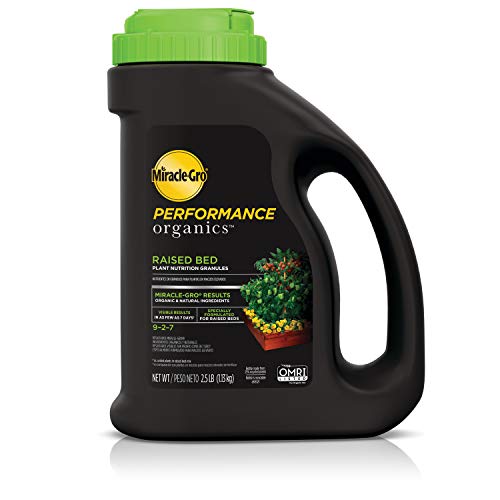
Miracle-Gro Performance Organics Raised Bed Plant Nutrition Granules are formulated with natural and organic ingredients ideal for raised bed gardening. Designed specifically to feed vegetables, fruits, herbs, and flowers, this product feeds plants efficiently to promote healthy growth and productivity. Gardeners can expect to see noticeable improvement in as little as 7 days compared to unfed beds. Its granule form makes for easy application and even distribution within raised beds.
True Organic Raised Bed Food

This organic fertilizer is specially optimized for raised beds and large containers, supporting vegetables, fruits, flowers, and herbs. The rich blend includes seabird guano, shrimp and crab shell meal, offering an abundant natural nutrient source. Its easy-to-use formula requires applications only every two months during the growing season, providing sustained nourishment and encouraging robust plant health throughout.
Miracle-Gro Raised Bed Plant Food

The Miracle-Gro Raised Bed Plant Food is designed to feed your raised beds for up to 3 months, targeting a wide variety of fruits, flowers, vegetables, and herbs. For an enhanced growing experience, it is recommended to use alongside Miracle-Gro Raised Bed Soil to boost harvest yields. This formula ensures plants receive timely nourishment to support vigorous growth and flowering.
Down to Earth Organic Vegetable Garden Fertilizer 4-4-4

This all-natural, OMRI listed fertilizer offers a balanced 4-4-4 NPK ratio, delivering nutrients slowly over time to prevent leaching and protect plants. It is environmentally safe, non-toxic to pollinators and pets, making it an excellent choice for sustainable gardening. Easy to apply directly to soil or mix into garden beds, it’s suitable for various vegetable crops in raised beds.
Scotts Super Bloom Water Soluble Plant Food
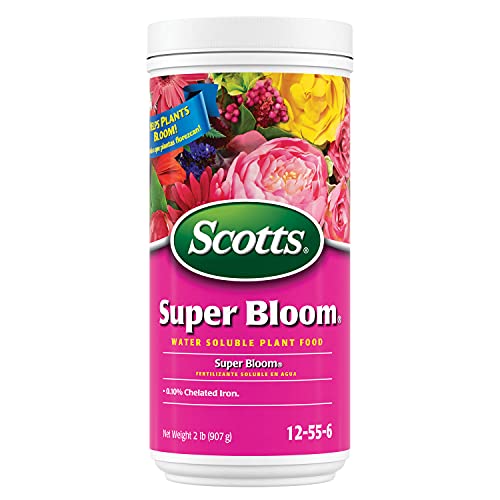
Ideal for outdoor flowers and fruiting plants in raised beds, Scotts Super Bloom delivers a high phosphorus blend with an NPK of 12-55-6. This water-soluble fertilizer feeds plants instantly and supports blooming. Regular feeding every 1-2 weeks ensures continuous nutrient availability for vibrant blossoms and healthy fruits.
Buying Guide: Choosing the Right Fertilizer for Raised Beds
When selecting fertilizers for raised beds, consider these key factors to ensure optimal plant growth and soil health:
1. Nutrient Composition (NPK Ratio)
The right balance of nitrogen (N), phosphorus (P), and potassium (K) is critical. Nitrogen encourages leafy growth, phosphorus supports blooms and roots, while potassium strengthens overall plant health. For vegetables and herbs, a balanced or slightly higher nitrogen fertilizer is ideal, while flowering plants benefit from fertilizers with higher phosphorus.
2. Organic vs. Synthetic
Organic fertilizers, such as those with natural ingredients like composted manure or guano, enhance soil structure and microbial life while providing nutrients slowly. Synthetic fertilizers often provide quicker nutrient release but may not improve soil health long-term. Choose based on your gardening philosophy and soil needs.
3. Application Frequency and Duration
Raised bed fertilizers vary in how long they feed plants—from quick-release types requiring frequent application to slow-release formulas lasting several months. Consider how much maintenance you want to perform and the types of plants you grow.
4. Specificity for Raised Beds
Some fertilizers are formulated exactly for raised bed conditions, accounting for the typically lighter, well-drained soils. These blends can improve nutrient retention and promote better root development compared to general-purpose garden fertilizers.
5. Soil and Plant Compatibility
Test your soil or evaluate your plants’ needs to select fertilizers accordingly. Some products are designed for vegetables, others for flowers or all-purpose use. Using a fertilizer matched to your crops enhances efficiency and reduces nutrient waste.
6. Environmental Safety
Select fertilizers that are safe for beneficial insects, pets, and the larger ecosystem. OMRI certification or similar organic listings ensure environmentally responsible formulations. Avoid products that may lead to nutrient runoff or soil degradation.
7. Ease of Use and Application Method
Granules, powders, and water-soluble fertilizers each have pros and cons. Granules and powders are easy to spread and often provide slow-release nutrients, while water-soluble formulas enable quick feeding but require dilution and regular applications.
By balancing these considerations, gardeners can select the best fertilizer to boost growth, enhance yield, and maintain healthy soil in their raised beds throughout the growing season.