Choosing the right sandbox sand can impact sensory play, building projects, and outdoor exploration. This guide reviews five highly rated options, highlighting texture, safety, and versatility for indoor setups, outdoor yards, or therapy spaces. Each product supports molding, digging, and imaginative play while keeping mess manageable and materials safe for kids of all ages.
The following summary table compares key details of the selected sands, including bag size, texture notes, and primary uses. While prices can vary, these considerations help identify suitable choices for different play environments and ages.
| Product | Brand | Bag Size | Texture & Texture Notes | Best For |
|---|---|---|---|---|
| Sun Joe Silica Play Sand | Sun Joe | 20 Lb | Ultra-clean, natural white silica, soft and smooth | Small play spaces, therapy tables, indoor projects |
| Classic Sand & Play Sand | CLASSIC SAND & PLAY | 20 Lb | Premium-grade, washed and dried, non-toxic | Indoor/outdoor sand tables, classrooms, therapy |
| Sun Joe Silica Play Sand | Sun Joe | 50 Lb | Natural, high-quality silica with consistent grain | Larger sandboxes, outdoor use, group play |
| Sandpiper Multiuse Play Sand | Sandpiper | 50 Lb | 99% silica, clean and safe for kids | Outdoor sandboxes, sensory bins, crafts |
| U.S. Silica Large Play Sand | U.S. Silica | 50 Lb | Fully washed, fine texture, low-dust | Home use, chores, classrooms, art trays |
Sun Joe Silica Play Sand — 20 Lb Bag

Sun Joe’s ultra-clean white silica sand provides a soft, smooth texture ideal for molding, digging, and sculpting. The 20-pound bag is a compact choice for smaller play areas or sensory setups. Its natural composition supports a variety of activities, including therapy sessions and garden projects. The sand’s tactile quality aids fine motor skills and imaginative development for children and adults exploring textures.
Classic Sand & Play Sand — 20 Lb
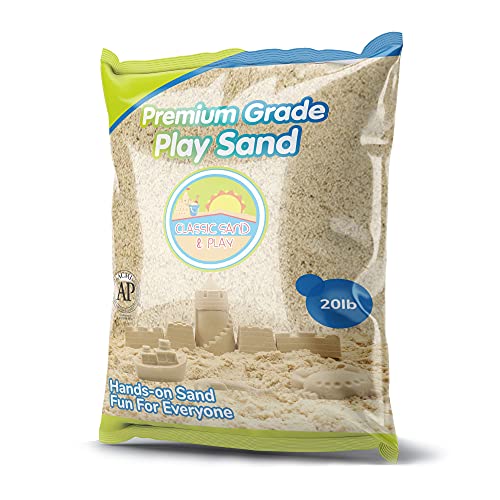
This premium-grade play sand is washed, dried, and non-toxic, designed for both indoor and outdoor use. It’s a reliable choice for sandboxes, sand tables, classrooms, and therapy activities. The material supports safe, imaginative play, helping children develop hand-eye coordination and creative expression through sculpting and building tasks.
Sun Joe Silica Play Sand — 50 Lb

A larger 50-pound bag of natural silica sand offers the same soft texture and versatility for bigger sandbox setups or shared play spaces. Its high-quality, clean composition makes it suitable for therapeutic activities, sensory bins, and general crafting projects that require a dependable, consistent grain size that’s gentle on hands and skin.
Sandpiper Multiuse Play Sand — 50 Lb
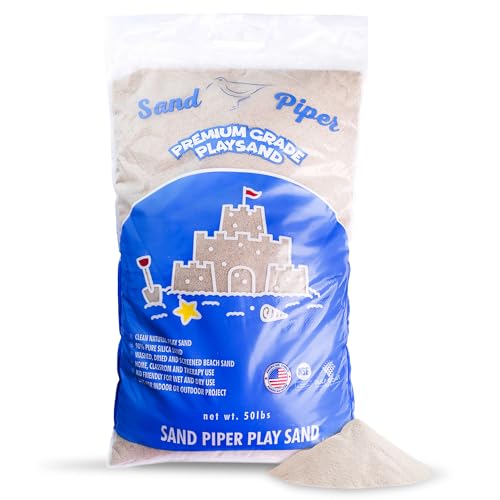
Sandpiper’s 50-pound bag emphasizes clean, safe play with 99% silica content and consistently sized grains. This sand is well-suited for outdoor sandboxes, sensory bins, or classroom projects. The smooth texture facilitates easy molding and durable sandcastle construction, making it a practical option for families and educators alike.
U.S. Silica Large Play Sand — 50 Lb

U.S. Silica’s 50-pound bag emphasizes a soft, fine texture with thorough washing to remove debris. This low-dust option is ideal for homes, daycare centers, and classrooms seeking a reliable, safe sand for breath-friendly play, art trays, and sand-based sensory activities.
Sandpiper Multiuse Play Sand — 25 Lb

This 25-pound variant from Sandpiper offers the same clean, 99% silica composition and versatile use cases as its larger counterpart. It’s a practical option for spaces with limited storage or for families testing play sand before committing to a larger bag. The consistent grain size supports reliable moldability and predictable performance in sensory and building activities.
Buying Guide: Key Purchase Considerations
Texture and purity: Look for polished, washed silica sand with minimal dust. A fine, consistent grain size is easier to mold and reduces irritation during handling, especially for young children and sensitive users.
Bag size and storage: For households with different play areas or for classrooms, consider whether you need multiple smaller bags or a single large bag. Storage space and frequent use should guide bag size choices.
Safety and non-toxicity: Ensure the product is labeled non-toxic and suitable for children’s play. Sand used indoors should have low dust and be free from harmful chemicals to minimize respiratory concerns.
Indoor vs outdoor suitability: Some sands are optimized for indoor sensory tables, while others are designed for outdoor sandbox use. If you expect both environments, choose a versatile option or keep two bags for different settings.
Therapy and educational value: Sands that emphasize tactile feedback and motor skill development can support sensory integration activities. Consider brands that highlight benefits for fine motor skills and imaginative play.
Ease of cleanup: Fine, low-dust sands typically create less mess but may require more sweeping or containment methods. Weigh portability and storage options against cleanup considerations.
Durability for building play: Sands with consistently sized grains tend to hold shapes better when building castles or molds. This is important for both kids’ creativity and durability of constructions in sand projects.
Brand reputation and safety testing: Reputable brands with documented safety tests can offer greater assurance for long-term use in homes and classrooms. Reading product descriptions and reviews helps evaluate reliability.
Environmental impact: If sustainability matters, check for sands sourced with minimal processing impact and consider whether packaging is recyclable or reusable.
Price-to-performance balance: While not listing prices, compare the expected use to bag size. Larger bags may be more cost-effective for frequent use, but smaller options can reduce waste for limited experiments or trials.