Sprouting and microgreens enthusiasts can choose from a range of bulk sunflower seeds designed for high germination, rich flavor, and versatile use. The selections below highlight trusted brands offering non-GMO and organic options suitable for sprouts, microgreens, and garden projects. Read on to compare features, germination potential, and practical uses for each product.
| Product | Brand | Format | Notable Feature |
|---|---|---|---|
| Whole Sunflower Sprouting Seeds: 5 Lb | Mountain Valley Seed Company | High-yield, versatile for sprouts and animal feed | |
| Nature Jims Sprouts Sunflower Seed (8 oz) | Nature Jims Sprouts | Certified organic, non-GMO, chemical-free | |
| Organic Sunflower Sprout Seeds (8 oz) | Sereniseed | US-sourced, tested for pathogens, OTCO certified | |
| 1.5 Lb Organic Black Oil Microgreens | Handy Pantry | Various sprouting methods, nutrient-dense microgreens | |
| Seedboy Organic Sunflower Seeds (8 oz) | Seedboy | USDA Organic, high germination, tested |
Product Selections
Whole Sunflower Sprouting Seeds: 5 Lb

These high-yield black oil sunflower seeds are offered in a large 5-pound bag, providing a substantial supply for consistent sprouting and microgreens production. The seeds are non-GMO and include more than 128,000 individual kernels, delivering crunchy, nutty microgreens ideal for salads, wraps, and juicing. They are suitable for indoor windowsill setups or outdoor beds, with a focus on robust germination and reliable growth. The versatile seed batch also supports ornamental gardening and potential use as animal feed in mixed applications.
Nature Jims Sprouts Sunflower Seed

This Organic Black Oil Sunflower Sprouts option is certified organic and non-GMO, produced on American farms without chemicals or preservatives. The product emphasizes heart-healthy nutrition through vitamins and minerals and highlights a flavor profile that enhances salads, bowls, and sandwiches. Aimed at health-conscious growers, the seeds are described as easy to plant with quick sprouting, suitable for soups and as a dietary boost for various meals. The packaging supports sustainable, chemical-free farming practices.
Organic Sunflower Sprout Seeds (8 oz)
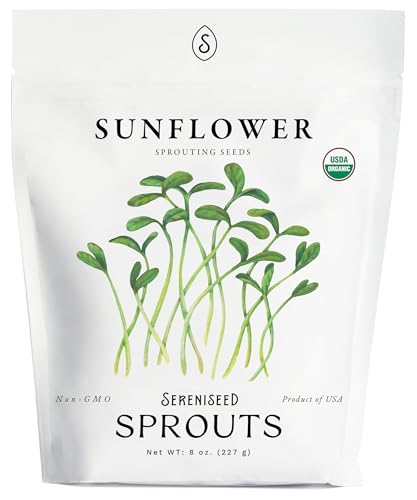
Sereniseed’s Organic Sunflower Sprout Seeds are an 8-ounce offering that emphasizes non-GMO, heirloom quality with organic certification by Oregon Tilth. The batch is US-sourced and tested for pathogens to support safe sprouting outcomes. The seeds provide essential nutrients, including vitamin E, zinc, and magnesium, contributing to immune support and energy. The brand notes climate-controlled storage to help sustain germination rates, making this a dependable choice for home sprouters and microgreen enthusiasts.
1.5 Lb Organic Black Oil Sunflower Microgreens
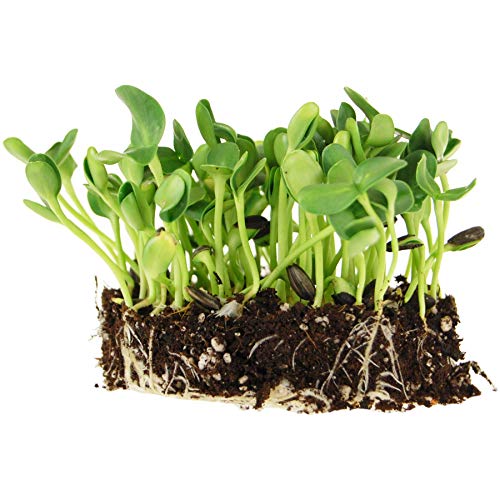
Handy Pantry offers a 1.5-pound shell-on option designed for both sprouts and microgreens. The description emphasizes vegan, paleo, and raw suitability, underscoring health-focused markets. Seeds can be grown in trays or jars, supporting easy transition from sprouting to microgreen production. The product highlights versatile mediums and quick growth timelines, appealing to home cooks and batch producers seeking consistent flavor and crunch in breakfasts, lunches, and dinners.
Anthony’s Organic Hulled Sunflower Seeds

Anthony’s offers hulled, organic sunflower seeds that are raw, unsalted, and gluten-free. While not sprouting-specific in texture, hulled seeds are widely used in snacking, baking, and seed mixes, including sprouting contexts where shells are removed post-harvest. The product is labeled as non-GMO and batch-tested, aligning with allergy-conscious and keto-friendly dietary preferences. This option provides a versatile seed base for a variety of culinary applications beyond direct sprouts.
Seedboy Organic Sunflower Seeds for Sprouting

Seedboy presents a non-GMO, USA-grown organic mix of black oil sunflower seeds designed for sprouting and microgreens. The product promises high germination rates and easy cultivation in jars or trays, with an emphasis on delivering vitamin-rich sprouts in under a week. The seeds are certified organic by OTCO, ensuring adherence to strict organic standards in farming and processing, and packaged to support consistent quality across batches.
Todd’s Seeds Black Oil Sunflower Sprouting Seeds

Todd’s Seeds provides a shell-on format tailored for sprouting and microgreen growth with a focus on non-GMO and chemical-free production. The product aligns with home sprouters looking for a compact option that supports microgreens, sprouts, and quick harvest timelines. The listing repeats several phrases about microgreens growing trays and sprouting jars, reinforcing the practical, DIY nature of sunflower sprouting projects for beginners and seasoned growers alike.
Buying Guide: Key Considerations For Sunflower Sprout Seeds
Choosing the right bulk sunflower seeds for sprouts and microgreens involves assessing germination potential, sourcing integrity, and end-use versatility. Consider the following perspectives to guide a informed purchase decision:
- Germination and viability: Look for seeds specifically marketed for sprouting or microgreens, and note organic or non-GMO certifications as indicators of purity and freshness. Fresh, well-stored seeds typically yield higher germination rates.
- Shell status and processing: Shell-on seeds are common for sprouting, while hulled seeds are convenient for eating or quick snack mixes. Shell status can affect sprouting timelines and required prep.
- Certification and sourcing: Organic or OTCO-certified seeds ensure adherence to stricter farming practices. USA-grown seeds may appeal to buyers prioritizing domestic agriculture and traceability.
- Nutrition and flavor profile: Sunflower sprouts deliver nutty flavors and vitamin E, zinc, and magnesium. Depending on the intended use (salads, smoothies, sandwiches), flavor impact and texture matter.
- Storage and shelf life: Climate-controlled storage or cool, dark storage helps maintain germination potential. Check packaging integrity and batch codes to estimate freshness.
- Versatility and use cases: Beyond sprouts, many buyers use bulk seeds for microgreens, ornamental gardening, or animal feed. Consider how your plan aligns with product versatility.
- Accessibility and price per batch: Large-format bags reduce per-unit costs but require more storage and planning. Weigh the upfront quantity against your weekly sprouting output.
When evaluating options, compare certifications, germination data where provided, and compatibility with your sprouting setup—jar-based systems, seed trays, or balcony gardens. The best choices balance reliability, safety, and practicality for sustained sprouting projects.