Raised garden beds demand materials that balance durability, ease of maintenance, and weather resistance. This guide highlights five top decking and raised-bed products across wood, composite, and metal options, helping American gardeners choose boards and panels that withstand moisture, sun exposure, and heavy use while keeping installation simple. Each entry includes core features, practical considerations, and how it fits typical raised-bed projects.
| Product | Material Type | Use Case | Key Benefit |
|---|---|---|---|
| ShunHong Polymer Composite Interlocking Deck Tiles | HDPE + recycled wood fibers (composite) | Outdoor decks, patios, poolside | Durable, waterproof, low maintenance |
| Yaheetech Wooden Horticulture Raised Bed | Solid wood (natural) | Vegetables, herbs, flowers in backyard/patio | Flexible planting, stable single-piece design |
| Backyard Expressions Wooden Raised Garden Bed | Natural wood with bed liner | Outdoor vegetable, flower, herb beds | Ergonomic height, protective liner for longevity |
| Keter 48″ x 48″ Wood Look Raised Bed | Wood-look composite (Evotech) | Herbs, vegetables, flowers | Durable, quick assembly, weather resistance |
| Permade Galvanized Raised Bed | Galvanized steel | Raised beds for vegetables and flowers | Rugged, rust-resistant, quick tool-free assembly |
ShunHong Polymer Composite Interlocking Deck Tiles

ShunHong offers interlocking composite tiles designed for outdoor use, including deck areas around raised beds. The tiles blend high-density polyethylene with recycled wood fibers to create a durable, waterproof surface that resists deformation and cracking in various climates. An interlocking design enables DIY installation without tools, and the open mesh underside helps prevent water pooling. Maintenance is minimal—brooms or a simple rinse keep surfaces clean. The material choice aims to reduce long-term maintenance costs and extend service life beyond traditional wooden tiles.
Key considerations for this option include installation versatility on irregular ground and the long-term savings from lower maintenance. While ideal for flat areas, these tiles can form a stable base around raised beds that need a clean, dry surface. The product is suited for poolside and patio contexts, providing a moisture-resistant surface that supports foot traffic and garden equipment between beds.
Yaheetech Wooden Horticulture Raised Bed
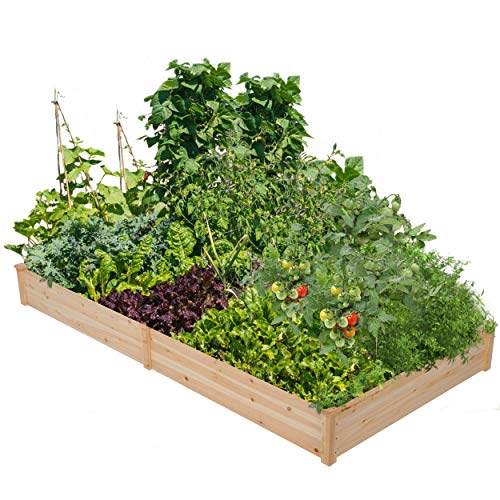
This raised bed from Yaheetech is a solid wood planter designed for flexibility in planting layouts. It emphasizes a durable wooden construction free of paint, supporting long-term outdoor use with a natural appearance. The bed is divisible, allowing gardeners to split the space for different plant families or to rearrange configurations as needs change. A complete side plate adds stability, making assembly straightforward and ensuring the raised bed remains sturdy in windy or damp conditions.
Consider this option if you prioritize natural aesthetics and a traditional woodworking feel. Wood requires regular maintenance to preserve color and longevity, especially in regions with heavy rainfall or intense sun. The divisible design provides creative planting options, such as separate sections for herbs and vegetables or for companion planting schemes, while maintaining a compact footprint for patios or small yards.
Backyard Expressions Wooden Raised Garden Bed
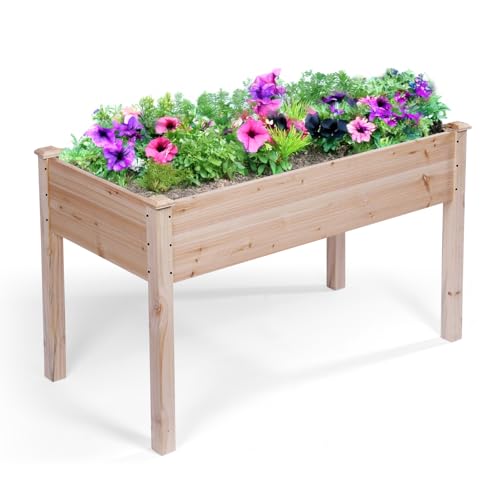
This elevated planter from Backyard Expressions focuses on ergonomic gardening with a 30-inch height, reducing bending and kneeling strain. The bed is crafted from natural wood to deliver an appealing, classic garden look. A bed liner is included to protect the wood, reduce weed growth, and promote healthier plant development by limiting soil contact with the wood. This combination supports longer-term bed longevity and a cleaner growing environment for vegetables, flowers, and herbs.
Ideal for gardeners who want ready-to-use structure with comfort in mind. Wood maintenance—staining or sealing—can extend life in exposed climates, and the liner adds a practical barrier against moisture and pests. The overall design emphasizes accessibility and straightforward installation, making it suitable for first-time raised-bed gardeners and experienced hobbyists alike.
Keter 48″ x 48″ Wood Look Raised Bed

The Keter raised bed blends the look of traditional wood with the resilience of Evotech composite. The dimensions provide a generous planting area, and its weather-resistant composition helps it withstand outdoor exposure without frequent painting or sealing. Assembly is designed to be quick and user-friendly, often achievable in minutes with minimal tools. This option suits gardeners seeking a low-maintenance, durable bed that mimics the warm aesthetics of wood without the typical upkeep demands of real timber.
Consider this choice if you value a contemporary wood look with improved moisture resistance. While maintenance needs are lower than real wood, some care such as occasional cleaning is still advisable to preserve the finish and prevent debris buildup in joints. The 48 by 48 inch footprint supports a wide range of vegetables, herbs, and ornamental plants in medium-to-large spaces.
Permade Galvanized Raised Garden Bed
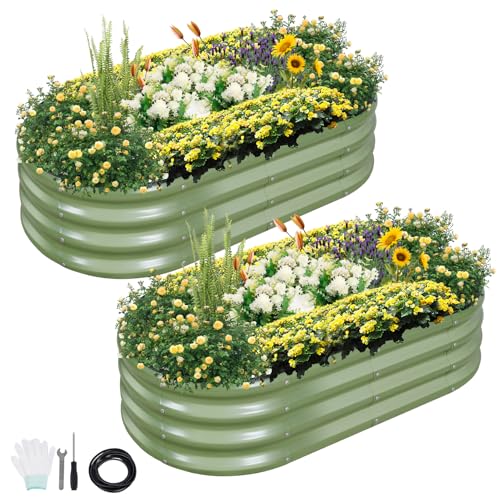
The Permade galvanized raised bed uses steel with a protective coating to resist rust and deformation, delivering a robust option for long-term outdoor use. The kit includes installation tools and uses upgraded butterfly nuts for faster, tool-free assembly. Its rounded edges and folded design emphasize safety, reducing the risk of cuts during setup and maintenance. This metal bed is well-suited for gardeners seeking a high-strength option capable of withstanding harsh weather and heavy use.
Practical considerations include ensuring proper drainage and avoiding excessive heat buildup in hot climates. Metal beds can warm soil more quickly than wood or composite, which can affect heat-sensitive crops. Pairing with a liner or mulch around the base can help moderate soil temperature and moisture levels, while the quick assembly reduces setup time for larger garden projects.
Buying Guide: Key Purchase Considerations
- Material and climate: Wood offers natural aesthetics but may require more upkeep in wet or hot conditions. Composites and metals tend to require less maintenance and provide greater longevity in harsh climates.
- Maintenance needs: Consider whether you’re willing to seal, stain, or treat wood periodically, or if you prefer low-maintenance surfaces like certain composites or metal.
- Installation and versatility: Interlocking tiles and modular beds simplify setup on uneven ground and allow for flexible layouts as gardens evolve. Tool-free assembly is a plus for quick projects.
- Drainage and bottom design: Open-bottom frames or breathable mesh support better drainage and root health. Ensure bed designs match your drainage strategy for the chosen crops.
- Ergonomics and accessibility: Elevated beds reduce back strain and kneeling effort. Ergonomic heights can improve comfort for gardeners with mobility considerations.
- Durability and safety: Look for rounded edges, stable corner joints, and corrosion-resistant coatings, especially for metal beds or beds near water features.
- Environmental considerations: Recycled content in composites and sustainably sourced wood may align with eco-friendly goals. Benchmark durability against expected weathering in your area.
In summary, the best decking boards for raised beds balance durability, maintenance, and ease of installation. For wooden aesthetics with moderate upkeep, consider Backyard Expressions or Yaheetech. For low-maintenance options with a wood-like finish, Keter’s wood look bed offers durability with easier care. If a quick, tool-free setup and modular flexibility are priorities, ShunHong’s interlocking tiles provide a versatile outdoor surface around the beds. For rugged, long-lasting durability in exposed settings, Permade galvanized beds deliver strong performance.