Choosing the right beneficial insects and related products can support plant health, boost pollination, and reduce pest pressure naturally. This article reviews five Amazon offerings that align with a garden-friendly approach, highlighting how they work, what to expect, and practical tips for use. The selections cover wildflower mixes, biological controls, ready-to-use soaps, and insect habitats to foster a thriving outdoor space.
| Product | Brand |
|---|---|
| Beneficial Bug Wildflower Mix | Lawn Seed Feed |
| Bug Sales Trichogramma | Bug Sales |
| NATRIA Insecticidal Soap | Natria |
| Lulu Home Insect House | Lulu Home |
Beneficial Bug Wildflower Mix

The Beneficial Bug Wildflower Mix blends multiple varieties to create a colorful, pollinator-friendly display while supporting beneficial insects. The seeds are packaged in a resealable pouch to protect freshness by limiting moisture exposure, air contact, and light exposure that can reduce germination viability. A diverse mix promotes continuous blooms across the growing season and invites a broader range of pollinators to your garden, helping plants set fruit and seeds more efficiently.
Features emphasize color diversity, extended bloom periods, and a healthier garden ecosystem. Growers can expect a lively landscape with varying shapes and colors, contributing to both aesthetics and ecological balance. This mix leverages natural pollination dynamics, reducing the need for synthetic inputs in many landscapes.
Bug Sales Trichogramma

Trichogramma eggs are a biological control option designed to target pest caterpillars. The product includes three hanging cards with roughly 12,000 eggs total and a live delivery guarantee, aiming to introduce beneficial wasps that parasitize pest larvae. Used as part of an integrated pest management plan, Trichogramma can help reduce pest pressure without chemical interventions, supporting healthier plant growth and yield in various garden settings.
The packaging is designed for easy deployment, and the eggs hatch into parasitoid wasps that seek out caterpillar hosts, potentially lowering damage from common garden pests. As with any biological control, timing and compatibility with existing plant care practices influence effectiveness.
NATRIA Insecticidal Soap

NATRIA Insecticidal Soap is a ready-to-use spray designed for indoor and outdoor plants. It targets common soft-bodied pests like aphids, mealybugs, mites, and whiteflies, helping to manage infestations without harsh chemicals. The product is labeled for use up to the day of harvest in organic gardening contexts, offering a flexible option for preventive and reactive care.
Application is straightforward: simply spray affected foliage, ensuring thorough coverage of both upper and lower leaf surfaces. While effective against many soft-bodied pests, it’s important to avoid plant stress from repeated applications and to test on sensitive plants first. This product can be a cornerstone in a broader IPM strategy alongside beneficial insects and habitat creation.
Lulu Home Insect House
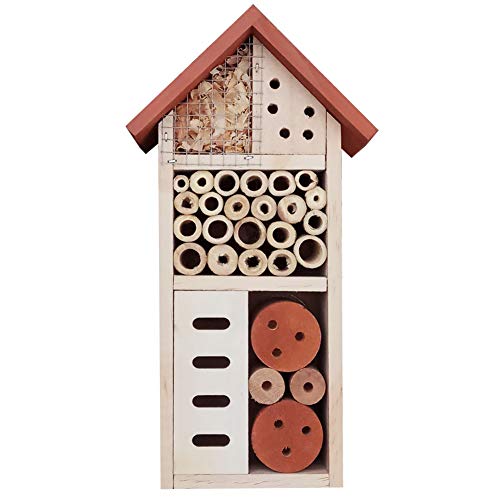
The Lulu Home Wooden Insect House provides shelter for beneficial insects such as bees, butterflies, ladybirds, and lacewings. By creating a safe habitat, the hotel supports natural pollination, pest control, and nutrient recycling as resident insects contribute to the garden’s ecological balance. The multi-compartment design uses varied materials to accommodate different species, encouraging a diverse community of insects to settle in the landscape.
Gardeners benefit from a steady presence of pollinators and natural predators, potentially reducing pest outbreaks. Placing the insect hotel in a sunny, sheltered spot can improve occupancy rates and long-term vitality of the beneficial insect population.
Buying Guide
Key considerations when selecting beneficial-insect products for plants include purpose, environment, and compatibility with current gardening goals.
- Target pests and pollinators: Choose products that align with existing pest pressures (aphids, mites, caterpillars) and pollination needs. Biological controls like Trichogramma are pest-specific, while insecticidal soaps provide broader coverage for soft-bodied pests.
- Garden type and location: Wildflower mixes work well in sunny yards and pollinator corridors; shade-tolerant mixes may be better for understory plantings. Consider habitat features to support year-round insect presence.
- Application timing: Some products have optimal deployment windows (eggs hatch timing, pest life cycles). Plan with seasonal pest forecasts and plant growth stages to maximize impact.
- Safety and organics: Ready-to-use soaps can fit organic gardening plans, provided labels are followed. Always test on a small plant area if unsure about sensitivity.
- Habitat diversification: Combining a habitat structure (insect house) with food sources (wildflower seeds) and pest management (soap or biologicals) supports a resilient garden ecosystem.
- Long-term maintenance: Resealable seed pouches help maintain germination viability, while ongoing monitoring ensures remedies remain appropriate as conditions change.
When comparing options, assess whether the goal is immediate pest suppression, enhanced pollination, or sustained ecological balance. A layered approach—habitat creation, biological controls, and compatible sprays—tends to yield resilient gardens with healthier plants and more robust pollinator activity.