When protecting houseplants, vegetable starts, or garden beds, choosing a plant-safe spray that effectively targets insects without harming people or pets is essential. The following products prioritize natural or plant-based actives, fast results, and safe application in homes and gardens. This guide compares several popular options to help you pick the right fit for your space and pest needs.
| Product | Active Approach | Use Case | Safety/Notes |
|---|---|---|---|
| STEM Kills Ants, Roaches And Flies | Plant-based botanical extracts | Indoors and outdoors; around people and pets as directed | Fresh scent; no added dye or harsh chemical odors |
| EcoVenger by EcoRaider | Plant-based extracts; kills eggs | Household pests; multi-surface use | Pet- and child-safe when used as directed |
| Mighty Mint Peppermint Plant Protection Spray | Plant-based peppermint oils | Indoor and outdoor plant protection | Easy application; safe when used as directed |
| Mighty Mint Peppermint Oil Insect Repellent Spray | Concentrated peppermint oil | Indoor and outdoor areas; baseboards, entryways | Pet-friendly and family-safe when used as directed |
| Zevo Flying Insect Killer Spray | Essential oils (rosemary, cornmint); fast on-contact formula | Indoor and outdoor use; flies, gnats, mosquitos | No messy residue; safe when used as directed |
Note: The products listed above emphasize plant-based or natural actives and are designed to minimize harsh chemical odors while providing quick knockdown of common pests around plants. Always follow label directions for best results and safety considerations.
STEM Plant-Based Insect Killer

- Kills ants, roaches and flies quickly with a plant-based active ingredient
- Safe for use around people and pets when used as directed
- Entomologist tested; botanical extracts provide a fresh scent without added dyes or harsh odors
EcoVenger All Purpose Insect Control

- Kills a wide range of pests fast on contact
- Plant-based and pet-safe formula for homes and pet areas
- Dual action: kills insects and eggs to prevent re-infestation
Mighty Mint Peppermint Plant Protection Spray

- Easy application with a plant-based formula
- Safe around people and pets when used as directed
- Powerful peppermint-based protection for plants and surrounding areas
Mighty Mint Peppermint Oil Insect Repellent Spray
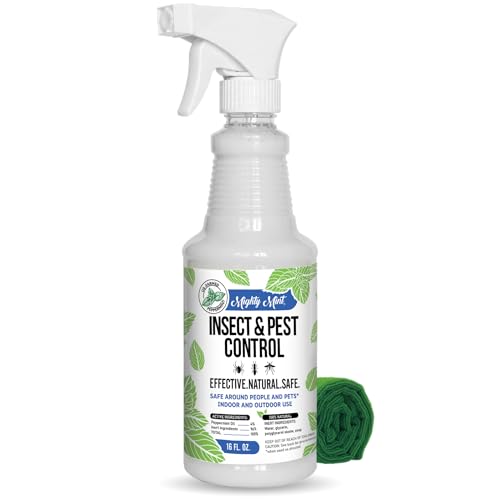
- Extra-concentrated peppermint oil for potent plant-based pest control
- Pet-friendly and family-safe when used as directed
- Effective indoors and outdoors; repels spiders, ants, roaches and more
Zevo Flying Insect Killer Spray

- Kills flies, gnats, mosquitos and more on contact
- Fast-acting formula; no messy residue
- Powered by essential oils (rosemary and cornmint) for plant-friendly use
VermExon Peppermint Oil Insect & Pest Control Spray

- Plant-based peppermint oil provides fast contact kill and lasting protection
- Safe for home and kitchen use; family-friendly formula
- High purity and stable formula; minimal residues on surfaces
Buying Guide: Key Purchase Considerations
When choosing a fly spray for plants, consider pest targets, application area, and safety. Plant-based sprays are generally gentler on indoor plants and household surfaces, but effectiveness can vary by insect type and life stage. Look for products that:
- Match your pest profile: For ants, roaches, and flies, select a spray that rapidly affects multiple pests and, if possible, also targets eggs to slow re-infestation.
- Are labeled for plant and household use: Ensure the product is safe around plants and accessible living spaces when used as directed.
- Contain transparent active ingredients: Plant-based or essential oil-based actives with clear labels help you assess safety for children, pets, and pollinators nearby.
- Offer indoor/outdoor versatility: If you’re protecting patio plants or indoor greenery, choose a product vetted for both environments.
- Minimize residue and odors: Some users prefer sprays with fragrances-free formulas or natural scents suitable for living spaces and offices.
Additionally, always follow label directions, perform a small test on a leaf or plant surface, and avoid spraying directly onto flowers if you’re concerned about pollinators. For households with pets, plan application times when animals are away or use closed rooms to reduce exposure. If pests persist, consider an integrated approach that includes physical barriers, sanitation, and targeted spot treatments.