Choosing an insecticidal soap for plants can help manage aphids, whiteflies, spider mites, and other soft-bodied pests while minimizing harm to beneficial insects and the environment. This guide highlights top-ready-to-use and concentrate formulas suitable for indoor, outdoor, and greenhouse use. Each product below is evaluated for ease of application, suitability for edible crops, and broad pest coverage, helping American gardeners select a reliable option for ongoing plant protection.
Summary Table of Selected Products
| Product | Brand | Format | |
|---|---|---|---|
| Garden Safe 32 oz Insecticidal Soap Ready-to-Use | Garden Safe | Ready-to-use spray | No mixing required; versatile for indoors, outdoors, and greenhouses |
| Safer 5118-6 Insect Killing Soap Concentrate | Safer | Concentrate | OMRI-listed for organic use; broad pest control |
| Bonide Insecticidal Soap, 32 oz Ready-to-Use | Bonide | Ready-to-use spray | Effective against many soft-bodied pests; outdoor and garden use |
| NATRIA Insecticidal Soap, 24 oz Ready-to-Use | Natria | Ready-to-use | Simple application; targets aphids, mealybugs, mites, whiteflies |
| Trifecta Crop Control Insecticidal Soap | Trifecta | Concentrate / spray | All-natural plant-based formula; safe for edible crops |
Garden Safe 32 oz Insecticidal Soap Ready-to-Use

Garden Safe Ready-to-Use Insecticidal Soap provides immediate pest control without mixing. This contact spray coats all plant surfaces, including the undersides of leaves, to suffocate soft-bodied pests like aphids and whiteflies. It is suitable for organic gardening and can be used indoors, outdoors, or in greenhouses on a wide range of plants, including edibles. The product can be applied up to the day of harvest, which is convenient for vegetable and fruit crops. Users should spray thoroughly and directly on pests for best results.
Safer 5118-6 Insect Killing Soap Concentrate
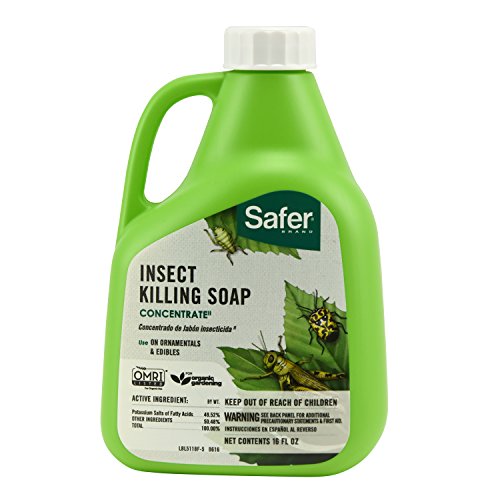
Safer’s Insect Killing Soap Concentrate is designed to kill a broad array of soft-bodied pests while remaining gentle on many plants. It is versatile for flowers, vegetables, herbs, and houseplants, making it a practical choice for mixed gardens. The concentrate is practical for ongoing control—apply at the first signs of damage and again every 5-7 days while insects persist. The product is suitable for organic gardening and can be used up to the day of harvest. It’s a solid option for gardeners who prefer a spray that can be customized to fit their area and pest pressure.
Bonide Insecticidal Soap, 32 oz Ready-to-Use
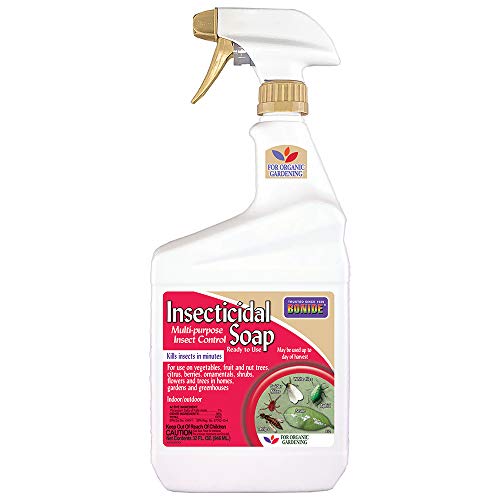
Bonide Insecticidal Soap is a ready-to-use spray designed for outdoor residential use in gardens, lawns, ornamentals, and greenhouses. It covers a broad spectrum of pests, including adelgids, aphids, caterpillars, mites, thrips, and more. It works by direct contact and ingestion, meaning pests die when sprayed or when they feed on treated surfaces. This product is versatile for a range of plants and crops—fruits, vegetables, herbs, and ornamentals—making it a practical staple for seasonal pest management in home landscapes.
Bonide Captain Jack’s Insecticidal Super Soap

Bonide Captain Jack’s Insecticidal Super Soap is a versatile, outdoor-focused formula that protects home gardens, lawns, ornamentals, and greenhouses. It controls a wide range of pests, including adelgids, aphids, caterpillars, mites, and weevils. The product kills through direct contact and ingestion, offering two pathways to pest death. It is suitable for artichokes, berries, herbs, and fruit trees, making it a good fit for diverse backyard plantings. Regular application helps reduce pest populations while avoiding residue issues on edible crops when used as directed.
Note: The Bonide and Trifecta products emphasize outdoor applications, while Garden Safe, Safer, and Natria offer easy-to-use options for both indoor and outdoor settings. Each option supports organic gardening with varying degrees of concentration and coverage, so select based on your pest pressure, crop type, and preferred application method.
Buying Guide: Key Purchase Considerations And Comparisons
When selecting an insecticidal soap, consider pest targets, crop type, and application practicality. Ready-to-use formulas are convenient for quick responses, while concentrates offer cost savings and longer-term supply for frequent treatments. Pests commonly controlled by these products include aphids, mealybugs, whiteflies, spider mites, thrips, and scale. For edible crops, confirm harvest intervals and any labeling that permits spraying on vegetables or fruit trees.
Application considerations include spray coverage, undersides of leaves, and the need for direct pest contact. Some formulas act by contact only, while others can also affect feeding insect stages. Organic certification matters for those growing with organic methods; check OMRI listings or equivalent certifications where relevant. Compatibility with beneficial insects, pollinators, and integrated pest management strategies should guide frequency and timing of applications.
Format choices influence convenience. Ready-to-use products reduce prep time and are ideal for home use, while concentrates suit larger gardens or frequent treatments. If you manage a greenhouse or a vegetable patch, select products with low residue on edible crops and compatibility with you harvest schedule. Some products are labeled for indoor, outdoor, and greenhouse use, while others target outdoor environments primarily.
Visible symptoms and pest life cycles should shape your plan. For example, early-season sprays can prevent populations from building, while repeated applications every 5-7 days can suppress outbreaks. Rotating products or combining with cultural controls, such as quarantine of infested plants and removal of heavily infested leaves, enhances overall pest management and reduces the risk of resistance.
Safety and storage are also important. Store concentrates in a cool, dry place and follow safety directions on the label. Wear protective gear if required by the product instructions, and keep all products out of reach of children and pets. Finally, examine product labels for any restrictions on use with certain plant species or during flowering periods, and adhere to any local regulations regarding pesticide use in your area.