Hydrangeas thrive when soil pH and nutrients are balanced to support their vibrant blooms. This guide reviews five top plant foods, all suitable for acid-loving hydrangeas, azaleas, and similar shrubs. Each product is evaluated for how quickly it feeds, whether it supports root and leaf uptake, and how easy it is to apply. Use the buying guide at the end to tailor your choice to your soil and climate.
| Product | Key Benefit | Best For |
|---|---|---|
| Scotts Miracle-Gro Miracid | Quick, dual-action feeding for acid-loving plants | Hydrangeas needing immediate nutrition |
| TPS NUTRIENTS Hydrangea Fertilizer | Complete liquid formula for vibrant growth | Easy care with follow-along instructions |
| GARDENWISE Slow Release Hydrangea Fertilizer | Balanced 8-4-8 with iron & sulfur | Year-round blooms and soil acidity |
| Espoma Holly-Tone | Organic, long-lasting nutrient release | All acid-loving plants with a natural approach |
| Miracle-Gro Bloom Booster | Boosts blooms for more color | Flower-focused hydrangea displays |
Note: The selections above emphasize acid-loving hydrangea care, soil acidity management, and easy-to-use formats for American gardens. All five products are suitable for in-ground planting and container setups, depending on your preference.
Scotts Miracle-Gro Miracid For Acid-Loving Plants
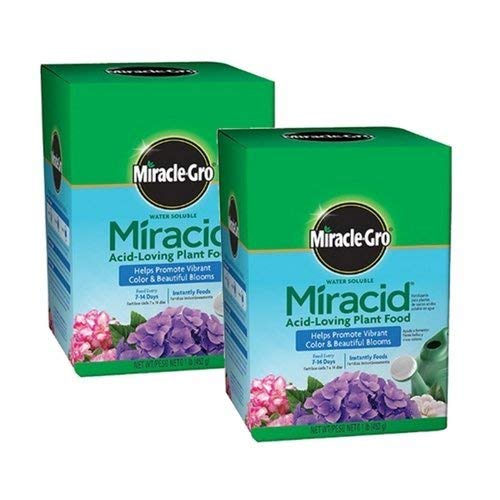
Miracle-Gro Miracid is a water-soluble fertilizer designed for acid-loving plants, including hydrangeas. It feeds through both the roots and the leaves, providing quick nutrition that helps existing blossoms develop fuller color and healthier foliage. The product is marketed as instantly feeding azaleas, hydrangeas, and rhododendrons, making it a practical choice for mid-season boost or early-season establishment.
TPS NUTRIENTS Hydrangea Fertilizer For Acid Loving Plants

This liquid plant food offers a complete fertilizer tailored for acid-loving hydrangeas. It supports lush growth and beautiful blooms with straightforward care instructions. The liquid format makes it simple to schedule regular feedings during active growth, helping hydrangeas reach their color potential without complex soil amendments.
GARDENWISE Slow Release Hydrangea Fertilizer

GardenWise offers a slow-release formula tailored for acid-loving plants, with iron and sulfur to help maintain soil acidity. The 8-4-8 nutrient split provides balanced growth and superb blooms throughout the season. Its simple application requires only sprinkling and watering, making it accessible for gardeners of all levels.
Espoma Organic Holly-Tone 4-3-4

Espoma Holly-Tone is an all-organic, slow-release option designed for acid-loving plants. The natural organic blend breaks down gradually to provide a steady nutrient reservoir, helping hydrangeas thrive in acidic soils. It’s suitable for azaleas, hydrangeas, and rhododendrons, with added sulfur to support soil acidity and flowering vigor.
Miracle-Gro Bloom Booster Flower Food

Bloom Booster is focused on enhancing flowering, making it a good pick when hydrangeas are in peak bloom or if you want to maximize color and size of blooms. The product is designed for use in-ground and container plants, including hydrangeas, azaleas, and other ornamentals. Regular reapplication can help maintain stronger flowering cycles throughout the growing season.
Buying Guide
When choosing a plant food for hydrangeas, consider these factors to align with soil, climate, and garden goals:
- Soil pH and acidity: Hydrangeas prefer acidic soil for blue-toned blooms. Look for products that include iron or sulfur to help maintain soil acidity alongside nitrogen, phosphorus, and potassium balance.
- Feeding method: Liquid formulas offer quick uptake and are ideal for rapid response, while granular and slow-release options provide steady nutrients over weeks or months. Choose based on how you prefer to apply feedings.
- Bloom goals: If your priority is color intensity and abundant blooms, Bloom Booster-type formulas can help, but avoid excessive feeding that can lead to lush foliage at the expense of blooms.
- Organic vs synthetic: Organic options (like Holly-Tone) reduce chemical input but may release nutrients more slowly. Synthetic formulas often deliver quicker results, which can be helpful for addressing nutrient gaps rapidly.
- Application ease: For beginners, ready-to-use liquids or pre-measured granules with clear instructions simplify fertilization schedules.
- Seasonal timing: Start feeding in spring as new growth appears, and adjust frequency based on product type (weekly, monthly, or per label).
- Container vs in-ground: Container hydrangeas may require more frequent feedings and careful monitoring of soil moisture, while in-ground plants may benefit from longer-lasting formulations.
Across these options, consider combining a fast-acting feed for immediate color with a slow-release fertilizer to sustain bloom production. Always follow label directions for application rates and avoid over-fertilizing, which can damage roots or reduce bloom quality. For most American gardens, starting with a mid-season feed and supplementing with a bloom-focused formula during peak blooming can yield strong, colorful hydrangeas.