Mushrooms popping up in the lawn can indicate excess moisture or that fungi are active below the surface. Selecting a broad-spectrum fungicide designed for turf can help prevent mushroom development and curb related lawn diseases. This article reviews five top-rated products commonly used in American lawns, highlighting how they protect turf, their active features, and practical application tips for seasonal use. Each product is evaluated for efficacy, coverage, ease of use, and safety for typical home lawns.
| Product | Brand | Coverage | Key Benefit |
|---|---|---|---|
| Scotts DiseaseEx Lawn Fungicide, 10 lb | Scotts | Up to 5,000 sq. ft. | Fast-acting prevention and control of 26 lawn diseases |
| Scotts DiseaseEx Lawn Fungicide, 3-Pack, 10 lb | Scotts | Up to 5,000 sq. ft. per package | Broad protection with repeat treatment options |
| Organic Fungicide Liquid Concentrate | ARBER | Varies by dilution, suitable for lawns | Organic, plant-safe protection including mushrooms |
| Bonide Infuse Systemic Disease Control, 32 oz | Bonide | Areas labeled for turf and ornamentals | Systemic broad-spectrum disease control |
| Atticus Artavia 2 SC Azoxystrobin, 16 oz | Atticus | Label guidance applies to lawns and landscapes | Root-to-leaf protection with broad-spectrum activity |
The following sections summarize five products most relevant to keeping mushrooms and other lawn fungi in check. Each entry includes a concise product heading with a direct Amazon link, an image, and a concise feature-based overview to help you compare at a glance.
Scotts DiseaseEx Lawn Fungicide: Quick Protection For Lawns
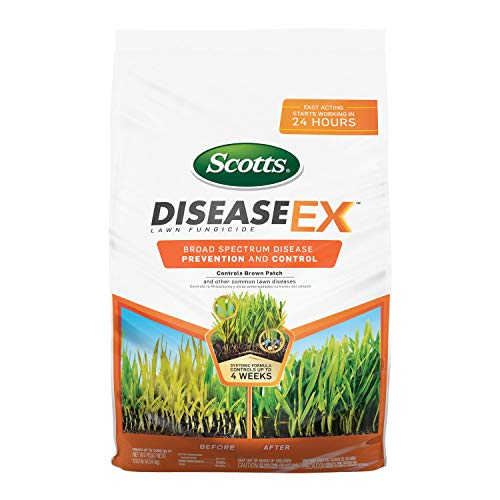
This Scotts DiseaseEx fungicide is designed to prevent disease before it appears and control symptoms at the first sign. It claims coverage of 26 lawn diseases, including brown patch, rust variants, red thread, powdery mildew, necrotic ring spot, and pink patch. The formula is described as starting to work within 24 hours, with disease control lasting up to four weeks. Designed for home lawns, it covers up to 5,000 square feet per treatment, which is suitable for medium to large yards. The product is appropriate for preventive use and can be reapplied as needed to maintain protection during peak fungal seasons.
Key features include fast onset, broad disease coverage, and a clear four-week protection window. Users should follow label directions for timing, dosage, and safe use around pets and children. For lawns susceptible to mushroom-related fungi, regular applications during damp periods can help suppress fungal activity and reduce mushroom formation as part of an integrated lawn care plan.
Scotts DiseaseEx Lawn Fungicide, 3-Pack: Extended Coverage

This option provides fast-acting disease prevention and control across 26 common lawn diseases, with a focus on proactive protection and curative action when diseases emerge. The 3-pack format offers flexibility for larger properties or multi-season use. It supports preventive applications to stop brown spots, rings, and other signs of fungal stress before they become visible changes in turf quality. The product’s label emphasizes rapid onset—within a day—paired with up to four weeks of continued protection after application.
Users should measure their lawn area accurately to maximize coverage per package and consider staggered application during humid periods or after heavy rainfall when mushrooms are more likely to appear. This product is well-suited for homeowners seeking reliable, broad-spectrum fungicidal protection without specialized equipment beyond standard spreaders or sprayers.
Organic Fungicide Liquid Concentrate for Lawn Mushrooms

ARBER’s Organic Fungicide Liquid Concentrate targets both indoor and outdoor plants, including lawn fungus control. Marketed as certified organic, it aims to protect against powdery mildew and root rot while promoting healthier soils. It also highlights effectiveness against lawn rust and mushrooms, offering a natural path to treat fungal issues with reduced synthetic inputs. The product emphasizes soil health, plant resilience, and long-lasting protection from diseases and stresses, making it appealing to those seeking organic lawn care options.
For mushroom control specifically, this option supports suppression of fungal growth with organic chemistry, which may be preferred by households with sensitivities or pets. Applications should follow label directions for dilution rates and safe mixing with water, and it may be best used as part of an integrated approach that includes proper drainage, mowing height adjustments, and aeration where needed.
Bonide Infuse Systemic Disease Control: Systemic Turf Defender
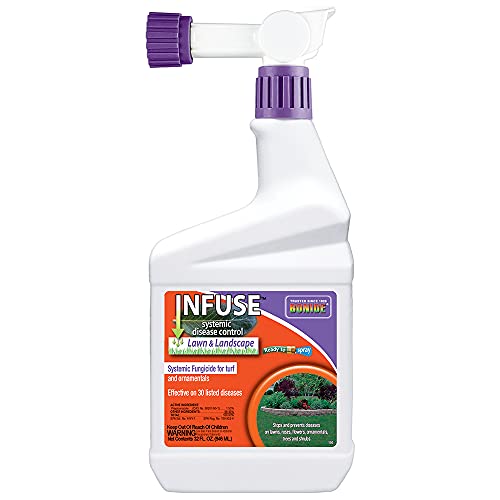
Bonide Infuse Systemic Disease Control provides broad-spectrum, systemic disease control for turf and ornamentals. The ready-to-spray 32-ounce solution is designed to protect lawns, roses, trees, shrubs, and other landscape plants. It targets rust, blight, powdery mildew, leaf spots, and more, leveraging systemic transport within the plant to combat fungal pathogens from roots to leaves. This product is suitable for homeowners who want a single, versatile solution that spans multiple landscape elements, including lawn fungal issues that produce mushrooms as a secondary symptom of disease stress.
When treating lawns, follow label directions for correct dilution, application timing, and safety precautions. While systemic products can offer robust protection, it’s important to consider environmental conditions, rainfall, and irrigation to ensure uptake and avoid runoff. This product can be integrated into a broader lawn care regimen that emphasizes core lawn health practices such as proper mowing, aeration, and adequate drainage.
Atticus Artavia 2 SC Azoxystrobin: Powerful Fungus Control

Atticus Artavia 2 SC uses azoxystrobin, a common fungicidal active ingredient. The product delivers root-to-leaf protection and is designed to control a wide range of turf and ornamental fungi, including anthracnose, brown patch, leaf spot, and rhizoctonia. The label highlights systemic movement within the plant, offering comprehensive protection as the fungus attempts to spread through vascular tissue. This makes Artavia a strong option for lawns dealing with persistent pathogens that manifest in mushrooms or other turf symptoms.
As with any fungicide, users should apply Artavia according to label directions and consider compatibility with other lawn products. Because azoxystrobin moves inside the plant, it may provide more lasting protection after application, though timing relative to irrigation and mowing remains a key consideration for maximizing effectiveness.
Buying Guide: Key Purchase Considerations And Comparisons
When shopping for a lawn fungicide to address mushrooms and other fungal issues, consider the following factors to choose the best product for your yard:
- Active ingredient and spectrum: Broad-spectrum products cover a wide range of diseases, including those that cause mushrooms. Systemic formulations provide internal protection, while contact products work on the surface.
- Coverage area and application frequency: Larger lawns benefit from multi-pack options or products rated for higher square-footage. Note how long protection lasts—some products offer up to four weeks, others may require more frequent applications after rainfall.
- Prevention vs. cure: Some products are primarily preventive, while others are effective for curative treatment once symptoms appear. A combination approach can work well for mushrooms that reappear seasonally.
- Organic options: If you prefer organic or low-toxicity inputs, organic fungicides may be suitable, though they may have different efficacy profiles and application requirements.
- Compatibility with lawn care practices: Consider compatibility with mowing, fertilization, aeration, and overseeding. Some products are better suited to integrated lawn care plans.
- Safety and pet access: Check label directions for waiting periods before pets and children can re-enter treated areas, especially for systemic products.
For mushrooms, an integrated approach often yields the best results: apply a broad-spectrum fungicide per label directions, improve drainage to reduce soil moisture, and maintain proper mowing height to reduce fungal hotspots. Rotating among different product classes can also help prevent pathogen resistance, especially in areas with persistent fungal pressure.