Choosing a full spectrum grow light can boost indoor plant health by simulating natural sunlight. The five selected lamps cover a range of setups—from compact clip lamps to adjustable tripod stands—so you can compare spectrum, power, timers, and adjustability. This guide highlights what each product offers and how it fits different growing scenarios, helping you pick a solution that supports photosynthesis, bloom cycles, and year‑round growth.
| Product | Brand |
|---|---|
| GooingTop LED Grow Light | GooingTop |
| LBW Latest Grow Light | LBW |
| LEOTER Grow Light | LEOTER |
| yadoker LED Growing Light | yadoker |
| yentbokj Grow Lights | yentbokj |
GooingTop LED Grow Light: Clip-On Style with 6000K White Light
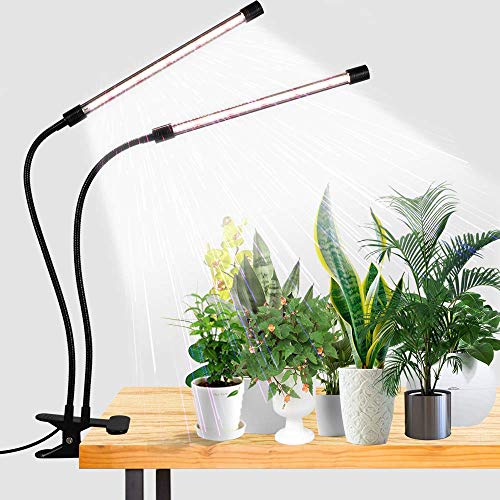
The GooingTop lamp uses 6000K white light combined with 10 red and 74 white LEDs to resemble noon sunlight for indoor plants. It offers a high color rendering index around 95, producing soft, flicker‑free illumination suitable for routine plant care and reading. A 3‑level timer is available (4, 8, 12 hours) within a 24‑hour cycle, automating light exposure. The design includes a flexible gooseneck and a clamp for easy positioning and space efficiency. It can be powered via USB or a standard AC plug, making it versatile for desks or small grow areas.
Why it matters: A stable, full spectrum with bright, steady output supports germination and vegetative growth. The compact form is ideal for windowsills, desktops, or tight grow spaces, where adjustable angles help direct light precisely where plants need it most.
LBW Latest Grow Light: Dual-Head Full Spectrum with Tall Stand

LBW’s 428‑LED dual‑head configuration delivers a broad, high‑intensity full spectrum, mimicking natural sunlight to support photosynthesis across plant life stages. The lamp features a 75″ adjustable tripod stand for elevated positioning and wide coverage. It includes a 3/6/12‑hour timer and six dimming levels, enabling tailored lighting for seedlings, vegetative growth, and flowering. The design emphasizes heat management with a back plate featuring heat dissipation paths to reduce overheating during extended use.
Why it matters: A taller, adjustable frame allows you to light multiple plants without crowding, while programmable timers and dimming help optimize energy use and plant responses over time.
LEOTER Grow Light: 80 LEDs with Flexible Modes and Timers
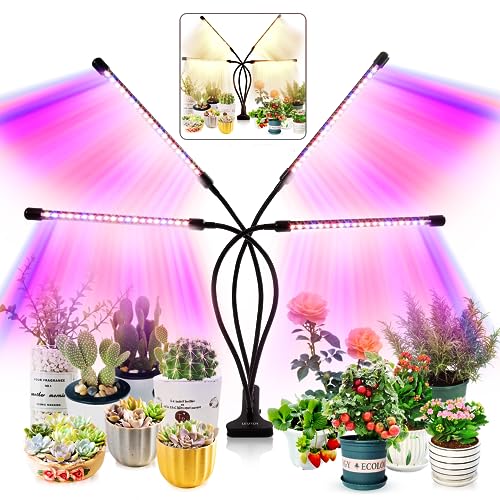
The LEOTER unit combines 80 LEDs across red, blue, and full spectrum channels to support all growth stages. It provides three spectral modes—full spectrum, red/blue emphasis, and a mix—targeting root formation, vegetative growth, and flowering. A circular memory timer cycles every 24 hours with 3/9/12‑hour options, which reduces manual supervision. Ten dimmable levels offer precise brightness control. The unit’s compact form makes it suitable for small planters or desk setups where space is a constraint.
Why it matters: Flexible spectral options enable experimentation with light recipes for different plant species, while the timer reduces maintenance for busy or travel days.
yadoker Grow Light: Height‑Adjustable Full Spectrum Lamp

The yadoker light uses 72 LEDs to deliver full spectrum (380–800 nm) with a mixed white, warm white, red, and blue mix. A tall, height‑adjustable pole (up to 61.1 inches) lets you extend coverage as plants grow, supporting larger pots and closer light proximity without crowding. Ten brightness levels (10%–100%) allow sensitive tuning as a plant progresses from seedling to maturity. The setup is designed for flexibility in domestic spaces where plant arrangements vary in height and density.
Why it matters: Growing taller plants or clusters of plants benefits from adjustable height and broad coverage, ensuring uniform light distribution and minimizing leggy growth.
Aokrean Plant Grow Light: 48 LEDs with Three Spectrums

The Aokrean halo light provides three lighting modes and 10 brightness levels, combining white, warm white, and red light for a spectrum that supports germination, growth, and flowering. It is a compact, stand‑in light that can be inserted into the soil or placed on a stand for flexible positioning. A built‑in timer supports 3/9/12‑hour cycles, automatically turning the light on and off to suit busy schedules. Note that the stand requires plants to press down for stability in some configurations.
Why it matters: A versatile spectrum and multi‑mode timer can accommodate different plant species and growth stages while offering easy setup in small or improvised spaces.
Buying Guide: Key Considerations for Full Spectrum Plant Lights
- Spectrum and PPFD: Look for lights labeled full spectrum (roughly 380–800 nm) with measured PPFD values suitable for the plant type and growth stage. Red and blue peaks support flowering and vegetative growth, while white light helps human visibility during care tasks.
- Intensity and coverage: For compact setups, clip lights or compact stands are ideal. Larger setups benefit from dual heads, high‑output panels, or tall tripods that can illuminate multiple plants without crowding.
- Timer and dimming options: Automatic timers (3/6/12 hours or 24‑hour cycles) reduce maintenance. Dimmable LEDs let you tailor brightness to seedling sensitivity and growth stages, saving energy and preventing light stress.
- Adjustability and mounting: Flexible goosenecks, adjustable stands, or tripods enable precise light direction. Ensure mounting hardware fits your space—desktops, shelves, or floor setups.
- Heat management: LEDs generate less heat than HID lamps, but high output still requires some cooling. Look for back plates or heat sinks to reduce overheating and extend lifespan.
- Power options and safety: USB‑powered lights offer USB‑C or standard adapters for desks, while AC‑powered units suit anchored setups. Verify voltage compatibility and ensure safe mounting near plants and children.
- Maintenance and durability: Consider build quality, ease of assembly, and replaceable components. Durable clips, stands, and water‑resistant housings help in humid grow areas.
Across these options, your selection should align with plant type (seedling, vegetative, or flowering), space constraints, and how hands‑free you want the lighting to be. For classrooms or offices with multiple plant species, dual‑head or tripod designs provide the most flexibility. For small herbs or succulents, clip lights with a precise balance of spectrum and timer can be sufficient. When in doubt, start with a unit offering both full spectrum and red/blue modes, plus a programmable timer to automate routine care.