Choosing the right fertilizer helps wisteria vines develop lush foliage, vigorous climbing growth, and abundant blossoms. This guide highlights five highly regarded options from well-known brands, focusing on formulations tailored to wisteria and other flowering vines. The selections cover liquid and granular formats, lightweight and heavy-duty applications, and slow-release options for maintenance between feeds. Each product section below provides a concise overview, key features, and practical considerations for American gardens and climates.
| Product | Type | Size | Form |
|---|---|---|---|
| TPS Plant Foods Wisteria Liquid Fertilizer (32 oz) | Liquid | 32 oz | Liquid |
| TPS Plant Foods Wisteria Liquid Fertilizer (8 oz) | Liquid | 8 oz | Liquid |
| Nelson Plant Food For All Flowering Vines (2 lb) | Granular | 2 lb | Granular |
| Nelson Plant Food For All Flowering Vines (4 lb) | Granular | 4 lb | Granular |
| TreeHelp Premium Fertilizer For Wisteria | Granular | ~3 lb | Granular |
The table above highlights options suited for wisteria vines, with a mix of liquid and granular formulas. Consider your watering routine, application ease, and the bloom cycle when choosing a product for your garden.
TPS Wisteria Liquid Fertilizer 32 oz

This liquid formula is specifically formulated to support flowering wisteria vines. It promotes rich foliage, strong climbing growth, and abundant blooms, while providing fast absorption through a simple liquid application. Suitable for established vines and new plantings that require quick uptake to kickstart blooming cycles.
TPS Wisteria Liquid Fertilizer 8 oz

Compact liquid formula designed for easy application and rapid absorption. The 8 oz size is convenient for smaller gardens, potted wisteria, or for targeted feeding during the growing season. Like the larger bottle, it focuses on vibrant blooms and healthy growth without complex dosing.
Nelson Plant Food For All Flowering Vines 2 lb

This granular fertilizer uses a 17-7-10 blend designed to support flowering vines like wisteria. It emphasizes extended feeding intervals and promotes vibrant blooms while maintaining overall plant health. The product’s slow-release design reduces the need for frequent applications and supports soil biology to optimize nutrient availability.
Nelson Plant Food For All Flowering Vines 4 lb

This 4 lb bag offers the same 17-7-10 formulation for long-lasting feeds. It’s suitable for larger wisteria specimens or gardens with multiple flowering vines. The slow-release design supports steady growth and blooming cycles over weeks, requiring fewer applications than quick-release options.
TreeHelp Premium Fertilizer For Wisteria
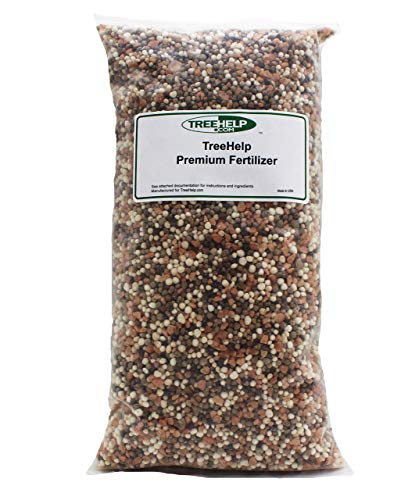
Designed specifically for wisteria, this premium fertilizer focuses on robust root development and long-term vitality. It is a granular formula that supports healthy establishment and resilient growth, contributing to stronger canes and more vigorous flowering cycles in established and younger vines alike.
Natures Wisdom 8-55-7 Water Soluble Fertilizer

This water-soluble blend is balanced for flowering trees, shrubs, and vines, including wisteria. The 8-55-7 ratio provides a higher phosphorus content to support blooms and sturdy root systems. It is versatile, suitable for foliar or soil feeding, depending on garden needs and watering practices.
Buying Guide: Key Purchase Considerations For Wisteria Fertilizers
When selecting a fertilizer for wisteria, consider nutrient ratios, application format, and how your climate affects vine growth. A balanced or slightly higher phosphorus formula often supports flowering while nitrogen fuels leafy growth; too much nitrogen can delay bloom. Liquid fertilizers typically offer rapid uptake and are ideal for established vines showing signs of nutrient deficiency. Granular, slow-release options suit busy gardeners or larger plantings, delivering steady nutrients over weeks.
- Formulation: Look for N-P-K ratios like 10-10-10 or 17-7-10 that emphasize bloom support without excessive leaf growth.
- Application method: Choose liquid formulas for quick correction and granular ones for ongoing maintenance.
- Frequency: Slow-release options may require feeding every 4–8 weeks during peak growth, with adjustments around bloom time.
- Soil health: Some products include sulfur, gypsum, or soil-friendly nutrients that can improve root habitat and pH balance for wisteria.
- Compatibility: Ensure the product is rated for use on flowering vines and is safe for containers if you grow wisteria in pots.
- Climate considerations: In colder regions, a feeding schedule aligned with dormancy and growth resumption helps prevent growth surges that can stress the plant.
Overall, select a product whose application aligns with your garden size, watering routine, and bud-break timing. Combining organic matter with a timely fertilizer can support long-term vigor and abundant blooms in wisteria vines across American landscapes.