Choosing the right raised garden bed can dramatically improve flower growth, soil drainage, and overall garden aesthetics. This guide highlights five notable options that balance durability, ease of assembly, and space efficiency, helping you grow vibrant blooms with less back strain. Each bed is designed to support healthy root development and offer practical features for ongoing maintenance.
Summary of selected products:
| Product | Type | Depth | Capacity | Material |
|---|---|---|---|---|
| Best Choice 6x3x2ft (Gray) | Metal Raised Bed | 2 ft | 269 gallons | Powder-coated steel |
| Best Choice 8x4x2ft (Galvanized) | Metal Raised Bed | 2 ft | 478 gallons | Ribbed galvanized steel |
| Best Choice 72x24x30in (Natural Wood) | Wood Raised Bed with Stand | 30 in | 300 lb capacity | Chinese fir wood |
| Best Choice 48x24x32in (Natural Mobile) | Mobile Wood Planter | 32 in | — | Wood with wheels |
| Best Choice 6x3x2ft (Beige) | Metal Raised Bed | 2 ft | 269 gallons | Powder-coated steel |
Best Choice 6x3x2ft Metal Raised Bed (Gray)
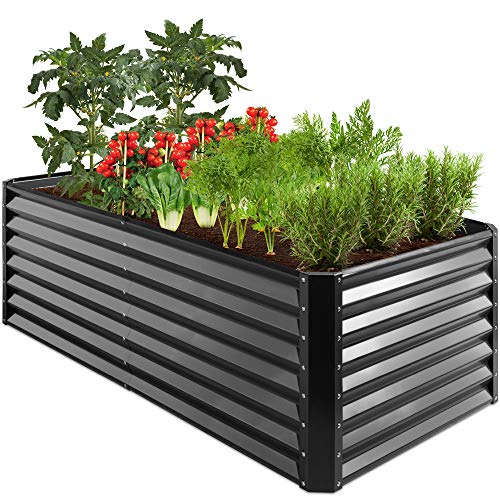
2-foot growing depth provides substantial soil volume, supporting medium to deep-rooting flowers and companion vegetables. The bed holds up to 269 gallons of soil, making it suitable for a diverse flower mix. It uses powder-coated steel panels for durability and comes with wingnuts and bolts for tool-free assembly, coupled with rubber edging to enhance safety. Note that this model does not include a bottom panel, which can improve drainage in some landscapes.
Best Choice 8x4x2ft Metal Raised Bed (Galvanized)
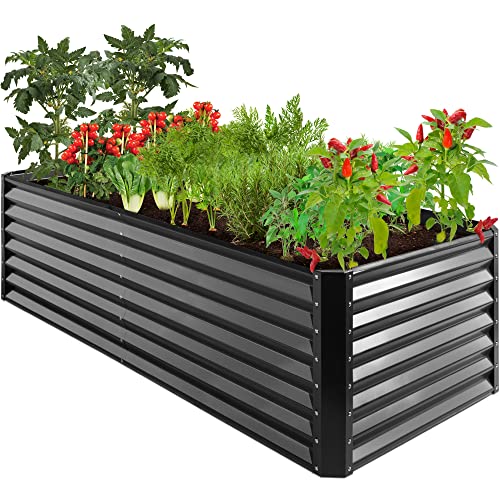
With a 24-inch depth, this bed accommodates up to 478 gallons of soil, making it ideal for deeper-rooting flowers and rich compost beds. The open base supports compost layering and enrichment, while ribbed steel sides maintain structural integrity. Tool-free assembly remains a key benefit, using wingnuts and bolts with protective rubber edging for safety during setup and maintenance.
Best Choice 72x24x30in Raised Garden Bed With Stand (Natural)
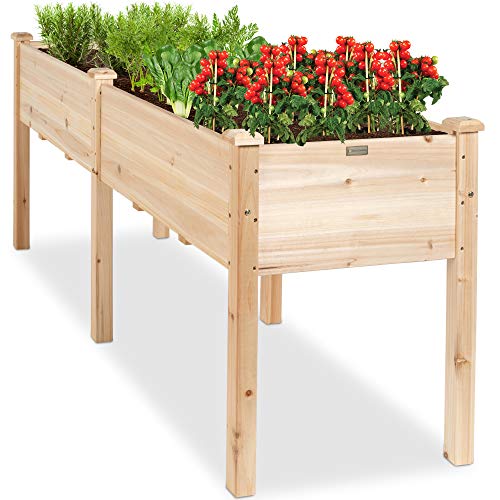
This elevated wood planter offers a generous planting area—8.4 cubic feet—that’s well-suited for a wide range of flower beds. Six drainage holes support aeration and prevent waterlogging, while the all-wood construction (Chinese fir) provides a natural, durable frame that resists warping and sagging over time. The stand elevation reduces bending and promotes comfortable gardening posture.
Best Choice 48x24x32in Mobile Wood Planter (Natural)
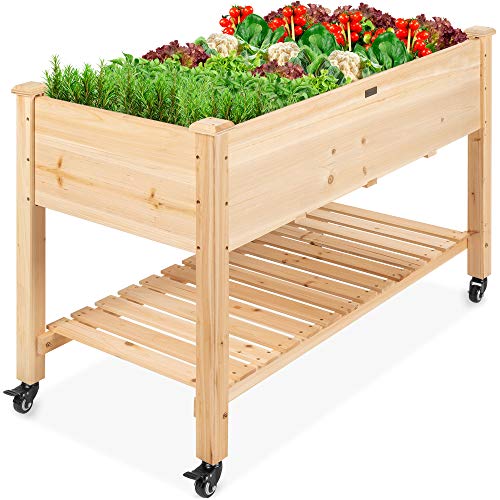
Equipped with locking wheels, this mobile elevated bed enables easy repositioning for sun exposure and shade management. Standing 32 inches tall, it reduces the need to bend and strain. A protective liner separates soil from wood, helping prevent moisture-related deterioration and weed intrusion while preserving planter longevity. This option suits small- to mid-size flower displays with mobility needs.
Best Choice 8x4x2ft Metal Raised Bed (Galvanized)

This galvanized option mirrors the 8×4 model in depth but uses galvanization for corrosion resistance and structural durability. It supports a broad collection of flowering varieties and herbs, with the same open-base design that facilitates compost layering for improved soil health. The tool-free assembly remains straightforward with wingnuts, bolts, and rubber-edged safety features.
Best Choice 6x3x2ft Raised Bed (Beige)

This beige powder-coated steel bed shares a 2-foot growing depth and a 269-gallon soil capacity. It emphasizes safe, tool-free assembly and a durable frame suited for flower beds, cucumbers, strawberries, and other seasonal crops. The low-profile color can blend into many garden aesthetics while offering robust performance.
Buying Guide
Key considerations when selecting a raised bed for flowers include depth, material, drainage, and mobility. Deeper beds (about 24 inches) support a wider range of flowering perennials and annuals with deeper root systems, while shallower beds are suitable for shallow-root varieties and ornamental arrangements.
- Material durability: Powder-coated steel resists rust and wear, while wood (especially Chinese fir) offers a natural look but may require maintenance. Galvanized steel provides corrosion resistance for long-term use in humid climates.
- Drainage and soil health: Beds with bottom panels removed or open bases improve drainage and allow compost and amendments to mix with existing soil, enhancing fertility.
- Stability and assembly: Tool-free or simple bolt-and-wingnut designs reduce setup time. Consider rubber edging for safety and to minimize injury or snagging clothing.
- Elevation and accessibility: Raised stands reduce bending, making gardening easier for taller growers or those with back concerns. Wheel-enabled beds add mobility for sun-shade adjustments or seasonal repositioning.
- Size and layout: Plan the bed footprint against available space, considering walkways, maintenance access, and neighboring plantings to prevent overcrowding.
For flowers, prioritize beds with good drainage, stable framing, and a depth that accommodates your preferred perennials and annuals. If you plan to layer compost and organic soil amendments, open-base designs can offer the best long-term soil health. Be mindful of maintenance needs tied to wood versus metal constructions, including sealing and rust prevention.